Convert
South African Rand (ZAR) to THORChain (RUNE) Instantly
Purchase THORChain (RUNE) with South African Rand (ZAR) easily at Switchere and benefit from fast, secure transactions.
About
THORChain (RUNE)
THORChain (RUNE) is a decentralized liquidity protocol built to facilitate cross-chain swaps of native digital assets in a permissionless, non-custodial manner. Operating as an independent Layer-1 blockchain using the Cosmos SDK and Tendermint consensus mechanism, it enables users to exchange cryptocurrencies like native Bitcoin for native Ethereum without relying on wrapped tokens or centralized intermediaries. This is a crucial piece of Web3 infrastructure designed to solve the problem of fragmented liquidity across disparate blockchain ecosystems. The network's architecture is centered around Continuous Liquidity Pools (CLPs), where liquidity providers deposit assets alongside the native utility token, RUNE.
The RUNE token is integral to the protocol's tokenomics and security. It serves four key functions: acting as the base pairing asset in all liquidity pools, providing the economic bond for node operators to ensure network security (a form of Sybil resistance), functioning as the settlement currency for all swaps, and being used for on-chain governance. This design creates a deterministic value for RUNE based on the total liquidity locked in the network. By connecting chains through its Bifrost Protocol, THORChain stands as a fundamental pillar for seamless interoperability and native asset settlement within the broader DeFi applications landscape.
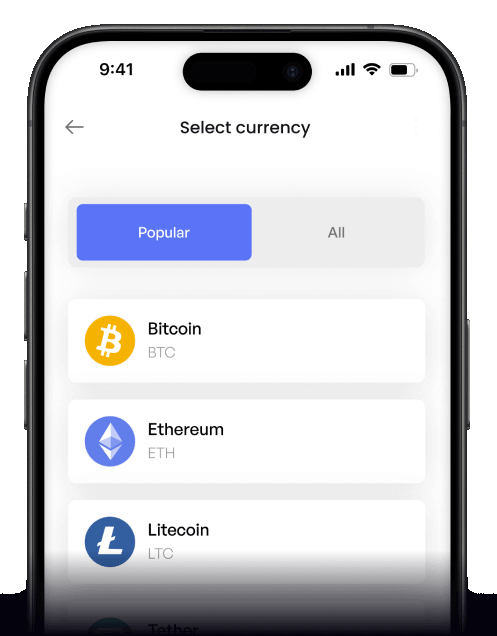
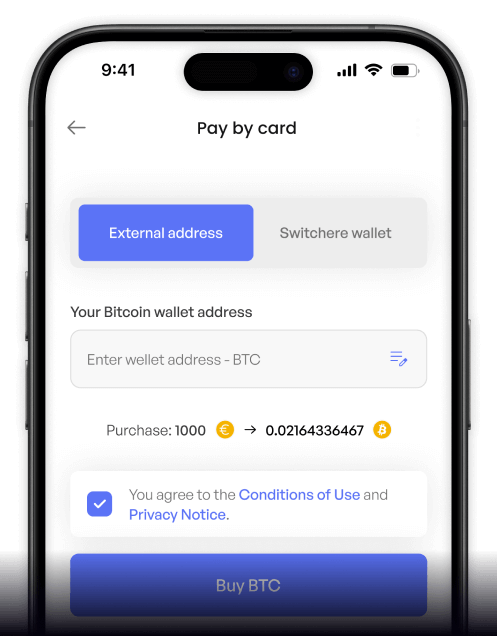
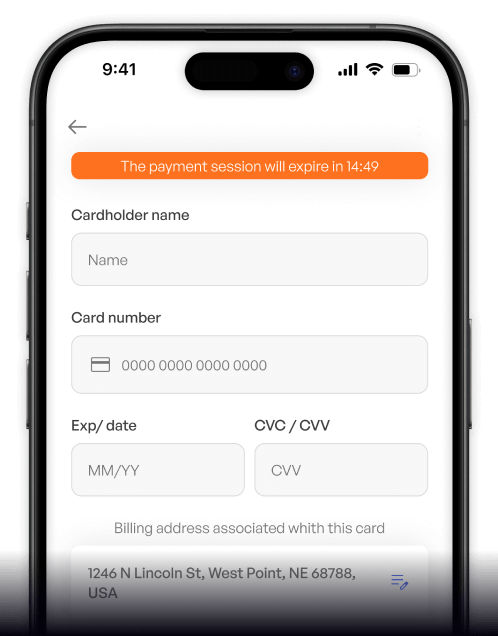
How to Buy THORChain (RUNE)
Popular Coins for South African Rand (ZAR)
Other Coins for South African Rand (ZAR)
Frequently asked questions
-
What's the most common process for buying THORChain (RUNE) with South African Rand (ZAR)?
Typically, you would use a regulated South African cryptocurrency exchange as a fiat on-ramp. First, you deposit ZAR via methods like an EFT payment and complete any required FICA compliance. Then, you purchase a major digital asset like Bitcoin (BTC) or Ethereum (ETH) on the exchange. Finally, you transfer that asset to a non-custodial digital wallet that supports THORChain and use its decentralized exchange (DEX) functionality to execute a native asset swap for RUNE. -
Why is accessing the RUNE token important for ZAR-based investors?
Accessing RUNE with ZAR provides a gateway to THORChain's unique cross-chain liquidity protocol. This allows investors to swap native assets between different blockchains (e.g., native BTC for native ETH) without relying on wrapped tokens or centralized intermediaries. For a ZAR-based investor, this opens up decentralized trading opportunities across the entire digital asset ecosystem directly from their initial fiat investment. -
What are Continuous Liquidity Pools (CLPs) in THORChain and how do they affect a ZAR to RUNE trade?
Continuous Liquidity Pools (CLPs) are the core mechanism of THORChain's DEX. Instead of direct ZAR/RUNE trading, all swaps on the network route through RUNE. For instance, if you swap BTC for ETH, the transaction is actually BTC to RUNE, then RUNE to ETH. This model ensures constant liquidity. As a ZAR investor, after your initial fiat on-ramp, any asset you swap for RUNE or other assets will utilize these CLPs, with the RUNE token acting as the pivotal settlement asset. -
What should I consider regarding fees and regulations when converting ZAR to RUNE?
When converting ZAR to RUNE, consider two stages of fees: first, the deposit and trading fees on the South African centralized exchange used for the initial fiat on-ramp. Second, THORChain's network-specific fees, which are dynamic and dependent on network demand and the depth of the liquidity pools. On the regulatory side, be mindful of South Africa's FICA compliance (KYC/AML) on the exchange and any applicable exchange control regulations for moving capital offshore. -
How does the Bifröst Protocol enhance the security of my assets when I swap for RUNE?
The Bifröst Protocol is a key security component of THORChain that manages the network's vaults (Asgard vaults). When you perform a swap, your assets are handled by this decentralized protocol, which requires a supermajority of node operators to sign transactions. This multi-signature system significantly reduces the risk of theft or single points of failure, providing a higher level of security for your digital assets compared to relying on a single centralized entity after your initial ZAR purchase.