Convert
ZAR to USDT Instantly
South African Rand to Tether (SPL) at the real-time exchange rate


Purchase USDT (SPL) with South African Rand (ZAR) easily at Switchere and benefit from fast, secure transactions.
About
USDT (SPL)
Navigating the exchange rate between the South African Rand and Tether on the Solana network requires a reliable ZAR to USDT converter. This fiat on-ramp bridges traditional South African finance with high-speed decentralized ecosystems. The USDT to ZAR rate fluctuates based on local currency strength, global forex markets, and the liquidity of stablecoins across regional exchanges. Since USDT is pegged to the US Dollar, South African residents often buy USDT with ZAR to hedge against local currency volatility and access digital asset markets.
Converting ZAR involves specific regional payment methods, predominantly Electronic Funds Transfer (EFT) via local banks, or standard debit and credit card payments. Compliance with local regulatory frameworks, including FICA for KYC and AML verification, is a standard prerequisite when accessing these fiat gateways.
Receiving this specific asset requires a compatible Solana (SPL) wallet address. Unlike other token standards, Tether minted on the Solana blockchain boasts near-instantaneous transaction confirmation times and extremely low network fees. When evaluating the final conversion output, factor in the fiat processing times of South African banks alongside the highly efficient execution of the Solana ecosystem.

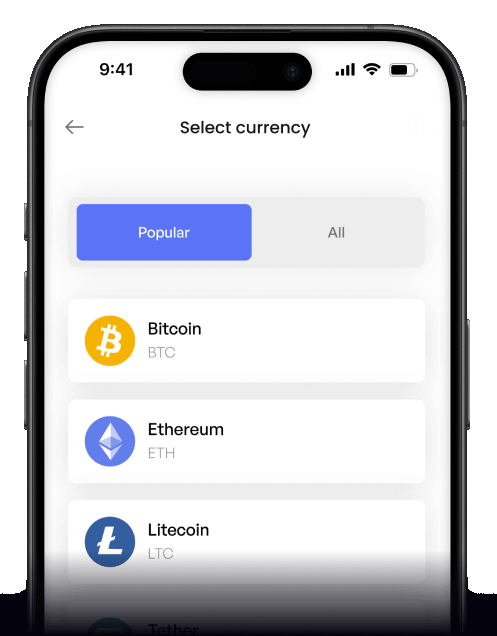
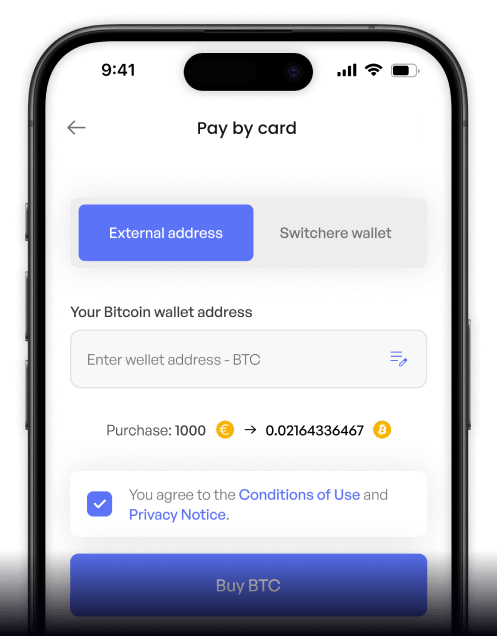
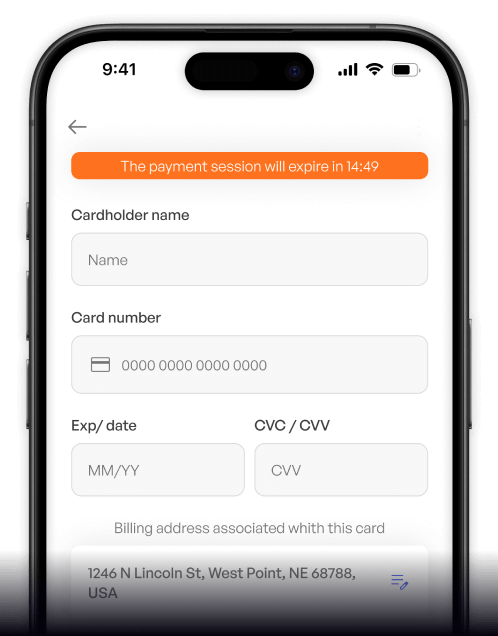
How to Buy USDT (SPL)
 Step-by-step guidance
 Easy credit card payments
 Streamlined purchase process
 Web
Popular Coins for South African Rand (ZAR)


Other Coins for South African Rand (ZAR)


Frequently asked questions
-
Why should I choose the ZAR to USDT (SPL) trading pair for digital asset purchases?
Trading South African Rand (ZAR) for Tether on the Solana network (USDT SPL) offers distinct technical advantages. As a fiat on-ramp, this pair allows South African users to directly access a highly liquid stablecoin pegged to the US Dollar. Leveraging the Solana blockchain's Proof of History (PoH) consensus mechanism, SPL USDT transactions boast high throughput, exceptionally low latency, and micro-transaction capabilities, drastically reducing the transaction fees compared to Ethereum-based ERC-20 stablecoins. -
What are the most common payment methods to fund a ZAR to USDT (SPL) transaction?
For users utilizing a South African fiat gateway, the most prevalent methods to acquire USDT (SPL) with ZAR include local Electronic Funds Transfer (EFT), instant EFT services supported by South African banks, and credit/debit card purchases. When selecting a cryptocurrency exchange, ensure it natively supports the SPL token standard to guarantee seamless withdrawal to your non-custodial digital wallet without incurring cross-chain bridging complications. -
Which digital wallets are required to securely store USDT (SPL) after purchasing with ZAR?
To securely store Tether issued on the Solana network, you must use an SPL-compatible digital wallet, such as Phantom, Solflare, or a hardware wallet like Ledger configured for the Solana ecosystem. Unlike EVM-compatible wallets (like MetaMask for ERC-20 tokens), these specific wallets are engineered to interact directly with Solana's architecture, allowing you to manage your stablecoin balances and interact with decentralized applications (dApps) within the Solana DeFi ecosystem. -
What fee structures and transaction times should I expect when converting ZAR to Solana-based USDT?
The conversion process involves two fee layers: the fiat on-ramp fee (exchange trading fees or ZAR deposit fees via local bank transfer) and the blockchain network fee. While exchange fees vary based on order book liquidity and the platform's pricing model, the on-chain network fee for moving USDT (SPL) is famously nominal, typically costing fractions of a cent. Furthermore, Solana's block time of roughly 400 milliseconds ensures near-instant settlement for the cryptocurrency transaction phase. -
Are KYC/AML compliance checks mandatory for ZAR to USDT (SPL) fiat-to-crypto exchanges?
Yes, utilizing a regulated cryptocurrency exchange to convert South African Rand (ZAR) into digital assets requires strict adherence to Know Your Customer (KYC) and Anti-Money Laundering (AML) regulations. This is standard procedure for centralized fiat gateways to prevent illicit financial activities. You will typically need to provide government-issued identification and proof of address before being granted access to deposit ZAR via EFT and execute trades for USDT (SPL).

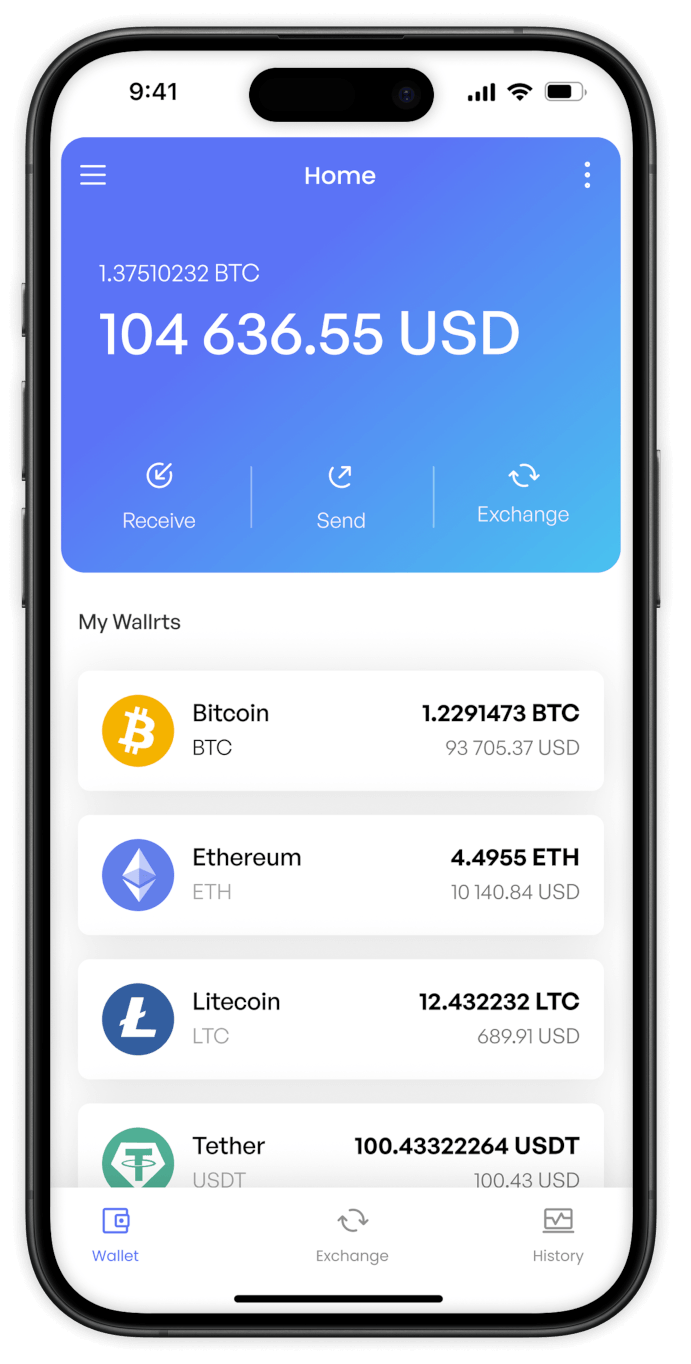
Buy on the go
Anywhere. Anytime.
Buy crypto with your credit card from anywhere. Live rates, transparent fees, and 3D Secure on every order - the full Switchere card-buy experience in your pocket.



Scan to download the app iOS and Android