


Convert
South African Rand (ZAR) to Ethereum Name Service (ENS) Instantly


Purchase Ethereum Name Service (ENS) with South African Rand (ZAR) easily at Switchere and benefit from fast, secure transactions.
About
Ethereum Name Service (ENS)
Ethereum Name Service (ENS) is a decentralized naming system built on the Ethereum blockchain, translating machine-readable identifiers like wallet addresses, content hashes, and metadata into human-readable `.eth` names. Its primary purpose is to enhance user experience across the Web3 ecosystem, simplifying interactions with dApps, digital assets, and DeFi applications, much like the Domain Name System (DNS) serves the traditional internet. This on-chain identity layer improves accessibility to blockchain technology by abstracting complex hexadecimal strings, making the decentralized web more navigable.
Technologically, ENS operates via a set of smart contracts on Ethereum. Each registered `.eth` name is an ERC-721 non-fungible token (NFT), guaranteeing users true ownership, transferability, and cryptographic security. The protocol supports reverse resolution, allowing applications to display user-friendly ENS names instead of raw addresses, and can also point to decentralized websites hosted on IPFS. The native ENS token is a governance token, empowering its holders to participate in the ENS DAO. This involves voting on crucial protocol upgrades, treasury management, and parameter adjustments, guiding the future of this decentralized network's naming standard and its tokenomics.
ENS is recognized as foundational Web3 infrastructure, pivotal for enhancing user interactions and establishing a portable, user-owned on-chain identity. By mapping memorable names to various blockchain resources, it significantly lowers entry barriers for new users. This utility positions ENS as a key enabler for the wider adoption of decentralized technologies and is integral to a more intuitive digital ledger. Its role in simplifying complex interactions within the Ethereum ecosystem and beyond underscores its significance in building a more user-centric Web3, fostering growth in areas like NFT marketplaces and decentralized social media.

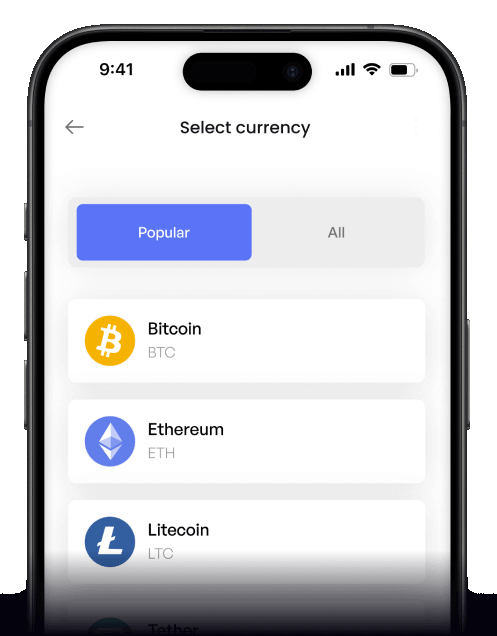
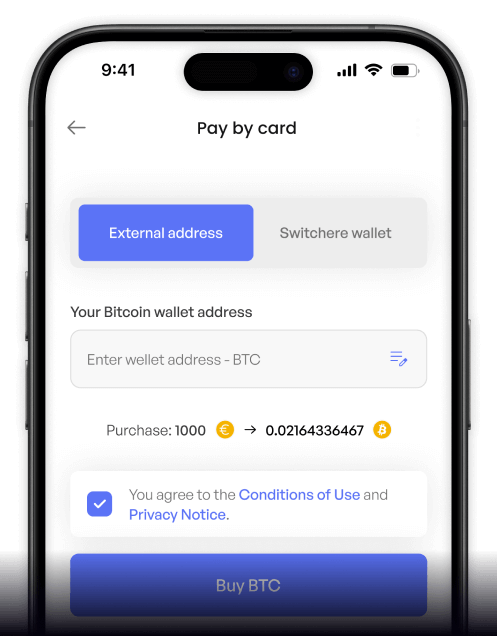
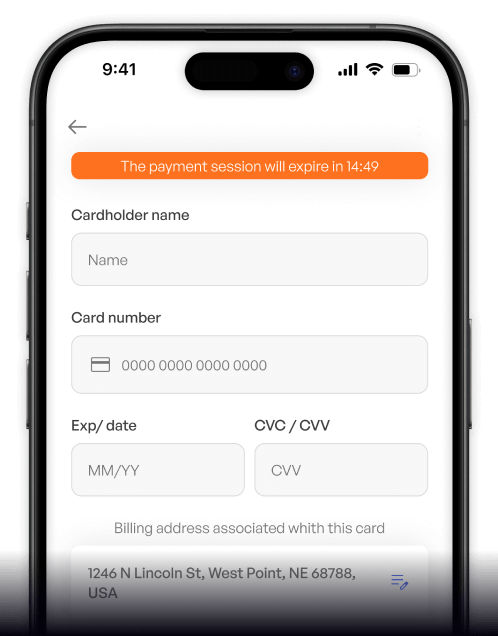
How to Buy Ethereum Name Service (ENS)
 Step-by-step guidance
 Easy credit card payments
 Streamlined purchase process
 Web
Web
Popular Coins for South African Rand (ZAR)




Other Coins for South African Rand (ZAR)




Frequently asked questions
-
What is the ZAR/ENS pair and its primary function in the crypto market?
The ZAR/ENS pair represents the exchange rate between the South African Rand (ZAR) and the Ethereum Name Service (ENS) token. Its primary function is to provide a fiat on-ramp for South African investors to acquire ENS, the governance token for the ENS DAO. This allows them to participate in the governance of the decentralized naming protocol for Web3, which powers .ETH domain names and enhances decentralized identity. -
What are the common methods to purchase ENS using South African Rand (ZAR)?
Typically, you would use a cryptocurrency exchange that supports ZAR deposits. The process involves completing KYC/AML verification, depositing ZAR via Electronic Funds Transfer (EFT) from a South African bank account, and then executing a trade. Since a direct ZAR/ENS pair might have low liquidity, a common strategy is to first buy a major digital asset like ETH or a stablecoin with your ZAR, and then trade that asset for ENS on the same platform. -
What is the role of the ENS token itself within the Ethereum Name Service ecosystem?
The ENS token is purely a governance token. Its primary utility is to grant holders voting rights in the ENS DAO (Decentralized Autonomous Organization). By holding ENS, you can submit and vote on proposals that direct the future of the protocol, such as managing treasury funds or upgrading the smart contracts that govern the registration of .ETH domains. It is not used to pay for domain registration; that is done in ETH. -
What security measures are crucial when trading ZAR for ENS and storing the tokens?
Firstly, only use reputable, regulated cryptocurrency exchanges that comply with South African financial laws. Enable two-factor authentication (2FA) on your exchange account. After purchasing your ENS tokens, the most secure practice is to withdraw them from the exchange to a non-custodial digital wallet, such as MetaMask or a hardware wallet. This gives you full control over your private keys and protects your digital assets from exchange-related risks. -
Are there any specific considerations for ZAR transactions when buying ENS, such as fees or processing times?
Yes. When depositing ZAR onto an exchange via EFT, processing times can range from a few hours to 1-2 business days, depending on your bank and the exchange's system. Banks and exchanges may charge a deposit fee. Additionally, you will encounter trading fees (maker/taker fees) on the platform when you execute the ZAR-to-crypto trade. Finally, withdrawing the ENS tokens to your personal wallet will incur a network fee (gas fee) paid in ETH, which varies based on Ethereum network congestion.

Buy on the go
Anywhere. Anytime.
Buy crypto with your credit card from anywhere. Live rates, transparent fees, and 3D Secure on every order - the full Switchere card-buy experience in your pocket.



Scan to download the app iOS and Android

