bg
  1. Home
  2. Converter
  3. South African Rand (ZAR) to Litecoin (LTC)

Convert
South African Rand (ZAR) to Litecoin (LTC) Instantly

Purchase Litecoin (LTC) with South African Rand (ZAR) easily at Switchere and benefit from fast, secure transactions.

About
Litecoin (LTC)

Litecoin (LTC) stands as one of the earliest and most established cryptocurrencies, often referred to as the 'silver to Bitcoin's gold.' Launched in 2011 as a fork of the Bitcoin Core client, its primary purpose was to create a faster and lighter version of Bitcoin, suitable for everyday transactions. This digital asset operates on a decentralized network utilizing a Proof-of-Work (PoW) consensus mechanism, but distinguishes itself with the Scrypt hashing algorithm. This choice was initially aimed at allowing CPU and GPU miners to participate more effectively, though specialized Scrypt ASICs have since become dominant for mining this cryptographic security-focused coin.

Key distinguishing features of Litecoin include its faster block generation time, approximately 2.5 minutes compared to Bitcoin's 10 minutes, leading to quicker transaction confirmations. The LTC token serves as the native currency for paying transaction fees on its blockchain technology and is widely accepted as a medium of exchange and a store of value. Litecoin has historically been a pioneer in adopting new technologies, such as Segregated Witness (SegWit) which improves transaction throughput, and more recently, the MimbleWimble Extension Blocks (MWEB) upgrade, offering users opt-in privacy and enhanced fungibility for on-chain transactions. Its longevity and consistent development have solidified Litecoin's position as a significant and reliable peer-to-peer digital currency within the broader Web3 infrastructure and digital ledger ecosystem.
Litecoin (LTC)

How to Buy Litecoin (LTC)

swipe Step-by-step guidance
card Easy credit card payments
btn Streamlined purchase process
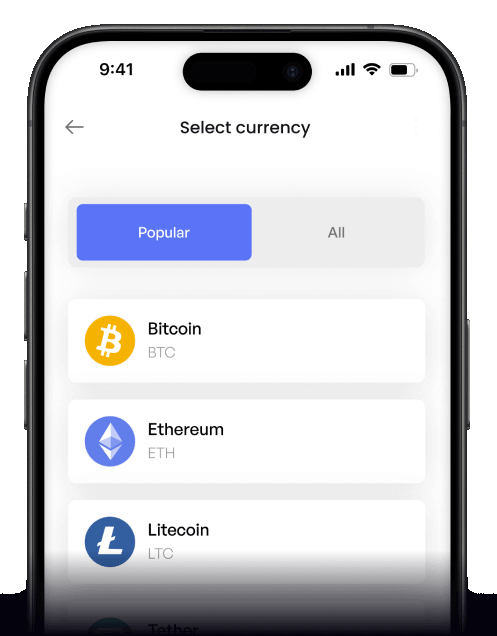
  1. Step 1 illustration
    01

    Choose ZAR to LTC Pair

    Select your preferred payment method and enter the amount.

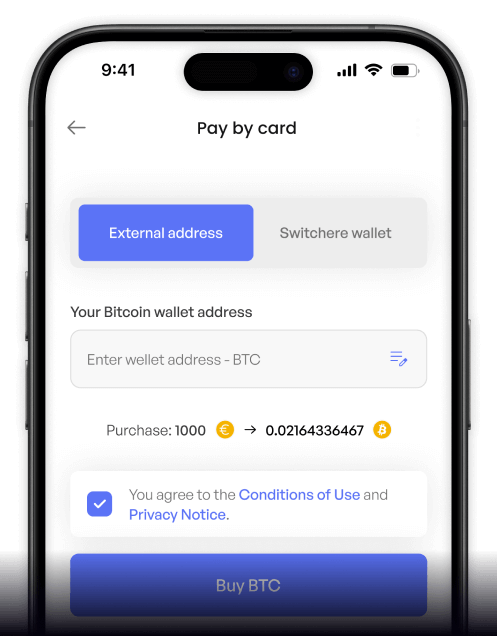
  2. 02

    Enter Your Litecoin Wallet Address

    Provide your LTC wallet address and proceed with the payment.

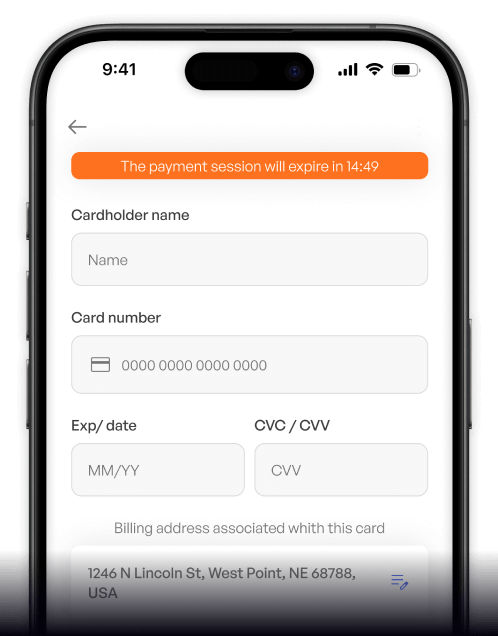
  3. 03

    Receive Your Litecoin

    Complete the payment, and your LTC will be sent to your wallet.

Popular Coins for South African Rand (ZAR)

Other Coins for South African Rand (ZAR)

Frequently asked questions

  • What is the standard process for buying Litecoin (LTC) with South African Rand (ZAR)?

    To buy Litecoin with ZAR, you typically need to use a regulated South African cryptocurrency exchange that serves as a fiat on-ramp. The process involves signing up, completing FICA (South Africa's KYC/AML) verification, and depositing ZAR via a local bank transfer (EFT) or card payment. Once your account is funded, you can place a buy order on the LTC/ZAR trading pair. After the digital asset purchase, it is highly recommended to transfer your LTC to a secure, private digital wallet.
  • Why is Litecoin's Scrypt algorithm and faster block time relevant for ZAR transactions?

    Litecoin's key features make it highly efficient for converting fiat like ZAR. Its Scrypt proof-of-work algorithm is less resource-intensive than Bitcoin's, promoting network decentralization. More importantly, its average block generation time of 2.5 minutes—four times faster than Bitcoin—ensures quicker blockchain transaction confirmations. This speed is advantageous when moving funds from an exchange, making LTC a practical form of peer-to-peer electronic cash, often called 'digital silver'.
  • What are the security best practices when converting ZAR to LTC?

    For secure trading between ZAR and LTC, always use a reputable exchange that complies with FICA regulations. Enable two-factor authentication (2FA) on your exchange account for an extra layer of security. The most critical step after purchase is to withdraw your LTC from the exchange's custodial wallet to a non-custodial digital wallet where you control the private keys. This minimizes risk from exchange-related security breaches. Never share your private keys or seed phrase.
  • How does Litecoin's Mimblewimble Extension Blocks (MWEB) feature impact privacy for ZAR/LTC users?

    The Mimblewimble Extension Blocks (MWEB) is an opt-in feature on the Litecoin network that significantly enhances privacy and fungibility. When a user converts ZAR to LTC and chooses to transact using MWEB, the amount being sent and the addresses involved are obscured on the blockchain. This provides confidential transactions, preventing outside observers from linking transactions or determining balances, which is a powerful privacy feature for those managing their digital asset portfolio.
  • What are the common fees associated with trading the ZAR to LTC pair on South African exchanges?

    When trading ZAR/LTC, expect several potential fees. First, a ZAR deposit fee, which is often zero for local EFT but may apply to card payments. Second, a trading fee, typically based on a maker-taker model, which is a small percentage of your trade's value. Finally, a withdrawal fee, which is a flat LTC amount charged by the exchange to cover the Litecoin network's own blockchain transaction fee when you move your coins to a private digital wallet.
Could not find the answer to your question? Describe your issue in  
bg

Trade on the go
Anywhere. Anytime

Through Switchere you can buy or sell crypto instantly - transact all popular coins and tokens at the tap of a button.

Switchere Mobile Interface

Our website uses cookies. Our Cookie Policy