Convert
South African Rand (ZAR) to ConstitutionDAO (PEOPLE) Instantly
Purchase ConstitutionDAO (PEOPLE) with South African Rand (ZAR) easily at Switchere and benefit from fast, secure transactions.
About
ConstitutionDAO (PEOPLE)
ConstitutionDAO (PEOPLE) represents a landmark social experiment in the history of decentralized autonomous organizations (DAOs). Its primary purpose was to collectively raise capital using blockchain technology to purchase a rare, original copy of the U.S. Constitution at a Sotheby's auction. This initiative demonstrated the power of Web3 infrastructure for rapid, large-scale decentralized fundraising, amassing over $40 million in Ethereum in less than a week. The project operated on the Ethereum network, utilizing the Juicebox protocol for its crowdfunding smart contracts, which ensured transparency and automated treasury management.
The native digital asset, PEOPLE, was issued to contributors and functioned as a governance token, granting holders voting rights on the DAO's future decisions, such as storage and exhibition of the artifact if the bid were successful. Although the DAO was ultimately outbid, the PEOPLE token's story evolved. After the treasury was opened for refunds, the token became a symbol of community power and the potential of collective action in the digital age. It persists as a memetic token, embodying one of the most significant moments in DAO history and showcasing the on-chain coordination capabilities of a decentralized network.
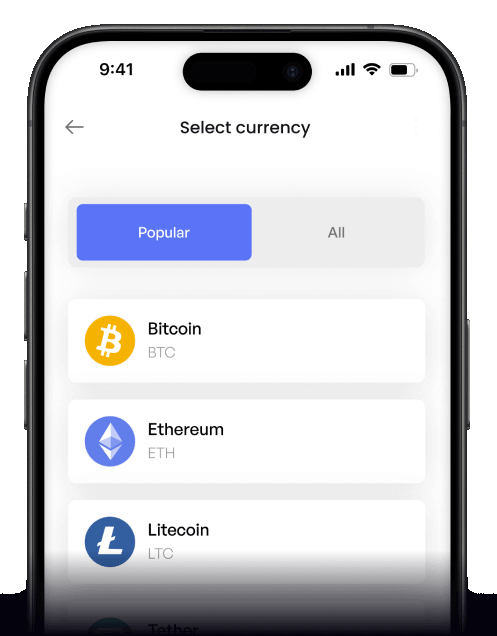
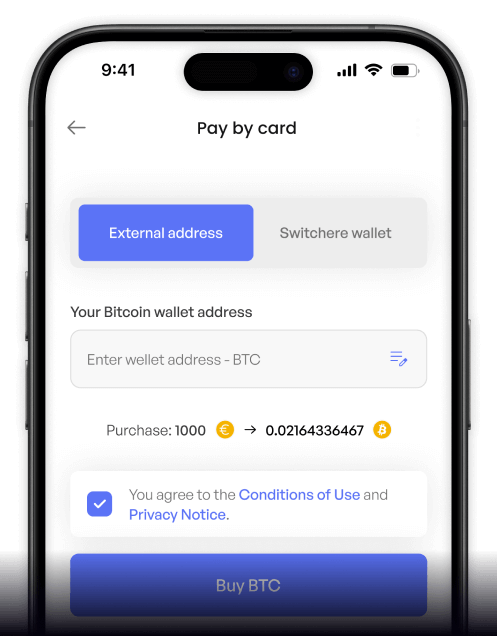
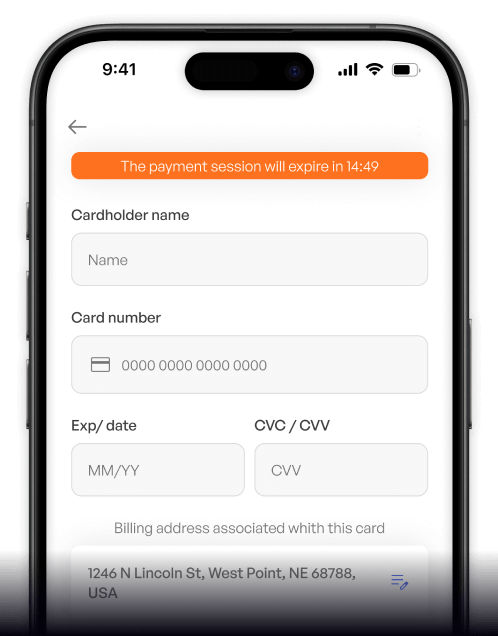
How to Buy ConstitutionDAO (PEOPLE)
Popular Coins for South African Rand (ZAR)
Other Coins for South African Rand (ZAR)
Frequently asked questions
-
What's the most common way to buy PEOPLE tokens using South African Rand (ZAR)?
Typically, you would use a cryptocurrency exchange that serves South Africa and lists the PEOPLE token. The process involves creating an account, completing KYC/AML verification, depositing ZAR via methods like EFT or bank transfer, and then executing a trade for PEOPLE. As direct ZAR/PEOPLE pairs are rare, a common route is to first buy a major cryptocurrency like USDT or ETH with your ZAR, and then trade that for PEOPLE on the exchange's order book. -
What is the origin of the PEOPLE token from ConstitutionDAO?
PEOPLE is an ERC-20 token that originated from ConstitutionDAO, a decentralized autonomous organization (DAO) formed in 2021. Its sole purpose was to crowdfund enough capital to purchase an original copy of the U.S. Constitution at a Sotheby's auction. Although the DAO was unsuccessful in its bid, the PEOPLE token remains as a historical artifact of this significant community-driven DAO experiment, now trading as a memecoin without its original utility. -
What fees should I anticipate when converting ZAR to PEOPLE?
There are several potential fees: 1) A deposit fee for funding your exchange account with ZAR from a South African bank. 2) A trading fee (maker or taker fee) on the cryptocurrency exchange when you trade ZAR for another asset, and then that asset for PEOPLE. 3) Since PEOPLE is an ERC-20 token, you will incur an Ethereum network 'gas fee' if you withdraw the tokens from the exchange to your private digital wallet. This gas fee can vary significantly based on network congestion. -
How can I securely store my PEOPLE tokens after purchase?
For optimal security, it's recommended to move your PEOPLE tokens from the cryptocurrency exchange to a self-custody digital wallet where you control the private keys. Since PEOPLE is an ERC-20 token, any Ethereum-compatible wallet, such as MetaMask, Trust Wallet, or a hardware wallet like Ledger or Trezor, will be suitable. Always back up your seed phrase and store it offline in a secure location. -
Does the PEOPLE token have any governance rights or utility now?
No. The PEOPLE token's original function was tied to the governance of ConstitutionDAO, specifically for voting on matters related to the auction bid. After the bid failed and the DAO was effectively dissolved, the token lost its intended utility. It now exists as a community-owned memecoin, and its value is purely speculative, driven by community interest and market dynamics rather than any underlying protocol function or governance rights.