Convert
South African Rand (ZAR) to Liquity (LQTY) Instantly
Purchase Liquity (LQTY) with South African Rand (ZAR) easily at Switchere and benefit from fast, secure transactions.
About
Liquity (LQTY)
Liquity is a decentralized borrowing protocol built on the Ethereum blockchain that offers a unique approach to DeFi lending. Its core function is to allow users to draw interest-free loans against their Ether (ETH) collateral. These loans are paid out in LUSD, a fully redeemable, USD-pegged stablecoin. A primary innovation of this digital asset protocol is its exceptional capital efficiency, requiring a minimum collateral ratio of only 110%. This design makes it one of the most accessible on-chain borrowing solutions available within the decentralized finance ecosystem, directly addressing the issue of over-collateralization common in other platforms.
The system’s architecture is rooted in true decentralization. Liquity’s smart contracts are immutable and the protocol operates without any form of governance, minimizing human intervention and creating a more predictable financial instrument. Its robust liquidation mechanism is managed algorithmically and supported by a Stability Pool, where LUSD holders can deposit their tokens to participate in liquidating under-collateralized positions, known as Troves. The native utility token, LQTY, is not a governance token. Instead, its primary function is for staking. By staking LQTY, holders earn a share of the protocol fees generated from LUSD issuance and redemptions, providing a direct revenue stream from the protocol's core operations.
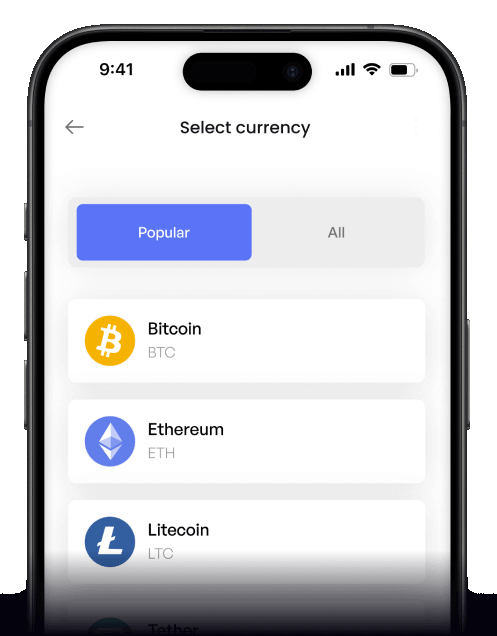
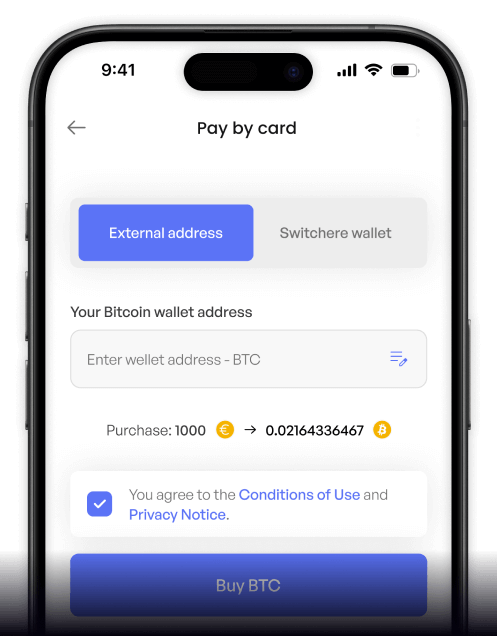
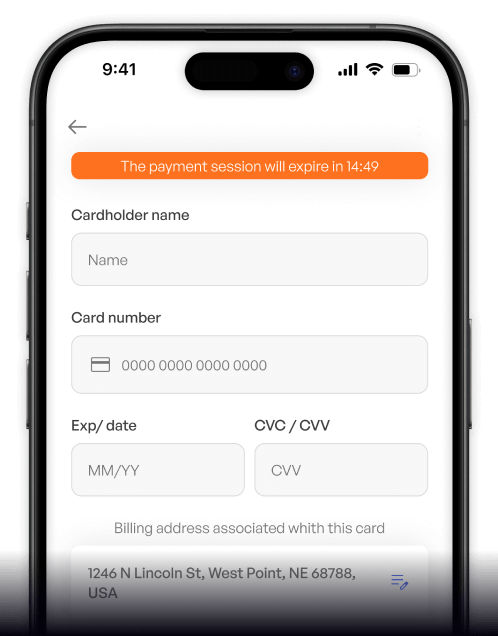
How to Buy Liquity (LQTY)
Popular Coins for South African Rand (ZAR)
Other Coins for South African Rand (ZAR)
Frequently asked questions
-
What is the most common process for buying Liquity (LQTY) with South African Rand (ZAR)?
To purchase the Liquity (LQTY) digital asset with South African Rand, you'll typically use a fiat on-ramp on a cryptocurrency exchange that supports ZAR deposits. The most common method involves a local bank transfer (EFT) to fund your account. As direct ZAR/LQTY order books are rare, you will likely first trade ZAR for a more liquid asset like ETH or a stablecoin, and then execute a second trade to acquire LQTY. -
What is the core function of the LQTY token within the Liquity decentralized borrowing protocol?
LQTY is the secondary token of the Liquity protocol, designed to capture the fee revenue generated by the system. Users who stake their LQTY tokens earn a proportional share of the borrowing and redemption fees paid in LUSD (the protocol's stablecoin) and ETH. This mechanism aligns the token holders' interests with the protocol's health, as increased usage and volume of its interest-free loans directly translate to higher staking rewards. -
What are the key technical considerations when transacting from ZAR to LQTY?
The primary technical step involves using a South African exchange compliant with FICA regulations. You will deposit ZAR via EFT. The key consideration is that you'll likely perform a two-step trade: ZAR to a base currency (like ETH), then ETH to LQTY. This is because LQTY is an ERC-20 token on the Ethereum blockchain. Therefore, you must also account for Ethereum network gas fees for any withdrawal of LQTY from the exchange to a secure, non-custodial digital wallet. -
How does the Liquity protocol's Stability Pool mechanism impact the value of LQTY?
The Stability Pool is a core component of Liquity, used to absorb debt from liquidated Troves (collateralized debt positions). Users deposit LUSD into this pool and, in return, earn liquidation gains (from the forfeited ETH collateral) and early-adopter rewards in LQTY. While LQTY stakers earn fees, Stability Pool depositors play a direct role in maintaining protocol solvency. This crucial function creates a demand for LUSD, indirectly supporting the entire ecosystem in which the LQTY token captures value. -
What are the typical payment methods and compliance requirements for using ZAR on South African crypto on-ramps?
The most prevalent payment method for depositing ZAR on South African cryptocurrency exchanges is Electronic Funds Transfer (EFT) directly from a local bank account. In terms of compliance, all reputable platforms are required to adhere to the Financial Intelligence Centre Act (FICA). This means users must complete a verification process, similar to KYC, by providing proof of identity and address before they can deposit fiat currency and begin trading digital assets.