


Convert
South African Rand (ZAR) to Decentraland (MANA) Instantly


Purchase Decentraland (MANA) with South African Rand (ZAR) easily at Switchere and benefit from fast, secure transactions.
About
Decentraland (MANA)
Decentraland (MANA) is a pioneering decentralized virtual world platform built on the Ethereum blockchain, empowering users to create, experience, and monetize content and applications within a user-owned digital realm. Its primary purpose is to establish a persistent, shared, and open virtual environment where digital real estate (LAND NFTs) and in-world assets are verifiably owned and controlled by participants, not a central entity. The core technology leverages smart contracts for LAND ownership (ERC-721 tokens) and its native currency, MANA (an ERC-20 utility token), fostering a robust on-chain economy and a truly decentralized network for its metaverse.
The MANA token is integral to the Decentraland ecosystem. It serves as the medium of exchange for acquiring LAND parcels, virtual goods, wearables for avatars, and accessing various in-world services and experiences. Beyond its transactional utility, MANA also functions as a governance token, granting holders voting rights within the Decentraland DAO (Decentralized Autonomous Organization). This allows the community to influence key decisions regarding platform policies, development grants, and the allocation of resources. As a foundational Web3 infrastructure project, Decentraland is a key player in the burgeoning creator economy and the evolution of immersive social gaming and virtual reality experiences, all secured by blockchain technology and cryptographic security.

How to Buy Decentraland (MANA)
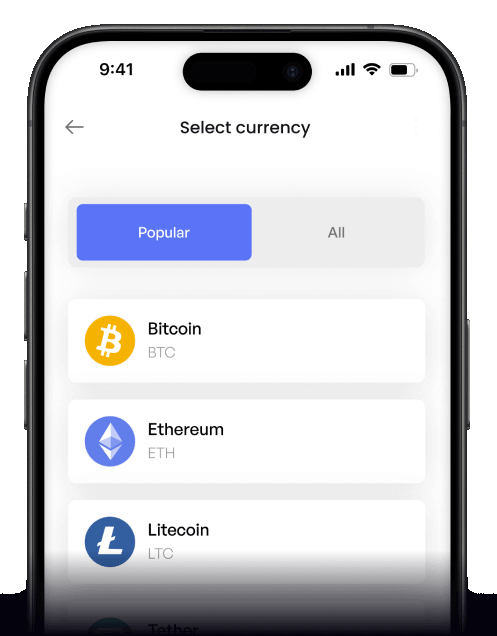
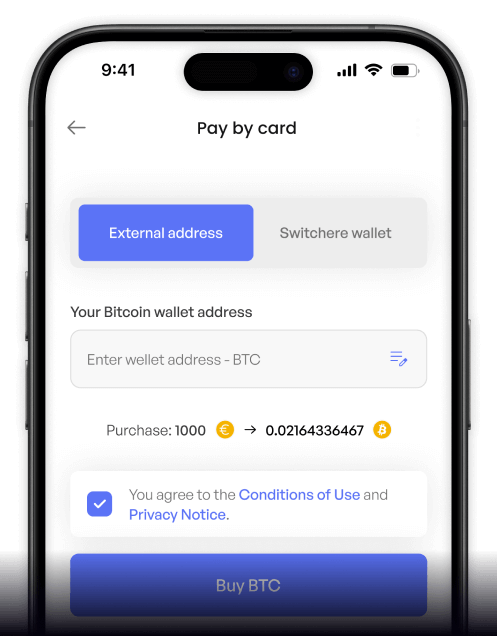
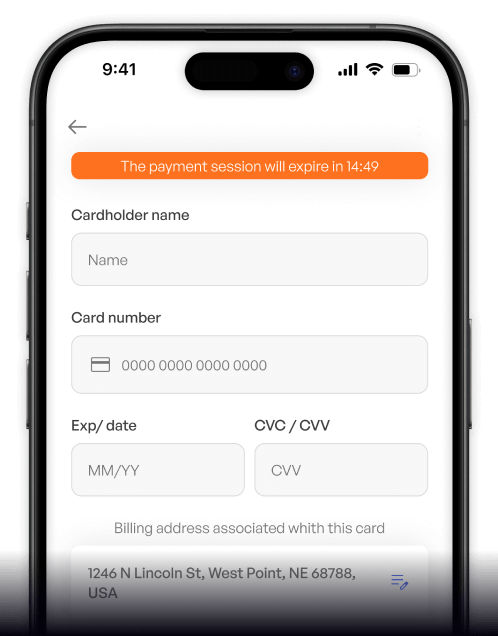
 Step-by-step guidance
 Easy credit card payments
 Streamlined purchase process
 Web
Web
Popular Coins for South African Rand (ZAR)




Other Coins for South African Rand (ZAR)








Frequently asked questions
-
What is the best way to buy Decentraland (MANA) with South African Rand (ZAR)?
To buy the MANA digital asset with ZAR, you typically use a cryptocurrency exchange that serves as a fiat on-ramp for South African users. The process involves creating an account, completing FICA (South Africa's KYC) verification, and depositing ZAR via methods like Electronic Funds Transfer (EFT) or PayFast. Once your account is funded, you can trade the ZAR/MANA pair directly on the order book or purchase MANA instantly. -
What is the primary utility of the MANA token within the Decentraland metaverse?
MANA is the native ERC-20 utility token of the Decentraland virtual world. Its primary function is to serve as the in-game currency for all blockchain transactions. Users spend MANA to purchase LAND parcels (virtual real estate NFTs), acquire wearable NFTs for avatar customization, and pay for various services and user-generated content within the ecosystem. It is also used for governance in the Decentraland DAO. -
When purchasing MANA with ZAR, do I need to comply with FICA regulations?
Yes, if you are using a regulated South African cryptocurrency exchange as your fiat on-ramp. FICA (Financial Intelligence Centre Act) is South Africa's framework for KYC/AML compliance. All licensed trading platforms require users to complete FICA verification by providing proof of identity and address before they can deposit ZAR and trade digital assets like MANA. This ensures a secure trading environment. -
Are transactions with MANA tokens processed on the Ethereum or Polygon network?
Both. MANA is fundamentally an ERC-20 token on the Ethereum blockchain. However, to facilitate faster and cheaper transactions for in-world activities like buying wearable NFTs, Decentraland has integrated the Polygon network, a Layer-2 scaling solution. When you withdraw MANA from an exchange, you'll need a digital wallet compatible with both Ethereum and Polygon to manage your assets effectively across the entire Decentraland ecosystem. -
What are the advantages of using a direct ZAR/MANA trading pair on a local exchange?
Using a direct ZAR/MANA pair simplifies the digital asset purchase process. It provides a direct fiat on-ramp, eliminating the need for currency conversions (e.g., ZAR to USD or BTC first), which can save on fees. Transactions are often faster using local payment methods like EFT, and liquidity for the pair might be higher on South African exchanges during local business hours, potentially leading to better pricing.

Buy on the go
Anywhere. Anytime.
Buy crypto with your credit card from anywhere. Live rates, transparent fees, and 3D Secure on every order - the full Switchere card-buy experience in your pocket.



Scan to download the app iOS and Android

