Convert
SAR to XRP Instantly
Saudi riyal to Ripple at the real-time exchange rate
Purchase Ripple (XRP) with Saudi riyal (SAR) easily at Switchere and benefit from fast, secure transactions.
About
Ripple (XRP)
Tracking the XRP to SAR rate is essential for users in Saudi Arabia looking to enter the digital asset ecosystem. This specific exchange rate is influenced by the global liquidity of XRP, its inherent market volatility, and the stability of the Saudi Riyal peg. When utilizing a SAR to XRP converter, users can accurately gauge how much fiat is required to acquire this prominent digital asset, which is renowned for its ultra-fast, cross-border payment settlement capabilities.
To buy XRP with SAR, individuals typically rely on established fiat on-ramp services operating within the Gulf region. Common funding methods include local bank transfers, credit or debit cards, and sometimes regional payment networks like SADAD. Due to stringent regulatory frameworks, completing standard KYC and AML verification is a standard prerequisite before executing any conversion.
Receiving funds on the XRP Ledger requires careful attention to technical details. Alongside the main wallet address, users must often include a Destination Tag to ensure proper routing of the asset, especially when transferring from an exchange. Once initiated, the conversion benefits from the XRP network's incredibly low transaction fees and near-instant confirmation times, offering a highly efficient gateway for Saudi residents.
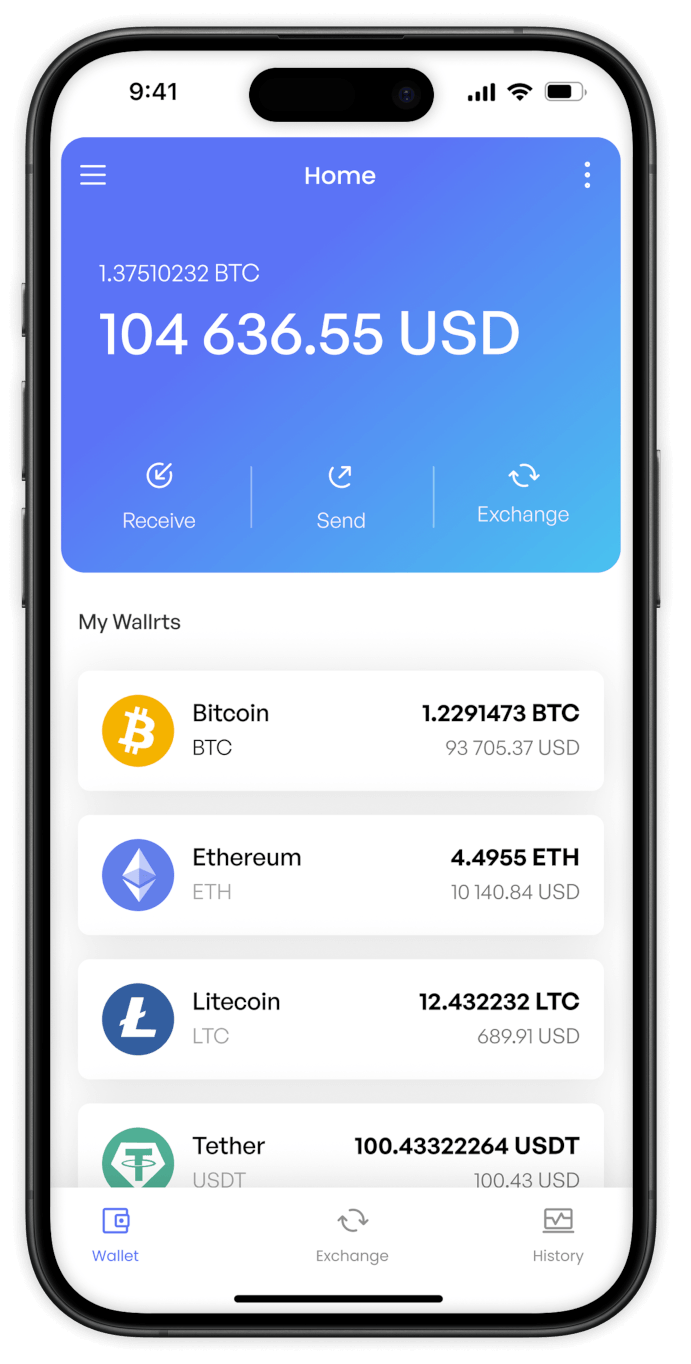
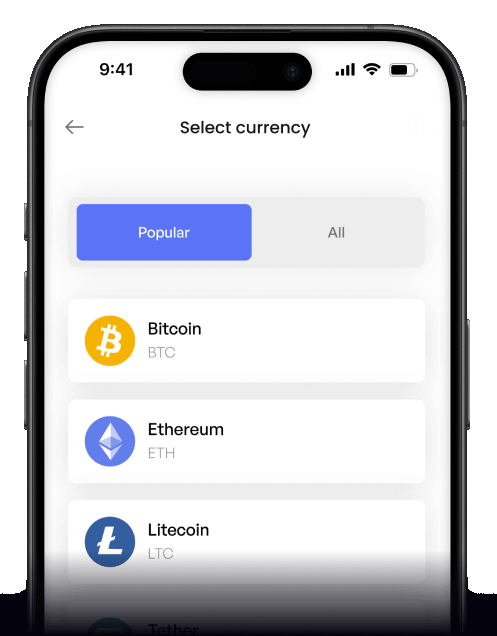
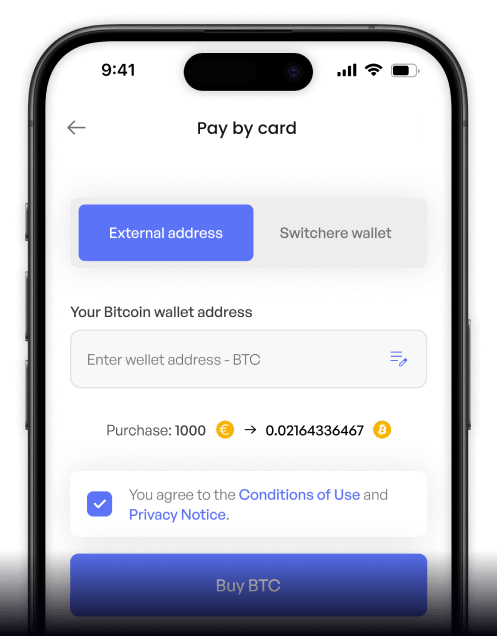
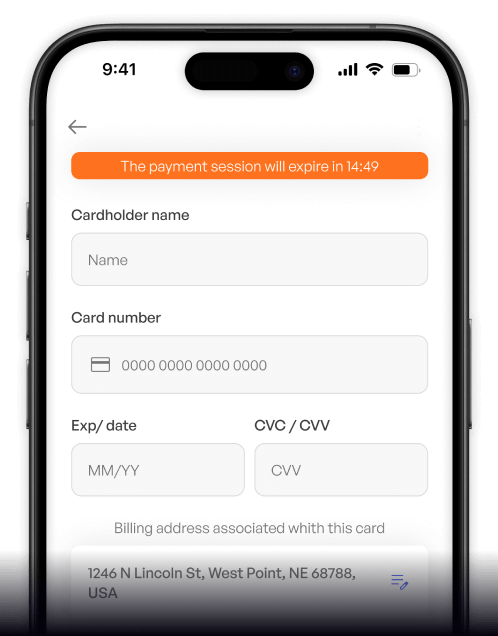
How to Buy Ripple (XRP)
Popular Coins for Saudi riyal (SAR)
Other Coins for Saudi riyal (SAR)
Frequently asked questions
-
How can I buy XRP using Saudi Riyals (SAR) through a fiat on-ramp?
To purchase the native digital asset of the XRP Ledger (XRPL) using SAR, you need to utilize a cryptocurrency exchange that supports this specific fiat trading pair or offers SAR deposits. Typically, users transfer funds via a local Saudi Riyal bank transfer. Once your account is funded and KYC/AML compliance checks are cleared, you can execute a buy order to acquire XRP, benefiting from its fast settlement times. -
What are the best methods to deposit SAR for purchasing Ripple's native token?
Traders in the MENA region frequently use regulated crypto exchanges that accept domestic banking networks or credit/debit cards denominated in SAR. While direct integration with local payment systems depends on the specific platform's licensing, wire transfers remain a standard fiat gateway. Ensure the chosen exchange provides deep liquidity for the SAR/XRP order book to minimize slippage during your digital asset purchase. -
Why do traders exchange Saudi Riyals for XRP instead of other cryptocurrencies?
XRP is specifically designed for enterprise-grade cross-border payments and remittances. Unlike proof-of-work blockchains, the XRP Ledger utilizes a unique consensus protocol that relies on a network of trusted validators. This allows for near-instant transaction finality and exceptionally low transaction fees. Exchanging SAR for XRP offers an efficient medium of exchange for international value transfer, often utilized in On-Demand Liquidity (ODL) solutions. -
How should I securely store my XRP after converting it from SAR?
After converting your fiat currency, it is highly recommended to move your digital assets off the exchange to a non-custodial digital wallet. Hardware wallets offer the highest level of security for long-term storage. Note that activating an XRPL wallet requires a base reserve, currently 10 XRP, to prevent ledger spam. Always safeguard your private keys or seed phrase, as blockchain transactions on the XRP Ledger are immutable. -
What fees are associated with the SAR to XRP trading pair?
Costs are divided into two categories: fiat deposit fees and trading fees on the exchange, and network fees on the blockchain. SAR bank transfers might incur standard banking charges. The exchange will also charge a maker/taker fee for executing the trade. However, once you possess XRP, transferring it across the decentralized network incurs a negligible network fee, making it highly efficient compared to legacy financial systems.