Convert
SAR to ENS Instantly
Saudi riyal to Ethereum Name Service (ERC20) at the real-time exchange rate


Purchase ENS (ERC20) with Saudi riyal (SAR) easily at Switchere and benefit from fast, secure transactions.
About
ENS (ERC20)
Tracking the ENS to SAR rate is essential for users in Saudi Arabia looking to enter the Web3 domain ecosystem. The exchange rate between the Saudi Riyal and the Ethereum Name Service token is influenced by local fiat liquidity, global cryptocurrency market volatility, and the broader demand for decentralized digital identities. Using a reliable SAR to ENS converter helps investors accurately assess their purchasing power before utilizing a fiat on-ramp.
When you buy ENS with SAR, typical payment methods include local Saudi bank transfers, debit or credit cards, and regional payment gateways, all subject to standard KYC/AML compliance. Because ENS is an ERC-20 token operating on the Ethereum blockchain, prospective buyers must consider Ethereum network gas fees, which can impact the final transaction cost when moving funds from a local exchange to a personal wallet.
This trading pair primarily serves GCC residents seeking to register decentralized domains or participate in ENS governance. Receiving your tokens requires a compatible Web3 wallet address. By understanding regional payment infrastructures and blockchain confirmation dynamics, Saudi users can seamlessly navigate the conversion from traditional fiat into decentralized infrastructure assets.

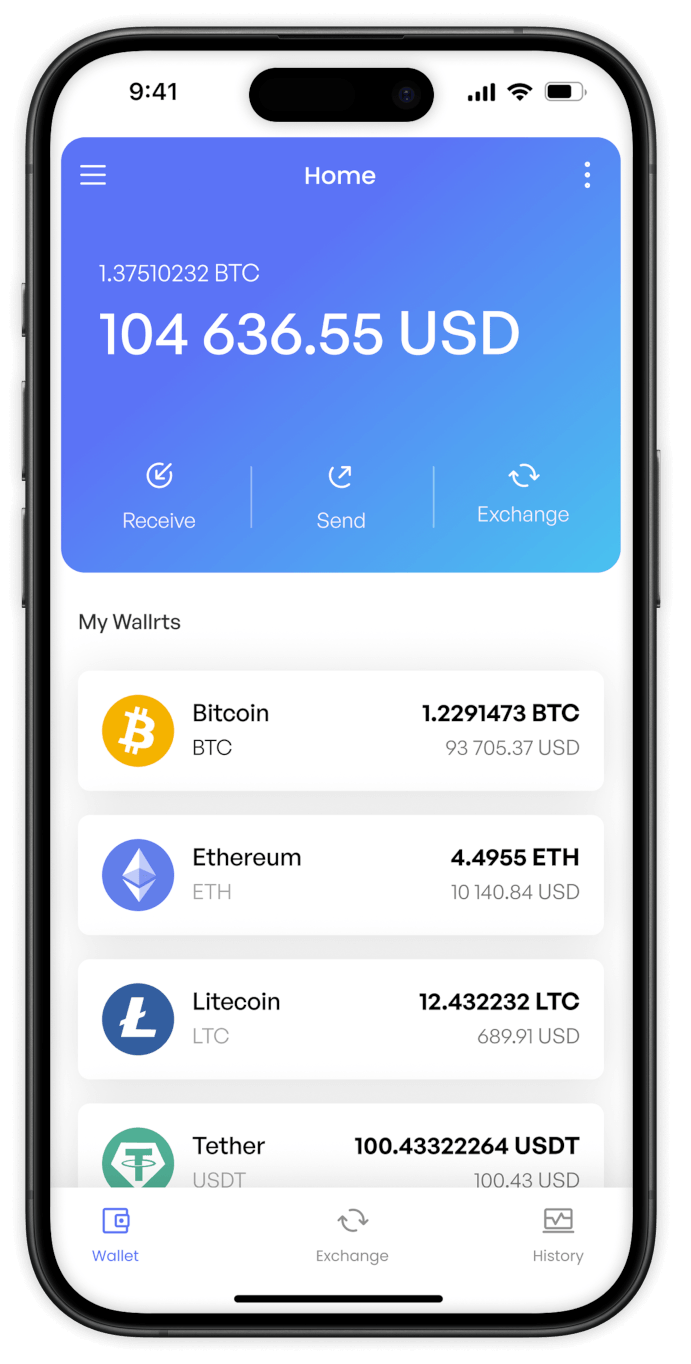
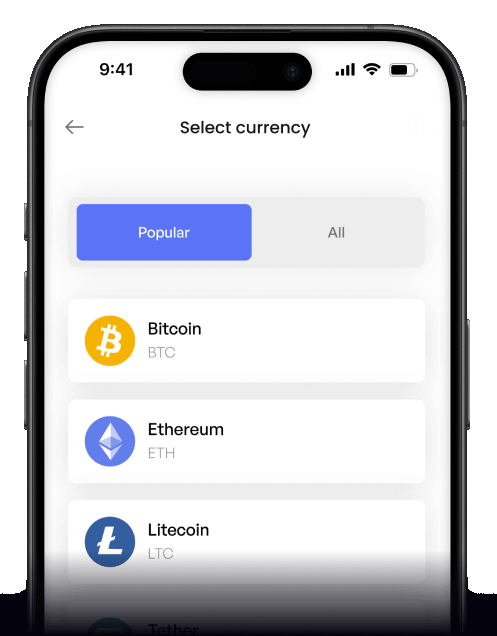
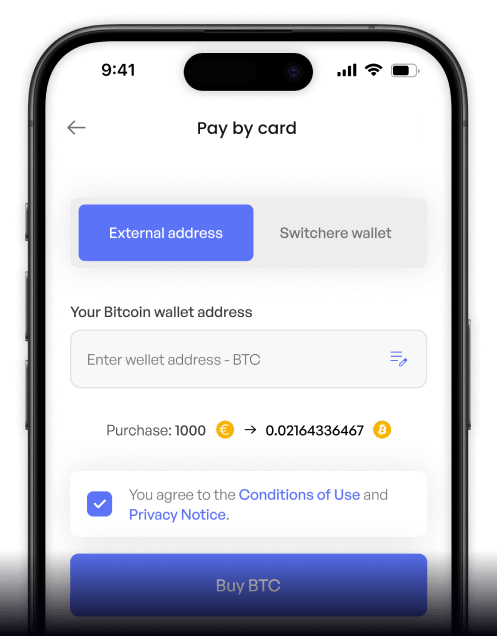
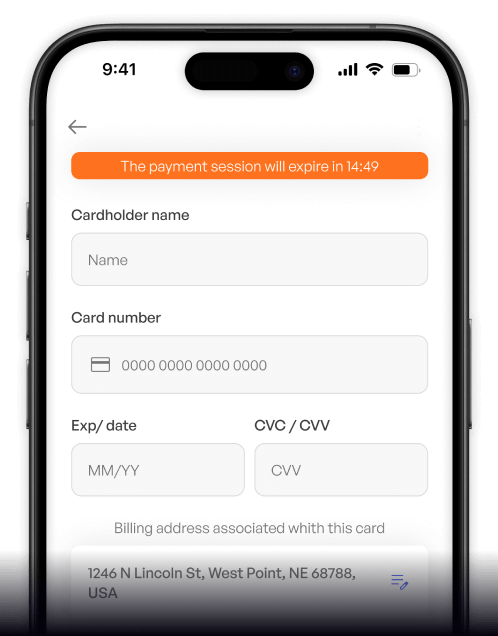
How to Buy ENS (ERC20)
 Step-by-step guidance
 Easy credit card payments
 Streamlined purchase process
 Web
Popular Coins for Saudi riyal (SAR)


Other Coins for Saudi riyal (SAR)


Frequently asked questions
-
What is the best way to buy Ethereum Name Service (ENS) with Saudi Riyal (SAR)?
Direct SAR/ENS trading pairs are uncommon. The typical process involves using a regulated cryptocurrency exchange that accepts SAR as a fiat on-ramp. Users first purchase a major digital asset like Bitcoin (BTC) or a stablecoin (USDT) via SAR bank transfer or Mada card. Afterwards, they trade that asset for ENS on the exchange's order book. This multi-step process provides access to the ENS token, the governance token for the decentralized naming protocol on the Ethereum blockchain. -
What is the primary function of the ENS token in the Ethereum ecosystem?
The ENS token is the governance token for the Ethereum Name Service protocol. Its primary utility is not for payments but to empower holders with voting rights within the ENS DAO (Decentralized Autonomous Organization). Token holders can propose and vote on protocol upgrades, treasury management, and the overall direction of the decentralized naming system for Web3 usernames and readable crypto addresses. This ensures community-led development of this critical Ethereum infrastructure. -
Are there specific KYC/AML requirements when using SAR for crypto purchases?
Yes, any reputable fiat on-ramp or cryptocurrency exchange that facilitates SAR transactions will enforce strict Know Your Customer (KYC) and Anti-Money Laundering (AML) compliance. This is in line with SAMA (Saudi Central Bank) guidelines and global standards. Users must typically provide government-issued ID and proof of address to verify their identity before they can link a bank account or use a Mada card to purchase digital assets. -
Is owning an ENS token the same as owning a .eth domain name?
No, they are distinct digital assets with different functions. A .eth domain is a non-fungible token (NFT) that serves as your Web3 username, a readable crypto address, and points to decentralized websites. The ENS token is an ERC-20 fungible token that represents voting power in the ENS DAO. Owning a .eth domain does not automatically grant you ENS tokens (except for the initial airdrop), and owning ENS tokens does not give you a .eth domain. -
After a SAR to ENS transaction, what is the most secure way to store the tokens?
The most secure method is to transfer your ENS tokens from the cryptocurrency exchange to a self-custody digital wallet. Options include hardware wallets (like Ledger or Trezor) for maximum security, or reputable software wallets (like MetaMask). This practice of self-custody removes counterparty risk from the exchange and gives you direct control over your private keys, which is essential for interacting with the ENS DAO for governance votes or other decentralized applications.

Buy on the go
Anywhere. Anytime.
Buy crypto with your credit card from anywhere. Live rates, transparent fees, and 3D Secure on every order - the full Switchere card-buy experience in your pocket.



Scan to download the app iOS and Android