Convert
SAR to ARB Instantly
Saudi riyal to Arbitrum at the real-time exchange rate


Purchase Arbitrum (ARB) with Saudi riyal (SAR) easily at Switchere and benefit from fast, secure transactions.
About
Arbitrum (ARB)
The SAR to ARB converter allows users in Saudi Arabia to seamlessly transition between their local fiat currency and one of the leading Ethereum Layer-2 scaling solutions. The ARB to SAR rate is continuously influenced by the liquidity of Middle Eastern fiat on-ramps, global Arbitrum market volatility, and the fixed peg of the Saudi Riyal. When you buy ARB with SAR, the exchange rate reflects these real-time market dynamics.
Local investors and developers accessing the decentralized finance ecosystem typically utilize regional payment methods like Mada, SADAD, or international wire transfers and credit cards. Utilizing a compliant fiat on-ramp ensures secure transactions, adhering to essential KYC and AML regulations standard in the Saudi financial sector.
Receiving your tokens requires a compatible Web3 wallet correctly configured for the Arbitrum One network. Because Arbitrum is an optimistic rollup, users benefit from rapid confirmation times and significantly lower network fees compared to Ethereum mainnet. Ensure your receiving address is exact to securely process your SAR to ARB exchange and dive into the thriving L2 landscape.

How to Buy Arbitrum (ARB)
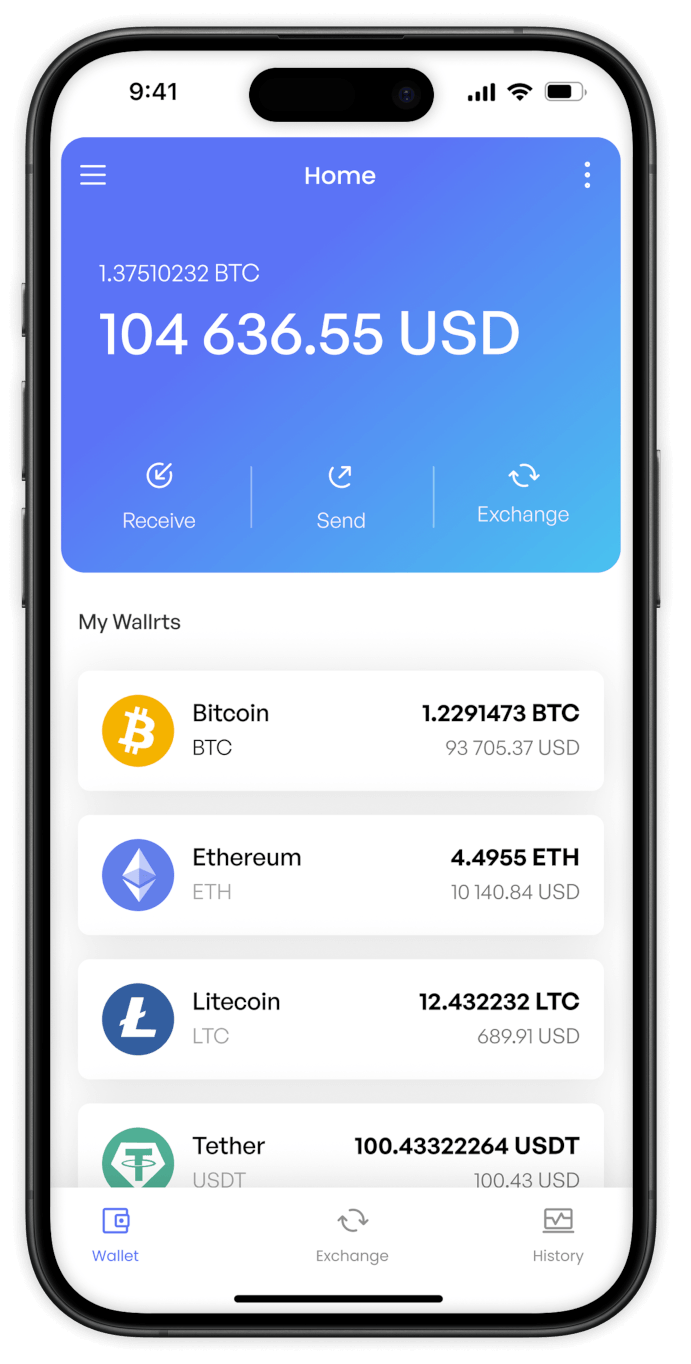
 Step-by-step guidance
 Easy credit card payments
 Streamlined purchase process
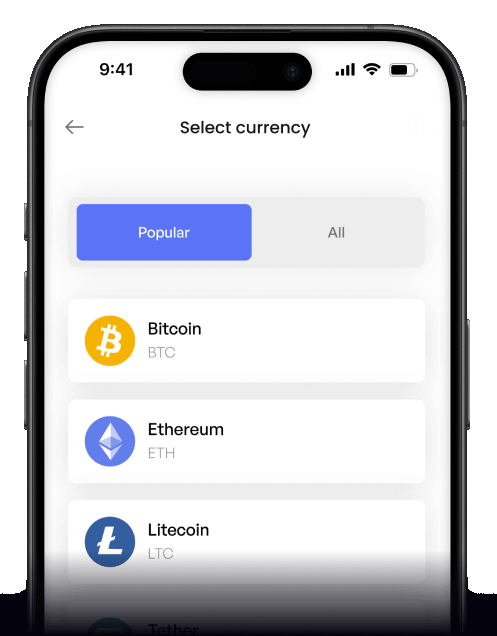
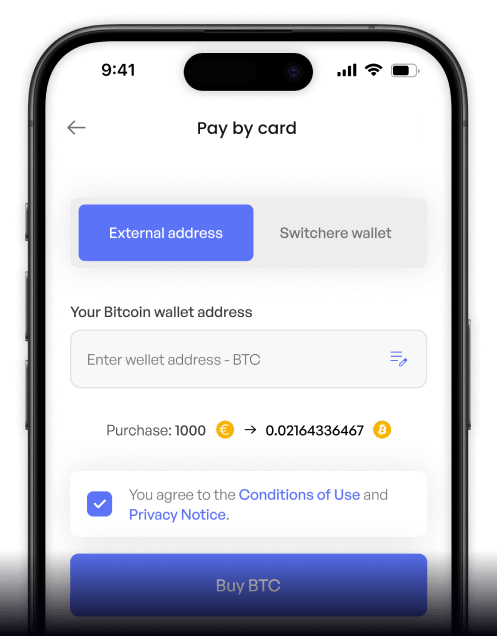
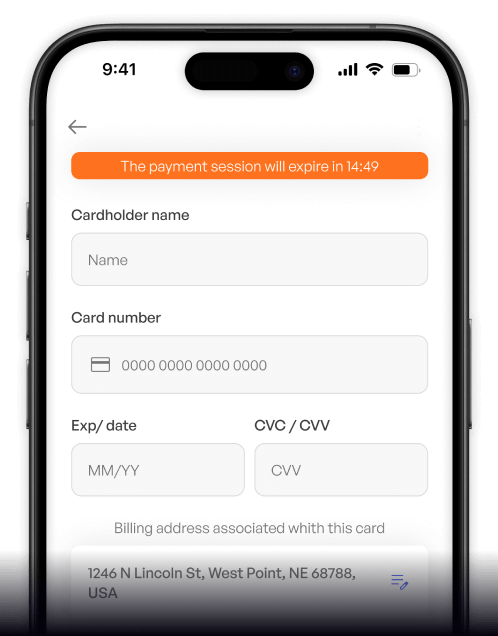
 Web
Popular Coins for Saudi riyal (SAR)


Other Coins for Saudi riyal (SAR)


Frequently asked questions
-
How can I efficiently convert Saudi Riyal (SAR) to Arbitrum (ARB) using a fiat gateway?
To purchase Arbitrum (ARB) with Saudi Riyals (SAR), you need a secure cryptocurrency exchange that acts as a fiat on-ramp for the MENA region. After completing KYC/AML compliance procedures, you can deposit SAR via local bank transfers. Once the funds are in your digital wallet, you can navigate to the SAR/ARB order book and execute a spot trade to acquire ARB, the native governance token of this prominent Layer 2 scaling solution. -
What are the main benefits of trading the SAR/ARB pair for Middle Eastern investors?
Trading the SAR/ARB pair offers Middle Eastern investors direct access to Ethereum's leading Layer 2 ecosystem without needing an intermediate digital asset like USDT. Arbitrum utilizes Optimistic Rollups to significantly reduce gas fees and increase transaction throughput compared to the Ethereum mainnet. By utilizing local SAR deposits, traders bypass foreign exchange conversion fees, providing a more cost-effective route to participate in the Arbitrum DAO and its burgeoning DeFi ecosystem. -
Are there specific digital wallets recommended for holding ARB purchased with SAR?
Yes, after executing your SAR/ARB digital asset purchase on a cryptocurrency exchange, it is highly recommended to withdraw your ARB tokens to a secure non-custodial digital wallet compatible with the Arbitrum One network. Hardware wallets or Web3 wallets like MetaMask and Trust Wallet are excellent choices. Ensure you configure the wallet's RPC settings to connect to the Arbitrum network to interact with decentralized applications (dApps) and manage your governance voting rights securely. -
How do Optimistic Rollups affect my ARB transactions after buying with SAR?
Once you have converted your Saudi Riyals (SAR) to ARB, any transactions you make within the Arbitrum ecosystem leverage Optimistic Rollup technology. This means transactions are executed off-chain and bundled before being submitted to the Ethereum mainnet as a single verifiable batch. This technical architecture drastically lowers transaction costs and speeds up confirmation times, allowing you to seamlessly interact with smart contracts, yield farming protocols, and Web3 gaming on Arbitrum at a fraction of standard Ethereum gas fees. -
What KYC requirements are typical when using a SAR to ARB fiat on-ramp?
Regulatory compliance is mandatory for platforms offering a SAR fiat gateway. When registering to trade the SAR/ARB pair, users must complete strict KYC/AML (Know Your Customer / Anti-Money Laundering) verification. This typically involves submitting a government-issued ID, proof of address within Saudi Arabia or the MENA region, and sometimes a facial recognition scan. This ensures secure trading, prevents illicit activities, and provides high liquidity by integrating with regulated local financial institutions.

Buy on the go
Anywhere. Anytime.
Buy crypto with your credit card from anywhere. Live rates, transparent fees, and 3D Secure on every order - the full Switchere card-buy experience in your pocket.



Scan to download the app iOS and Android