Convert
SAR to XTZ Instantly
Saudi riyal to Tezos at the real-time exchange rate
Purchase Tezos (XTZ) with Saudi riyal (SAR) easily at Switchere and benefit from fast, secure transactions.
About
Tezos (XTZ)
For users in Saudi Arabia looking to enter the blockchain space, a reliable SAR to XTZ converter is essential. Tezos is renowned for its energy-efficient Liquid Proof-of-Stake consensus and self-amending protocol, attracting interest for staking, or "baking", and decentralized applications. When you buy XTZ with SAR, the exchange rate is primarily determined by global cryptocurrency market liquidity and the inherent volatility of Tezos. As a fiat on-ramp, converting Saudi Riyals involves standard KYC and AML compliance to ensure secure transactions.
Funding a transaction typically utilizes localized payment methods such as SADAD, bank wire transfers, or credit and debit cards. Once the SAR payment clears, securing the digital assets requires a compatible Tezos wallet address. It is important to account for the Tezos blockchain's network fees, which are generally low, alongside any platform-specific exchange costs. Monitoring the live XTZ to SAR rate helps investors optimize their entry points. By facilitating seamless conversions, this pair bridges traditional Middle Eastern fiat infrastructure with the evolving Tezos ecosystem, enabling active participation in decentralized finance and digital asset management.
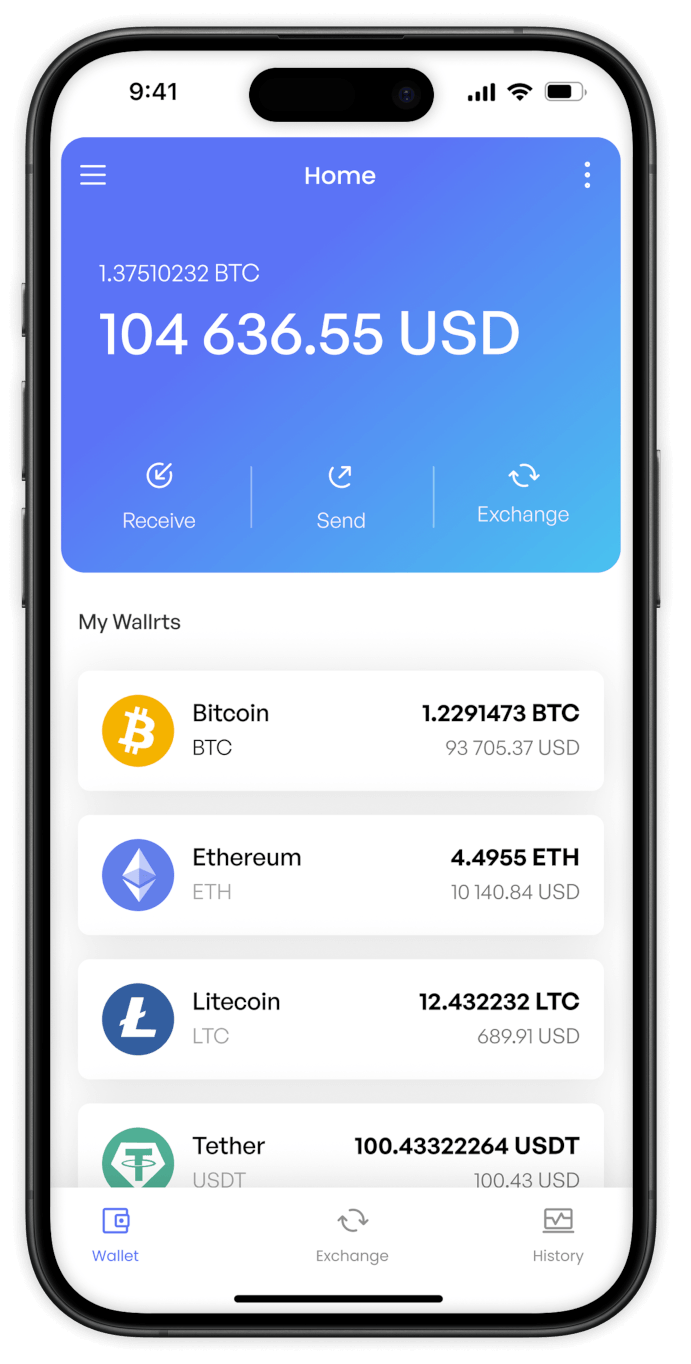
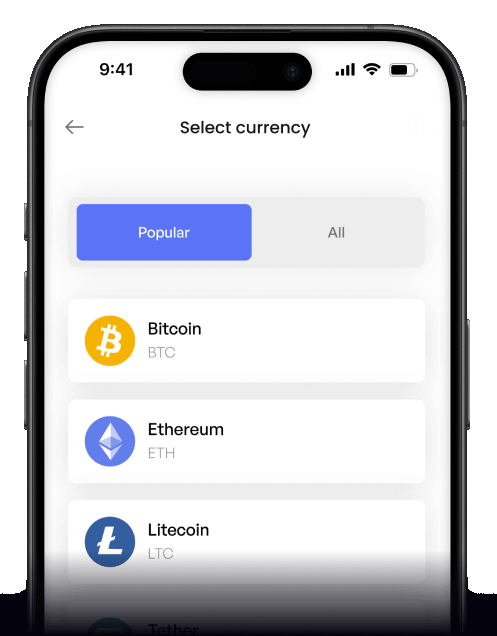
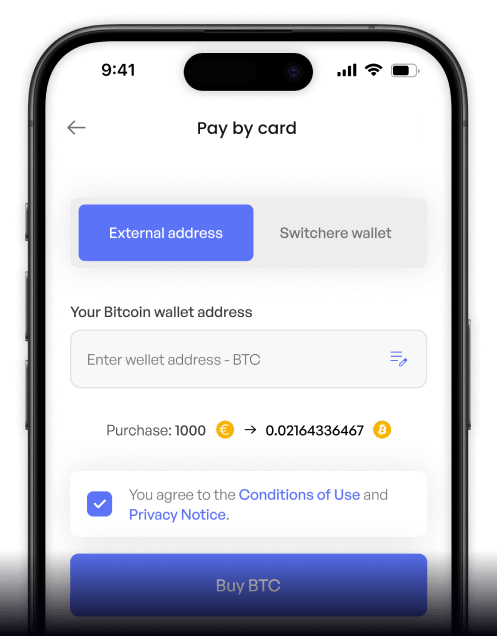
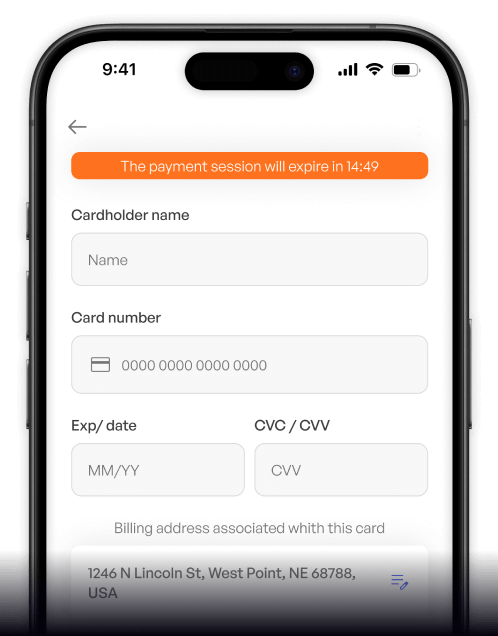
How to Buy Tezos (XTZ)
Popular Coins for Saudi riyal (SAR)
Other Coins for Saudi riyal (SAR)
Frequently asked questions
-
What is the most efficient way to convert Saudi Riyal (SAR) directly to Tezos (XTZ)?
The most efficient method for a SAR to XTZ conversion is utilizing a compliant cryptocurrency exchange that acts as a fiat on-ramp in the Middle East. Users typically deposit SAR via local bank transfers or credit/debit cards. Once the fiat gateway clears the funds after standard KYC/AML compliance checks, you can access the SAR/XTZ trading pair to execute your digital asset purchase, gaining exposure to Tezos' Liquid Proof-of-Stake (LPoS) ecosystem. -
Can I participate in Tezos on-chain governance immediately after purchasing XTZ with SAR?
Yes, holding XTZ acquired through a SAR transaction grants you immediate rights within the Tezos self-amendment process. By transferring your purchased tokens from the exchange to a self-custodial digital wallet, you can delegate your XTZ to a 'baker'. This allows you to earn staking rewards and participate in on-chain governance without locking up your digital assets, a unique feature of the Tezos network. -
What are the typical fees associated with buying Tezos (XTZ) using Saudi Riyals?
Fees for acquiring XTZ with SAR depend on the chosen payment method and the cryptocurrency exchange's structure. Direct SAR bank transfers usually incur lower fiat deposit fees compared to credit card purchases. Additionally, expect a maker/taker fee on the exchange's order book when trading the SAR/XTZ pair. Once you hold XTZ, withdrawing to a secure digital wallet involves a minimal network fee, which is generally very low due to Tezos' efficient consensus mechanism. -
Why is Tezos (XTZ) considered a highly secure smart contract platform for digital asset storage?
Tezos utilizes Michelson, a strongly typed smart contract language designed to facilitate formal verification. This allows developers to mathematically prove the correctness of their code, significantly reducing the risk of bugs and vulnerabilities often seen in other Layer 1 blockchains. When you secure your XTZ in a non-custodial wallet, you are leveraging a blockchain architecture built for high-value financial applications and FA2 token standard security. -
Do I need to perform KYC verification to trade SAR for XTZ on major platforms?
Yes, utilizing a regulated fiat gateway to trade Saudi Riyal for Tezos mandates rigorous KYC/AML compliance. Centralized exchanges require identity verification to process SAR deposits and allow access to liquidity pools. This process ensures secure trading and regulatory adherence within the local jurisdiction, protecting both the platform and the user's blockchain transactions.