Convert
SAR to YFI Instantly
Saudi riyal to Yearn Finance (ERC20) at the real-time exchange rate


Purchase YFI (ERC20) with Saudi riyal (SAR) easily at Switchere and benefit from fast, secure transactions.
About
YFI (ERC20)
Tracking the SAR to YFI converter is essential for Saudi Arabian residents looking to participate in the decentralized finance (DeFi) ecosystem. The YFI to SAR rate reflects the current market valuation of Yearn Finance's governance token against the Saudi Riyal. This exchange rate fluctuates based on global liquidity, the inherent volatility of DeFi assets, and Ethereum network conditions. Since YFI operates strictly as a scarce ERC-20 token designed to automate yield farming strategies, acquiring it directly involves bridging local fiat channels with the blockchain space.
When you want to buy YFI with SAR, a reliable fiat on-ramp is necessary. Users typically utilize international debit and credit cards, or regional wire transfers, subject to standard KYC and AML compliance. Once the fiat transaction clears, transferring YFI to a non-custodial wallet requires an exact ERC-20 compatible address. It is important to account for Ethereum gas fees, which can impact the final amount received, especially during network congestion. By monitoring the SAR/YFI pairing, investors in the Gulf region can strategically time their entry into advanced DeFi yield protocols, balancing local currency stability against decentralized market dynamics.

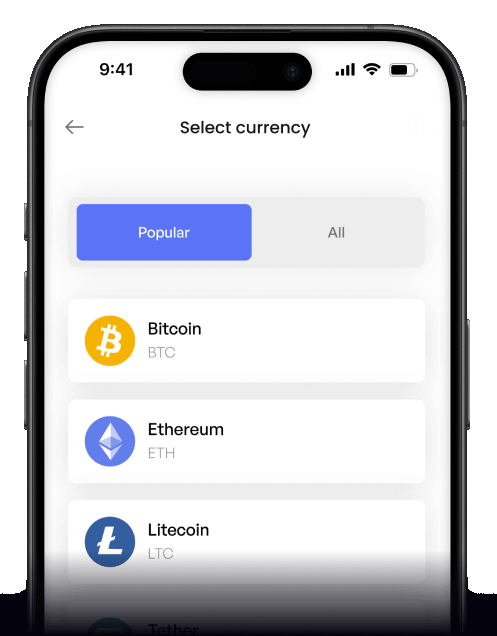
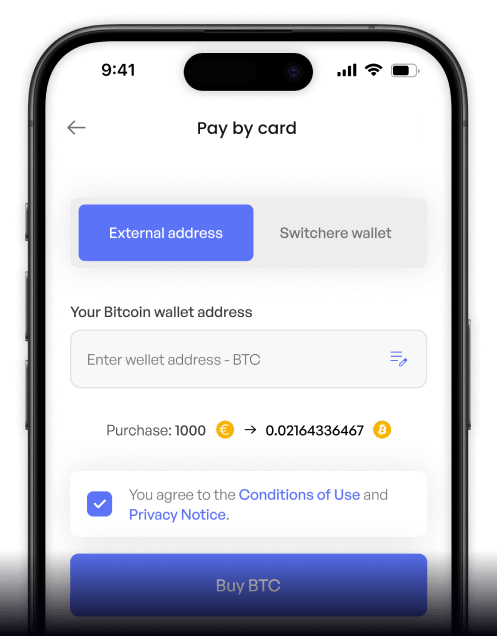
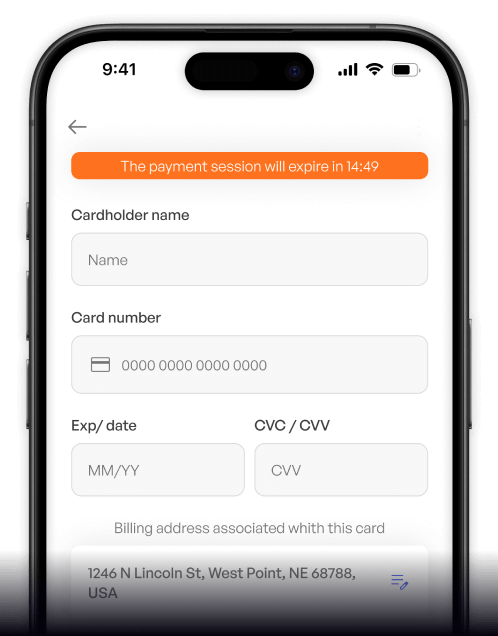
How to Buy YFI (ERC20)
 Step-by-step guidance
 Easy credit card payments
 Streamlined purchase process
 Web
Popular Coins for Saudi riyal (SAR)


Other Coins for Saudi riyal (SAR)


Frequently asked questions
-
How can I buy Yearn Finance (YFI) using Saudi Riyal (SAR)?
To exchange SAR for YFI, you typically need to use a cryptocurrency exchange that acts as a fiat on-ramp. Since direct SAR to YFI trading pairs might have lower liquidity, a common strategy is to first purchase a stablecoin (like USDT or USDC) using a local bank transfer or debit card, and then swap that digital asset for the YFI ERC-20 governance token on a secure trading platform or via a decentralized finance (DeFi) aggregator. -
What are the best payment methods to deposit SAR for purchasing YFI?
Most regional and international exchanges supporting Middle Eastern fiat gateways allow SAR deposits via standard local bank transfers, wire transfers, or credit/debit cards. When funding your account to access the Ethereum ecosystem and acquire YFI, bank transfers usually offer lower fee structures, while card purchases provide instant transaction settlement but may incur higher processing fees. Always ensure the platform complies with local KYC/AML regulations. -
What makes Yearn Finance (YFI) a unique digital asset to hold?
YFI is the native governance token of Yearn Finance, a pioneering decentralized finance (DeFi) protocol. Unlike traditional cryptocurrencies, Yearn operates as an automated yield aggregator. It uses smart contracts to automatically allocate user liquidity across various DeFi protocols (like Aave or Compound) via its signature yVaults, optimizing yield farming returns. Holding YFI grants voting rights on protocol upgrades and fee structures. -
Are there high network fees when transferring my YFI purchased with SAR?
Yes, it is important to consider network fees. Because YFI is an ERC-20 token operating on the Ethereum mainnet, moving your assets from a centralized exchange to a non-custodial digital wallet requires paying Ethereum gas fees (measured in Gwei). These fees fluctuate based on network congestion. To interact directly with Yearn's smart contract protocols and yVaults, you will also need a small balance of ETH to cover these transaction costs. -
Do I need to complete KYC verification to trade the SAR/YFI pair?
Yes, utilizing a fiat gateway to exchange Saudi Riyals for cryptocurrency almost universally requires completing Know Your Customer (KYC) and Anti-Money Laundering (AML) verification. Regulated cryptocurrency exchanges will mandate identity document submission before you can deposit SAR and access their order books. This ensures a secure trading environment and legal compliance within the jurisdiction.

Buy on the go
Anywhere. Anytime.
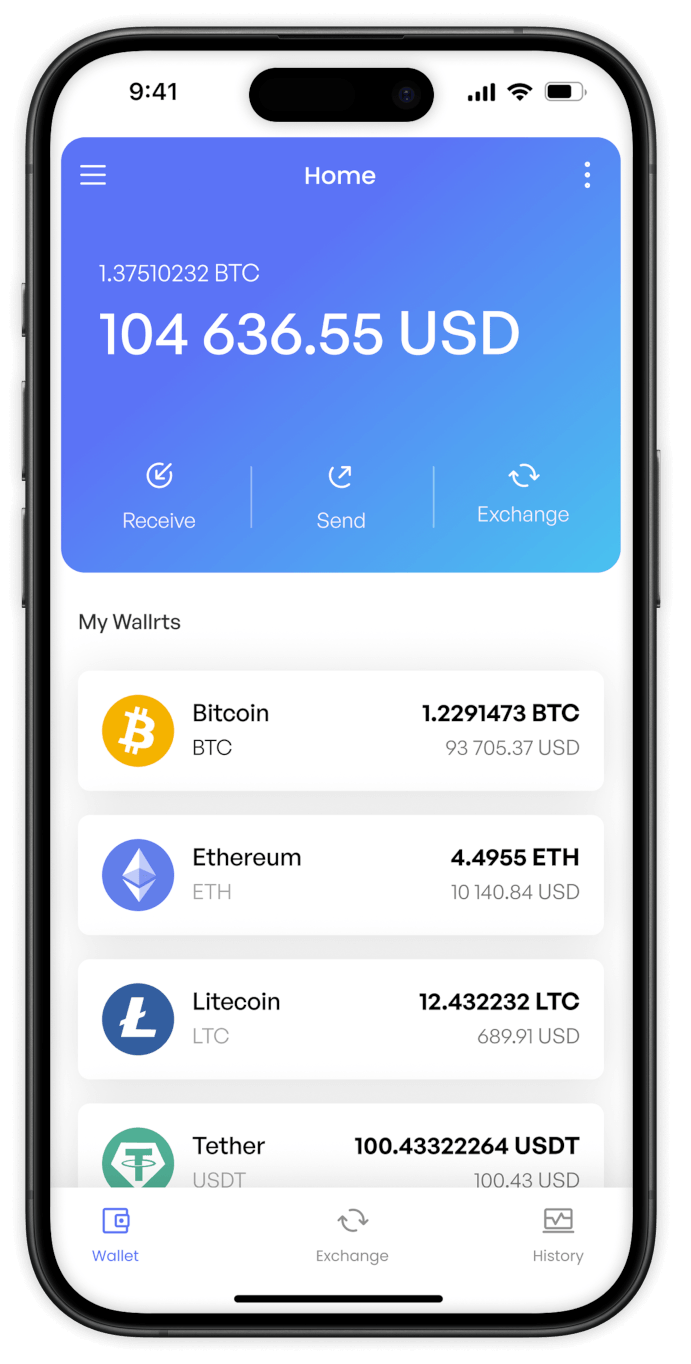
Buy crypto with your credit card from anywhere. Live rates, transparent fees, and 3D Secure on every order - the full Switchere card-buy experience in your pocket.



Scan to download the app iOS and Android