


Convert
Saudi riyal (SAR) to USDC (BSCOLD) Instantly


Purchase USDC (BSCOLD) with Saudi riyal (SAR) easily at Switchere and benefit from fast, secure transactions.
About
USDC (BSCOLD)
USD Coin (USDC) as a BEP20 token is a premier fiat-collateralized stablecoin operating natively on the BNB Smart Chain (BSC). Issued by the Centre consortium, each USDC is backed by one U.S. dollar, held in reserves of cash and short-term U.S. Treasury bonds, ensuring a stable 1:1 peg. This digital asset is fundamental to the BSC ecosystem, providing a reliable medium of exchange and a safe-haven store of value that shields users from market volatility. By tokenizing the dollar, USDC (BEP20) bridges traditional finance with the world of decentralized finance (DeFi), facilitating seamless and stable on-chain transactions across the network. Its primary role is to provide liquidity and a consistent unit of account for the burgeoning Web3 landscape.
Built on the BEP20 token standard, this version of USDC boasts full interoperability with the vast array of dApps, wallets, and smart contracts within the BNB Smart Chain. This compatibility allows it to be a cornerstone for DeFi applications, including decentralized exchanges (DEXs), lending protocols, and complex yield farming strategies. Users benefit from the core advantages of the BSC network, such as low transaction fees and fast block confirmation times, making it highly efficient for frequent peer-to-peer payments and interacting with DeFi. As a critical piece of financial infrastructure, USDC (BEP20) enhances the capital efficiency and accessibility of the entire decentralized network, cementing its status as a vital digital ledger asset.

How to Buy USDC (BSCOLD)
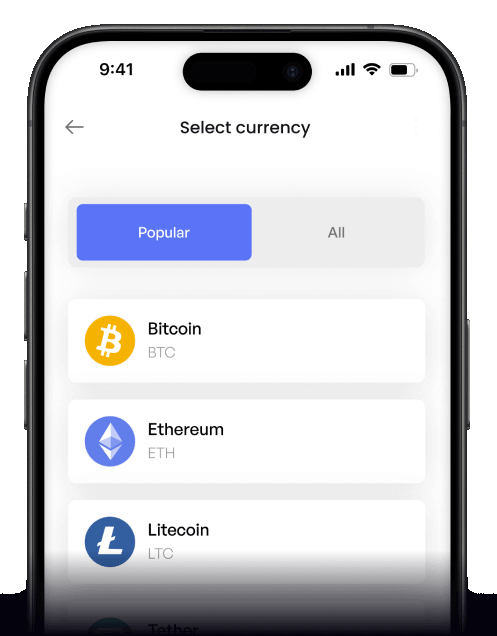
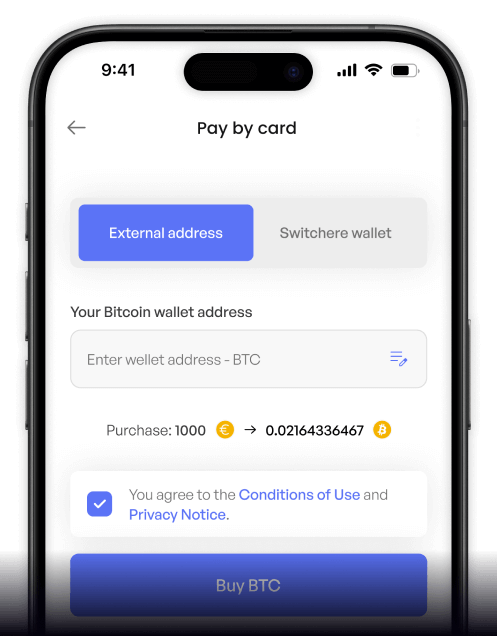
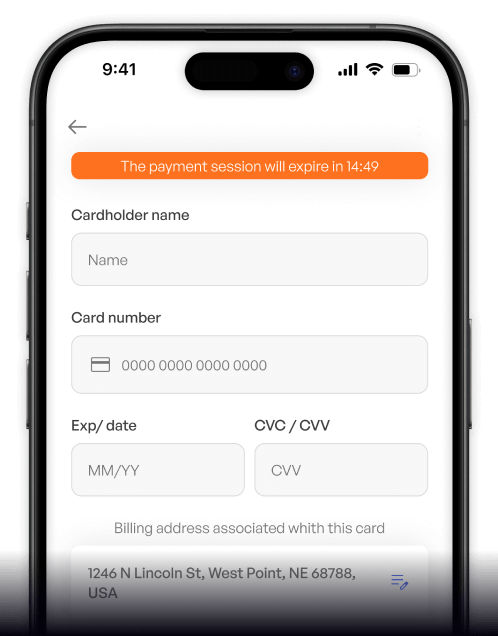
 Step-by-step guidance
 Easy credit card payments
 Streamlined purchase process
 Web
Web
Popular Coins for Saudi riyal (SAR)





Other Coins for Saudi riyal (SAR)





Frequently asked questions
-
How can I use Saudi Riyals (SAR) to purchase USDC on the BNB Smart Chain (BEP20)?
To buy USDC (BEP20) using SAR, you typically utilize a cryptocurrency exchange acting as a fiat on-ramp. After completing standard KYC/AML compliance, you can deposit Saudi Riyals via local bank transfer or credit/debit card. Once your SAR is credited, you can trade it for the stablecoin, ensuring you select the BNB Smart Chain (BEP20 network) for withdrawal to your digital wallet to benefit from low transaction costs. -
Why choose the BEP20 token standard when exchanging SAR for USD Coin (USDC)?
Selecting the BEP20 token standard on the BNB Smart Chain (BSC) offers significant technical advantages, primarily lower gas fees and faster block times compared to the ERC-20 standard. When you swap SAR for USDC (BEP20), your stablecoin liquidity becomes immediately accessible for DeFi protocols on the BSC ecosystem, allowing for efficient yield farming, staking, and smart contract interactions with minimal network congestion. -
What type of digital wallet is required to store USDC (BEP20) after converting my SAR?
After utilizing a Middle East fiat gateway to convert SAR to USDC, you must withdraw your digital assets to a Web3 wallet compatible with the BNB Smart Chain. Popular non-custodial wallets like MetaMask, Trust Wallet, or SafePal inherently support the BEP20 token standard. Ensure you add the BSC network RPC to your wallet interface and hold a small amount of BNB coin to cover the gas fees for any future on-chain transactions. -
What are the typical fees associated with a SAR to USDC (BEP20) transaction?
Transaction costs for this pair involve two main components: the fiat deposit fee (which varies whether you use a local Saudi bank transfer or a credit card) and the cryptocurrency exchange's maker/taker trading fee. Once the SAR is traded, withdrawing the USDC via the BEP20 network incurs a blockchain network fee (gas) paid in BNB. This BSC withdrawal fee is usually extremely low—often just a fraction of a cent—making it highly cost-effective compared to other Layer-1 networks. -
Is there sufficient liquidity in the SAR to USDC order book for large-volume transactions?
Direct SAR to USDC order books may have varying liquidity depending on the specific centralized exchange. To accommodate large-volume purchases, platforms often utilize an internal network routing system where SAR is first converted to a highly liquid intermediary asset like USDT, and then instantly routed to USDC. This process taps into deeper liquidity pools, ensures tighter spreads, and minimizes slippage, allowing for efficient institutional or high-volume digital asset procurement with Saudi Riyals.

Buy on the go
Anywhere. Anytime.
Buy crypto with your credit card from anywhere. Live rates, transparent fees, and 3D Secure on every order - the full Switchere card-buy experience in your pocket.



Scan to download the app iOS and Android

