


Convert
Nigerian Naira (NGN) to Loopring (LRC) Instantly


Purchase Loopring (LRC) with Nigerian Naira (NGN) easily at Switchere and benefit from fast, secure transactions.
About
Loopring (LRC)
Loopring (LRC) is a Layer-2 scaling protocol built on Ethereum, specifically engineered to power high-performance, non-custodial decentralized exchanges (DEXs) and payment applications. It directly addresses Ethereum's scalability and high gas fee issues by employing a sophisticated cryptographic method called zkRollups (Zero-Knowledge Rollups). This advanced blockchain technology allows Loopring to bundle thousands of off-chain transactions, such as trades and transfers, into a single batch. It then generates a cryptographic proof of this batch's validity, which is submitted to the Ethereum mainnet for verification. This mechanism enables massive throughput and reduces transaction fees to a fraction of on-chain costs, all while inheriting the foundational cryptographic security of the Ethereum network.
A primary function of the protocol is to support order book-based DEXs, providing a trading experience similar to centralized platforms but with the self-custody benefits of a decentralized network. The native utility token, LRC, is crucial for the ecosystem's tokenomics. It can be staked by exchange operators to run a DEX on the protocol, and stakers earn a portion of the trading fees. LRC holders can also stake their tokens to lower their own trading fees and participate in protocol governance, making it a key digital asset for building scalable Web3 infrastructure for DeFi applications.

How to Buy Loopring (LRC)
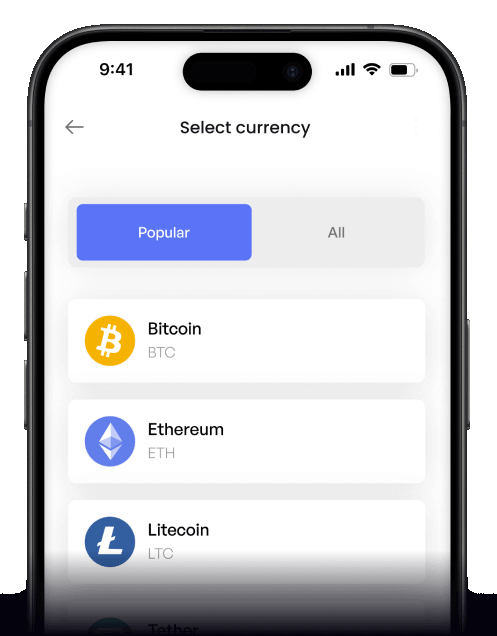
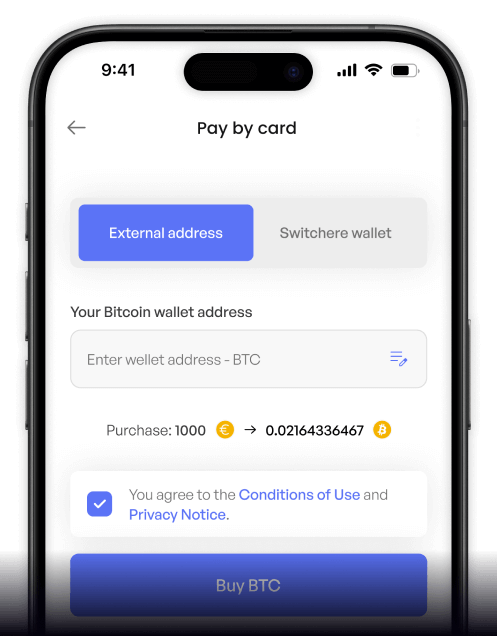
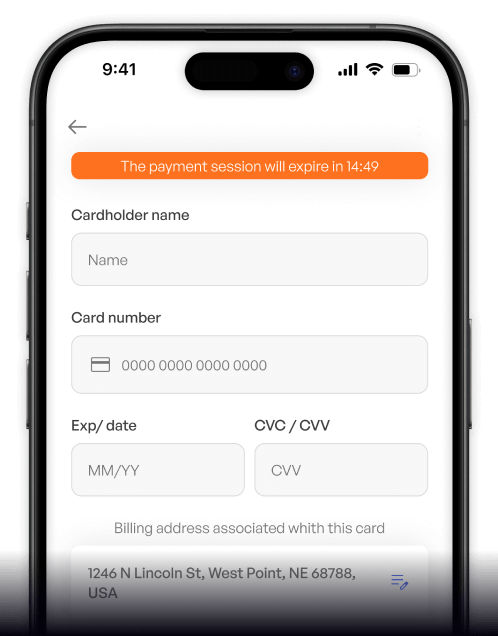
 Step-by-step guidance
 Easy credit card payments
 Streamlined purchase process
 Web
Web
Popular Coins for Nigerian Naira (NGN)




Other Coins for Nigerian Naira (NGN)







Frequently asked questions
-
What is the primary method for buying Loopring (LRC) with Nigerian Naira (NGN)?
Due to local banking regulations in Nigeria, the most common fiat on-ramp to acquire LRC with NGN is through Peer-to-Peer (P2P) trading platforms. Users typically buy a stablecoin like USDT or BUSD with NGN via a direct bank transfer to a P2P vendor, and then trade that stablecoin for LRC on a cryptocurrency exchange's spot market. -
What is Loopring's core technology and why is it relevant for traders?
Loopring is an Ethereum Layer-2 scaling protocol that uses zkRollup technology. For traders, this is significant because it enables high-throughput, low-cost transactions on a decentralized exchange (DEX). This means users can trade on an order book DEX with performance similar to centralized exchanges but without sacrificing self-custody of their digital assets. -
What are the common risks when using NGN P2P platforms to get LRC?
When using P2P platforms for NGN transactions, the primary risks involve counterparty risk and payment fraud. It's crucial to trade only with vendors who have a high completion rate and positive feedback. Always use the platform's escrow service and never release your crypto before confirming the NGN bank transfer has been successfully received in your account. Ensure the sender's name matches their verified KYC information on the platform. -
Can I store LRC purchased with NGN in the native Loopring Wallet?
Yes, absolutely. After acquiring LRC on a centralized exchange, it is highly recommended to move your digital assets to a self-custody wallet for security. The native Loopring Wallet is an excellent choice as it's a smart contract wallet that provides direct access to the Loopring L2 ecosystem, allowing you to trade, stake, and interact with dApps with near-zero gas fees. -
What utility does the LRC token have within the Loopring ecosystem?
The LRC token is central to the Loopring protocol. Its primary utilities include staking by DEX owners to reduce protocol fees on their exchange, staking by any user to earn a portion of the protocol fees, and serving as a governance token for future updates. Holding a certain amount of LRC can also lower trading fees on the Loopring DEX.

Buy on the go
Anywhere. Anytime.
Buy crypto with your credit card from anywhere. Live rates, transparent fees, and 3D Secure on every order - the full Switchere card-buy experience in your pocket.



Scan to download the app iOS and Android

