Convert
NGN to LINK Instantly
Nigerian Naira to Chainlink (ERC20) at the real-time exchange rate


Purchase LINK (ERC20) with Nigerian Naira (NGN) easily at Switchere and benefit from fast, secure transactions.
About
LINK (ERC20)
Using a reliable NGN to LINK converter is essential for Nigerian users looking to participate in the decentralized oracle ecosystem. The LINK to NGN rate fluctuates continuously, influenced by the global liquidity of Chainlink, the volatility of the cryptocurrency markets, and the macroeconomic factors affecting the Nigerian Naira. When you buy Chainlink with NGN, the exchange rate reflects these real-time market dynamics. As a critical fiat on-ramp, this conversion pair connects Nigeria's active digital economy to smart contract infrastructure.
Converting Naira into Chainlink typically involves local payment methods tailored to the Nigerian market. Bank transfers, peer-to-peer (P2P) trading platforms, and mobile money services are common, while debit or credit card payments may be subject to regional banking restrictions and standard KYC/AML verification protocols. These payment gateways ensure secure and compliant transitions from fiat to digital assets.
Before completing an NGN to LINK exchange, ensure you have a compatible cryptocurrency wallet. Because Chainlink is an ERC-20 token built on the Ethereum blockchain, you must provide a valid Ethereum wallet address. Keep in mind that receiving your tokens requires network confirmations, and you will need to account for Ethereum gas fees during the transaction. Whether you are a developer integrating oracle services or a local enthusiast, this fiat-to-crypto gateway provides direct access to the LINK network.

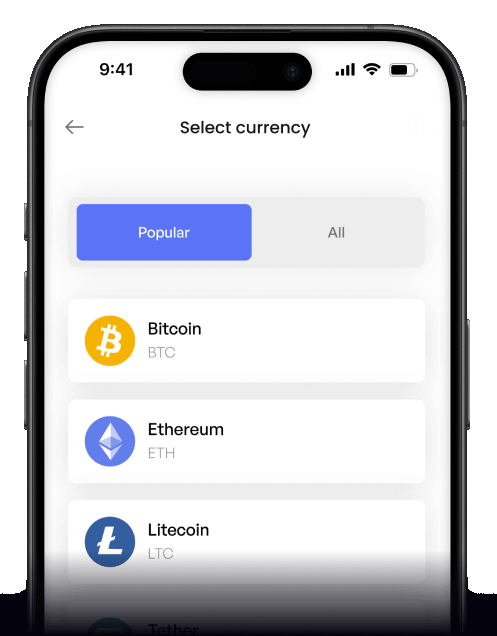
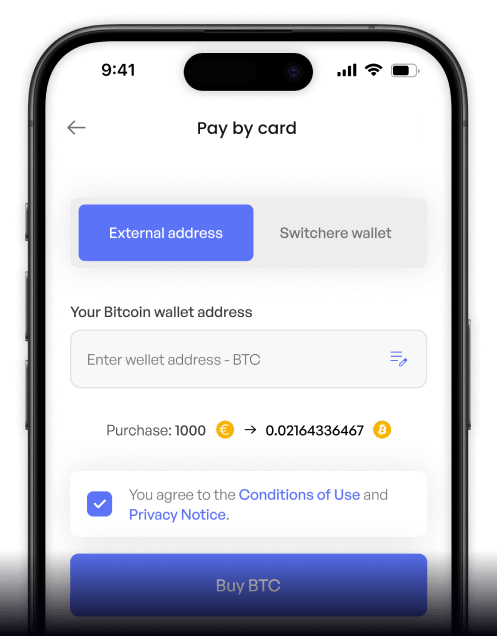
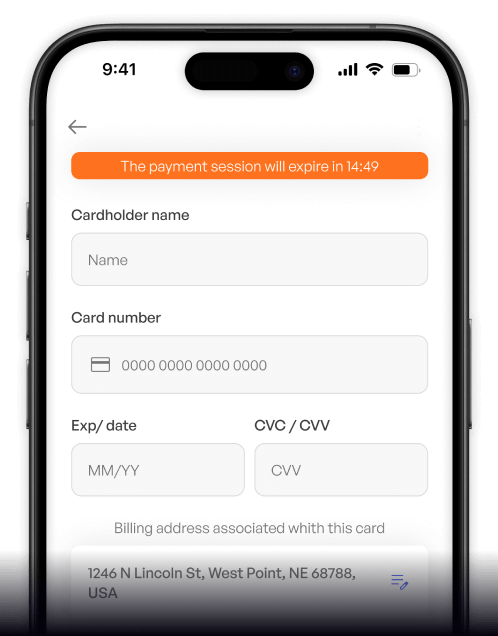
How to Buy LINK (ERC20)
 Step-by-step guidance
 Easy credit card payments
 Streamlined purchase process
 Web
Popular Coins for Nigerian Naira (NGN)


Other Coins for Nigerian Naira (NGN)


Frequently asked questions
-
What are the common methods for buying Chainlink (LINK) with Nigerian Naira (NGN)?
Due to local banking regulations, the most prevalent fiat on-ramp to acquire LINK with NGN is through peer-to-peer (P2P) marketplaces on major cryptocurrency exchanges. Users typically buy a stablecoin like USDT with NGN via a local bank transfer, and then trade that stablecoin for LINK on the exchange's spot market. This multi-step process is a common solution for navigating the NGN digital asset purchase landscape and gaining access to LINK's decentralized oracle network. -
What is the core function of Chainlink's decentralized oracle network for smart contracts?
Chainlink's primary function is to serve as a decentralized oracle network (DON) that reliably connects blockchain-based smart contracts with real-world, off-chain data. Blockchains cannot natively access external information. Chainlink solves this by providing secure data feeds, access to any web API, and verifiable randomness, enabling the creation of advanced hybrid smart contracts for DeFi, gaming, insurance, and more. The LINK token is used to pay node operators for these critical services. -
What security precautions are vital when using a P2P platform to trade NGN for LINK?
When engaging in P2P trading, always use a reputable cryptocurrency exchange that offers an escrow service. This service holds the crypto until the NGN bank transfer is confirmed by the seller. Verify the counterparty's reputation and trade history. Enable two-factor authentication (2FA) on your account for an extra layer of security. After acquiring your LINK, consider moving it from the exchange to a secure, non-custodial digital wallet where you control the private keys to mitigate counterparty risk. -
What are the typical fees when processing a NGN to LINK transaction?
The fee structure is multi-layered. First, on P2P platforms, there may be zero fees for the taker but payment processor fees from your bank might apply. Second, when you trade the acquired stablecoin for LINK on the spot market, the exchange will charge a trading fee (maker or taker fee), usually a small percentage of the transaction volume. Finally, if you withdraw your LINK to an external wallet, you will incur a blockchain network fee (gas fee), as LINK is predominantly an ERC-20 token on the Ethereum network. -
How does Chainlink's Cross-Chain Interoperability Protocol (CCIP) enhance its utility?
Chainlink CCIP provides a universal, open standard for developers to build secure applications and services that can send messages, transfer tokens, and initiate actions across different blockchain networks. This solves the significant problem of blockchain fragmentation. By enabling seamless cross-chain communication, CCIP vastly expands the addressable market for dApps using Chainlink services, thereby increasing the overall demand and utility of the entire ecosystem and the native LINK token.

Buy on the go
Anywhere. Anytime.
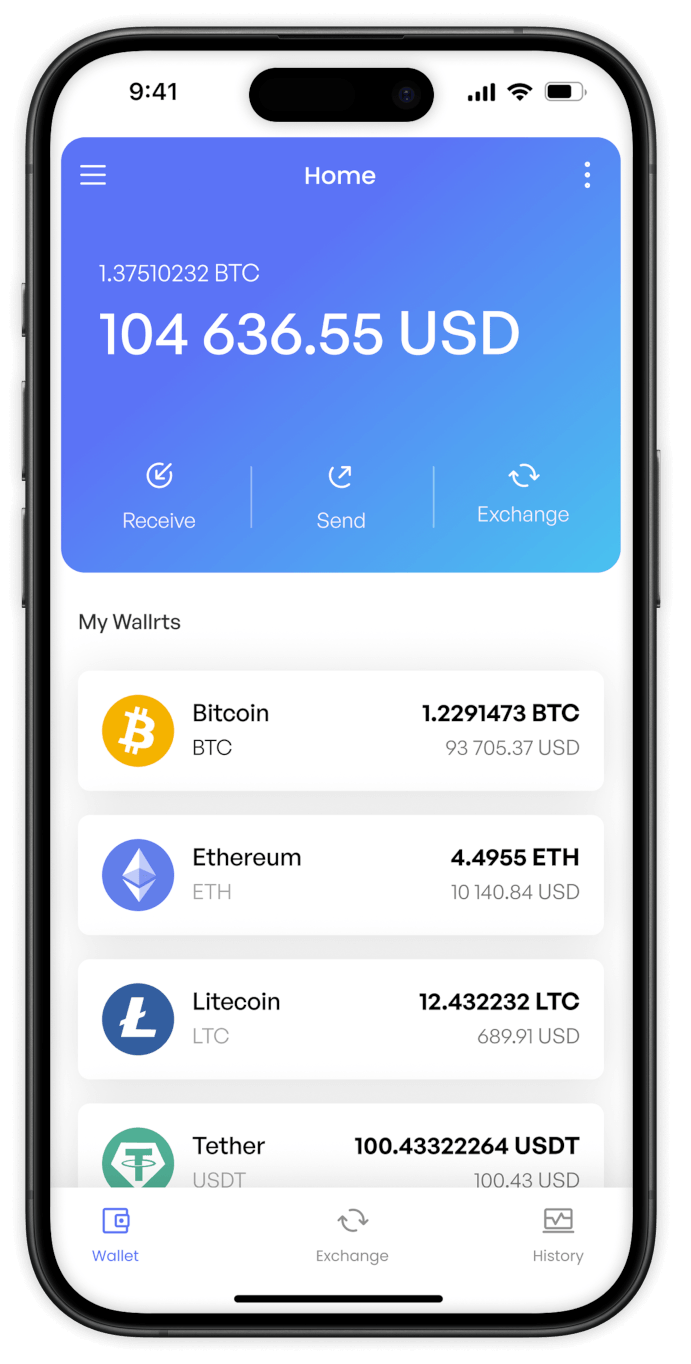
Buy crypto with your credit card from anywhere. Live rates, transparent fees, and 3D Secure on every order - the full Switchere card-buy experience in your pocket.



Scan to download the app iOS and Android