Convert
NGN to STORJ Instantly
Nigerian Naira to Storj (ERC20) at the real-time exchange rate


Purchase STORJ (ERC20) with Nigerian Naira (NGN) easily at Switchere and benefit from fast, secure transactions.
About
STORJ (ERC20)
Tracking the STORJ to NGN rate is essential for Nigerian users looking to participate in decentralized cloud storage solutions. This exchange rate reflects the ongoing market liquidity of the NGN/STORJ trading pair, influenced by both the local valuation of the Nigerian Naira and the global volatility of the cryptocurrency market. Utilizing a reliable NGN to STORJ converter ensures you get accurate, real-time pricing before executing a trade.
When you buy STORJ with NGN, transactions often occur via local bank transfers or peer-to-peer (P2P) fiat on-ramp platforms common in Nigeria, along with standard debit card options. Regulatory compliance dictates that most exchanges require standard KYC/AML verification for Naira deposits.
Because Storj operates primarily as an ERC-20 token on the Ethereum blockchain, securing your assets requires an Ethereum-compatible wallet address. Buyers should account for network gas fees during the transfer process, which can impact the final amount received. Whether you are providing storage node resources or utilizing the decentralized network, monitoring this specific fiat-to-crypto gateway helps manage your digital asset portfolio effectively.

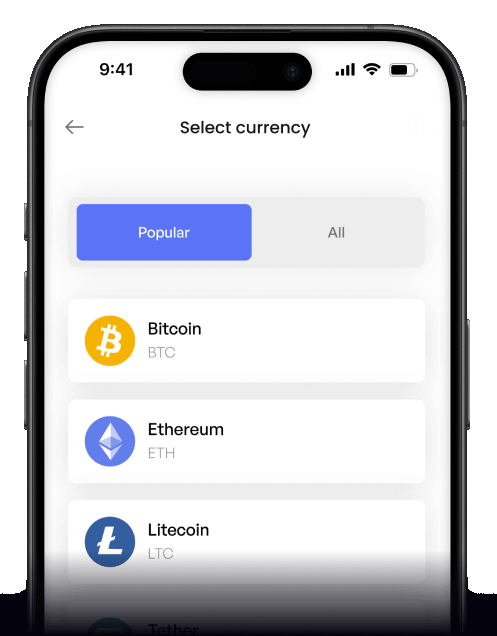
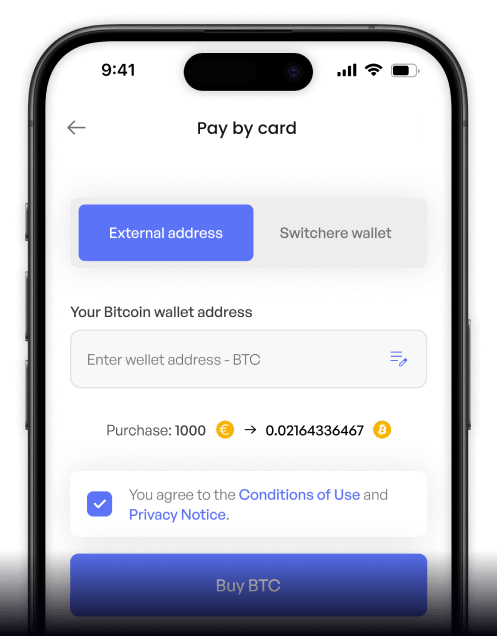
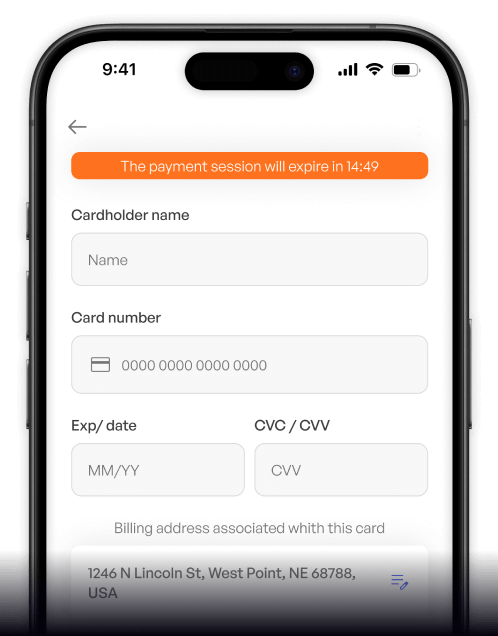
How to Buy STORJ (ERC20)
 Step-by-step guidance
 Easy credit card payments
 Streamlined purchase process
 Web
Popular Coins for Nigerian Naira (NGN)


Other Coins for Nigerian Naira (NGN)


Frequently asked questions
-
What is the NGN/STORJ trading pair and what does it represent?
The NGN/STORJ pair represents the direct exchange rate between the Nigerian Naira (NGN) and the STORJ token. It's a fiat on-ramp allowing users to purchase STORJ, the utility token for the Storj Decentralized Cloud Storage (DCS) network, directly with their local currency. This is significant for developers and users in Nigeria who wish to pay for object storage or earn rewards as storage node operators on a distributed network without first converting NGN to a major cryptocurrency like BTC or ETH. -
What are the most common ways to purchase STORJ with Nigerian Naira (NGN)?
Due to local banking regulations in Nigeria, the primary method for purchasing STORJ with NGN is through peer-to-peer (P2P) markets on major cryptocurrency exchanges. Users can connect directly with vendors, making payments via Nigerian bank transfer or other local payment methods. Some local Nigerian exchanges may also offer direct fiat gateways, but P2P trading platforms generally provide greater liquidity and more competitive rates for the NGN/STORJ pair. -
What technical details about the STORJ token should I know before a transaction?
STORJ is primarily an ERC-20 token operating on the Ethereum blockchain. This means that when you withdraw STORJ from an exchange to a personal digital wallet, the transaction will occur on the Ethereum network and will require an Ethereum network fee (gas). Its core function is as a utility token for payments between users (via the Uplink client) and storage node operators within the Storj DCS ecosystem, which leverages data sharding and end-to-end encryption for security. -
Are there specific fees to consider when trading NGN for STORJ?
Yes. When using a P2P platform, there might be a small trading fee charged by the exchange. The NGN payment leg may incur standard bank transfer fees from your Nigerian bank. After acquiring STORJ, the most significant fee is the Ethereum gas fee required to move the ERC-20 tokens from the exchange to your secure, non-custodial wallet. This fee fluctuates based on Ethereum network congestion. -
How does Storj's S3 compatibility create value for those buying with NGN?
Storj's S3 compatibility is a key technical feature. It means that applications built to use Amazon S3 object storage can be reconfigured to use the Storj DCS network with minimal code changes. For Nigerian developers or businesses buying STORJ with NGN, this provides a direct, cost-effective, and more private fiat on-ramp to a decentralized cloud storage alternative. They can use their local currency to access a global, distributed storage network that integrates easily with existing development workflows.

Buy on the go
Anywhere. Anytime.
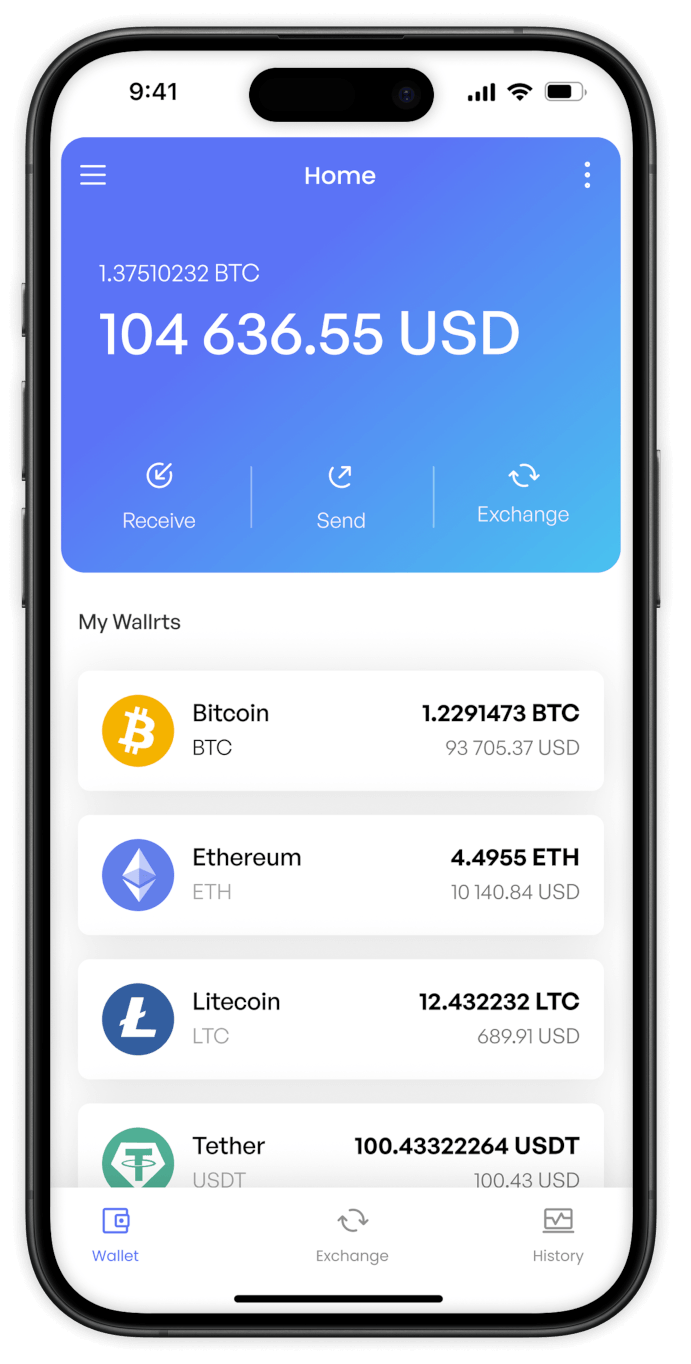
Buy crypto with your credit card from anywhere. Live rates, transparent fees, and 3D Secure on every order - the full Switchere card-buy experience in your pocket.



Scan to download the app iOS and Android