


Convert
Nigerian Naira (NGN) to USDC (ARB) Instantly


Purchase USDC (ARB) with Nigerian Naira (NGN) easily at Switchere and benefit from fast, secure transactions.
About
USDC (ARB)
USD Coin (USDC) on Arbitrum represents a crucial piece of Web3 infrastructure, functioning as a fiat-collateralized stablecoin specifically bridged to this prominent Layer 2 scaling solution. Issued by Circle and governed by the Centre consortium, each USDC token is designed to maintain a 1:1 peg with the U.S. Dollar, backed by fully reserved assets. Its presence on the Arbitrum One network directly addresses the scalability challenges of the Ethereum mainnet, such as high gas fees and slower transaction speeds. By leveraging Arbitrum's optimistic rollup technology, USDC transactions become significantly faster and more cost-effective, enhancing its utility as a digital asset for everyday commerce and DeFi applications.
Within the burgeoning Arbitrum ecosystem, USDC serves as a foundational digital asset and a primary medium of exchange. It is extensively used as collateral in lending and borrowing protocols, provides liquidity in decentralized exchanges (DEXs), and acts as a stable unit of account for yield farming and other DeFi strategies. The ability to move this stable value efficiently across a high-throughput blockchain makes it indispensable for users interacting with dApps on the network. This version of USDC is essential for anyone seeking to participate in Arbitrum's DeFi landscape while avoiding the volatility of other cryptographic assets and the high transaction costs of the Ethereum base layer.

How to Buy USDC (ARB)
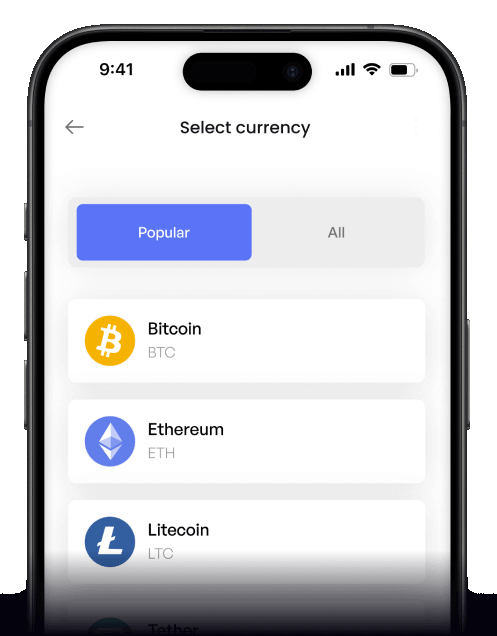
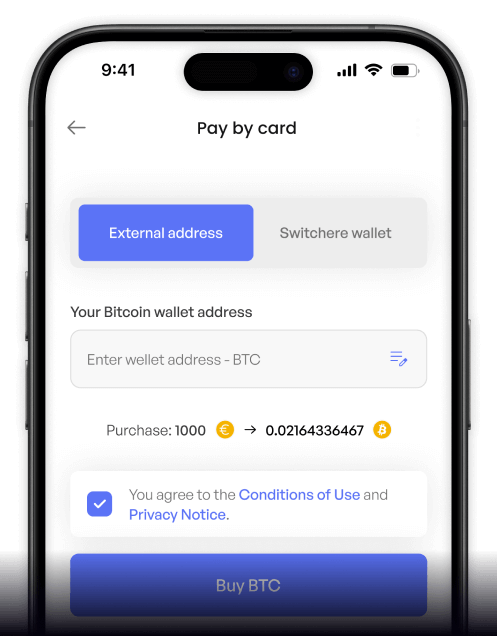
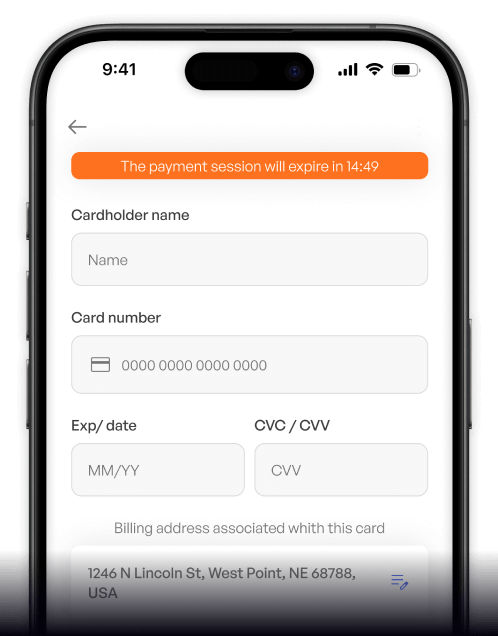
 Step-by-step guidance
 Easy credit card payments
 Streamlined purchase process
 Web
Web
Popular Coins for Nigerian Naira (NGN)




Other Coins for Nigerian Naira (NGN)




Frequently asked questions
-
What exactly is the NGN to USDC (ARB) trading pair?
The NGN to USDC (ARB) pair represents the direct conversion of Nigerian Naira (NGN) into USD Coin (USDC), specifically on the Arbitrum network. This acts as a crucial fiat on-ramp, allowing users to acquire a stablecoin on an Ethereum Layer-2 scaling solution. The primary benefit is gaining exposure to a USD-pegged digital asset while leveraging Arbitrum's low transaction fees and fast confirmation times to interact with its growing ecosystem of dApps. -
What are the common methods to buy Arbitrum USDC with NGN?
Due to local banking regulations in Nigeria, peer-to-peer (P2P) trading platforms are a primary method for this fiat gateway. Users can perform a bank transfer to a P2P merchant who then releases the USDC (ARB) to their digital wallet. Some global cryptocurrency exchanges that maintain NGN services may also offer direct purchase via card or bank deposit, though P2P often provides greater liquidity and more competitive rates for this specific digital asset purchase. -
Why should I choose USDC on Arbitrum over the Ethereum mainnet?
The primary advantages are significantly lower gas fees and faster transaction speeds. Arbitrum is an EVM-compatible Layer-2 scaling solution that processes transactions off the main Ethereum chain, bundling them before settling on Layer 1. This drastically reduces the cost (gas) for each individual transaction—such as a token swap or DeFi interaction—making the network much more accessible and cost-effective for frequent use compared to the often-congested and expensive Ethereum mainnet. -
How can I securely store my Arbitrum USDC after a transaction?
To securely store your USDC on Arbitrum, you must use a self-custody digital wallet that supports the Arbitrum One network. Popular software wallets like MetaMask or Trust Wallet are suitable choices. First, ensure you have added the Arbitrum network to your wallet. Then, withdraw the USDC from the exchange to your wallet's address on the Arbitrum network. Always double-check the network selection and wallet address. For maximum security, safeguard your seed phrase offline and never share it. -
Are there specific KYC/AML requirements for NGN to USDC (ARB) transactions?
Yes, almost all reputable platforms facilitating NGN fiat on-ramps, including centralized cryptocurrency exchanges and formal P2P marketplaces, require users to complete Know Your Customer (KYC) and adhere to Anti-Money Laundering (AML) compliance. This typically involves submitting a government-issued ID and proof of address. These regulatory requirements are in place to prevent illicit activities and enhance the security of the trading environment for all users.

Buy on the go
Anywhere. Anytime.
Buy crypto with your credit card from anywhere. Live rates, transparent fees, and 3D Secure on every order - the full Switchere card-buy experience in your pocket.


Scan to download the app iOS and Android

