


- Casa
- Convertidor
- Nigerian Naira (NGN) a NEAR Protocol (NEAR)

Convertir
Nigerian Naira (NGN) a NEAR Protocol (NEAR) al instante


Compre NEAR Protocol (NEAR) con Nigerian Naira (NGN) fácilmente en Switchere y benefíciese de transacciones rápidas y seguras.
Acerca de
NEAR Protocol (NEAR)
El Protocolo NEAR es una plataforma de desarrollo descentralizada que opera en una blockchain de capa 1 fragmentada (sharded) y con Prueba de Participación (PoS). Está diseñado para abordar el trilema de la blockchain centrándose en la escalabilidad, los bajos costos de transacción y una usabilidad superior. La innovación principal es Nightshade sharding, un diseño dinámico que paraleliza el cómputo a través de múltiples fragmentos, permitiendo que la red escale su capacidad a medida que se unen más nodos. Esta arquitectura, junto con el mecanismo de consenso Doomslug, garantiza una rápida finalidad de las transacciones y una sólida seguridad criptográfica. Como infraestructura fundamental de Web3, NEAR ofrece un entorno de alto rendimiento y neutro en carbono para construir y desplegar potentes aplicaciones descentralizadas (dApps).
Haciendo hincapié en la experiencia del desarrollador y del usuario, NEAR presenta nombres de cuenta legibles por humanos, que simplifican las interacciones en la cadena al reemplazar las complejas direcciones de billetera. La plataforma reduce la barrera de entrada para los desarrolladores de Web2 al admitir lenguajes de programación familiares como Rust y AssemblyScript. El token de utilidad nativo, NEAR, es fundamental para su tokenómica, utilizándose para pagar las tarifas de transacción y el almacenamiento de datos, para hacer staking y participar en la seguridad de la red, y como token de gobernanza para las actualizaciones del protocolo. Con soluciones de interoperabilidad como el Rainbow Bridge hacia Ethereum y la Aurora EVM para compatibilidad, NEAR se está estableciendo como una puerta de entrada completa y fácil de usar a DeFi y al ecosistema Web3 más amplio.

Cómo comprar NEAR Protocol (NEAR)
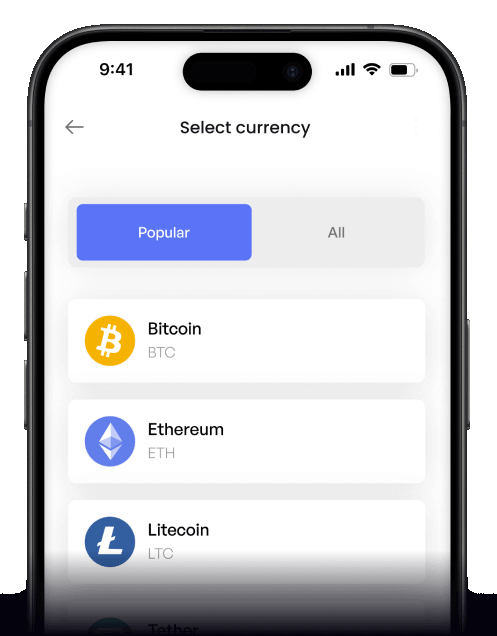
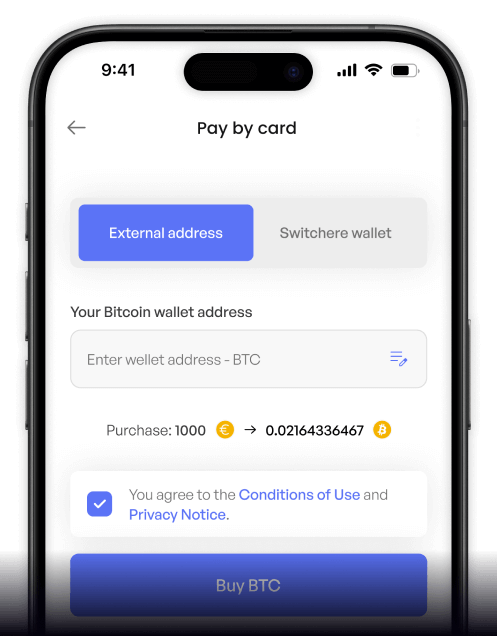
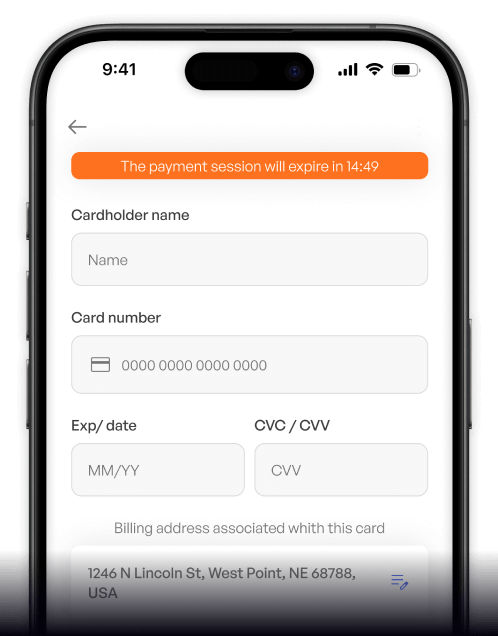
 Guía paso a paso
 Facilidad de pago con tarjeta de crédito
 Proceso de compra simplificado
 Web
Web
Monedas populares para Nigerian Naira (NGN)




Otras monedas para Nigerian Naira (NGN)









Preguntas más frecuentes
-
¿Cuáles son los métodos comunes para comprar NEAR Protocol (NEAR) con Naira nigeriana (NGN)?
El método más común para convertir NGN a NEAR es a través de mercados peer-to-peer (P2P) en las principales bolsas de criptomonedas. Debido a las regulaciones bancarias locales, las rampas de entrada de fiat directas pueden ser complicadas. Las plataformas P2P le permiten comerciar de forma segura con comerciantes verificados utilizando métodos de pago locales como transferencias bancarias nigerianas. Complete siempre la verificación KYC/AML en una bolsa de confianza para un comercio seguro. -
¿Cuáles son las características técnicas clave de NEAR Protocol, como su mecanismo de sharding?
NEAR Protocol utiliza un enfoque de sharding único llamado Nightshade, que permite a la blockchain escalar dividiendo el cálculo en shards paralelos. Esto mejora el rendimiento y mantiene bajas las comisiones por transacción. También utiliza un mecanismo de consenso de Prueba de Participación (Proof-of-Stake) llamado Doomslug para una rápida finalidad de bloque y cuenta con nombres de cuenta legibles por humanos (por ejemplo, 'sunombre.near'), lo que hace que el activo digital sea más fácil de usar. -
Una vez que compre NEAR con NGN, ¿qué tipo de billetera digital se recomienda para el almacenamiento seguro y el staking?
Para el almacenamiento seguro de su activo digital NEAR, se recomienda encarecidamente utilizar la billetera oficial de NEAR o una billetera no custodiada de buena reputación que sea compatible con la blockchain de NEAR. Estas billeteras le dan control total sobre sus claves privadas. Además, proporcionan una interfaz fácil de usar para hacer staking de NEAR directamente desde su billetera, lo que le permite participar en la seguridad de la red de Prueba de Participación y ganar recompensas. -
¿Cómo se conecta NEAR Protocol con otras blockchains como Ethereum?
NEAR logra la interoperabilidad con Ethereum a través del Rainbow Bridge, un protocolo sin confianza para transferir activos y datos entre las dos cadenas. Además, NEAR cuenta con Aurora, una capa de compatibilidad con EVM (Ethereum Virtual Machine). Esto permite a los desarrolladores implementar sus contratos inteligentes y dApps de Ethereum existentes en la red de alto rendimiento y bajo costo de NEAR con cambios mínimos, facilitando una interacción fluida entre cadenas. -
¿Existen requisitos KYC específicos al usar una rampa de entrada de fiat NGN para comprar NEAR?
Sí, cualquier bolsa de criptomonedas o plataforma P2P de buena reputación que facilite las transacciones de NGN a NEAR requerirá el cumplimiento de KYC/AML (Conozca a su Cliente/Anti-Lavado de Dinero). Para los usuarios nigerianos, esto generalmente implica presentar una identificación emitida por el gobierno (como una tarjeta de identidad nacional, pasaporte o licencia de conducir) y, a menudo, su Número de Verificación Bancaria (BVN) para verificar su identidad. Esta es una medida de seguridad estándar para prevenir el fraude y cumplir con las regulaciones.

Compra desde cualquier lugar
En cualquier lugar. En cualquier momento.
Compra criptomonedas con tu tarjeta de crédito desde cualquier lugar. Tipos de cambio en tiempo real, comisiones transparentes y 3D Secure en cada pedido: toda la experiencia de compra con tarjeta de Switchere en tu bolsillo.



Escanea el código para descargar la aplicación para iOS y Android

