Convert
NGN to RPL Instantly
Nigerian Naira to Rocket Pool (ERC20) at the real-time exchange rate


Purchase RPL (ERC20) with Nigerian Naira (NGN) easily at Switchere and benefit from fast, secure transactions.
About
RPL (ERC20)
Understanding the RPL to NGN rate is essential for Nigerian users looking to participate in decentralized Ethereum staking. The NGN to RPL converter reflects real-time market conditions, influenced by the liquidity of Rocket Pool and the broader valuation of the Nigerian Naira. When evaluating this fiat-crypto pair, the exchange rate fluctuates based on global crypto market volatility and local economic factors impacting the Naira. Rocket Pool serves as a leading liquid staking protocol, and RPL acts as its governance and utility token.
To buy RPL with NGN, users typically utilize a fiat on-ramp that supports local payment methods such as bank transfers, mobile money, or peer-to-peer (P2P) networks, adhering to standard KYC and AML regulations. Since RPL operates primarily as an ERC-20 token on the Ethereum blockchain, converting your Naira requires a compatible Web3 wallet address. Be mindful of Ethereum network fees, often referred to as gas, which can affect the total cost of your transaction. Processing times vary depending on network congestion, but acquiring RPL directly against NGN provides Nigerian residents with seamless access to advanced DeFi ecosystems.

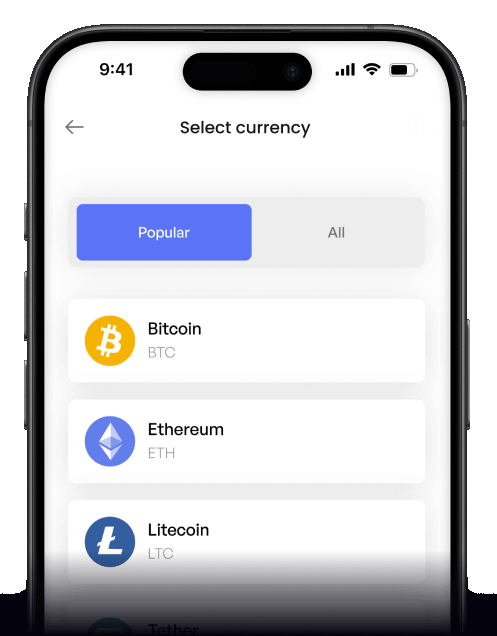
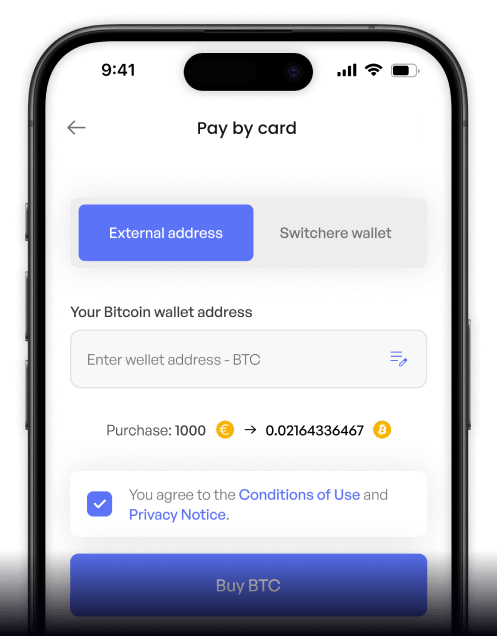
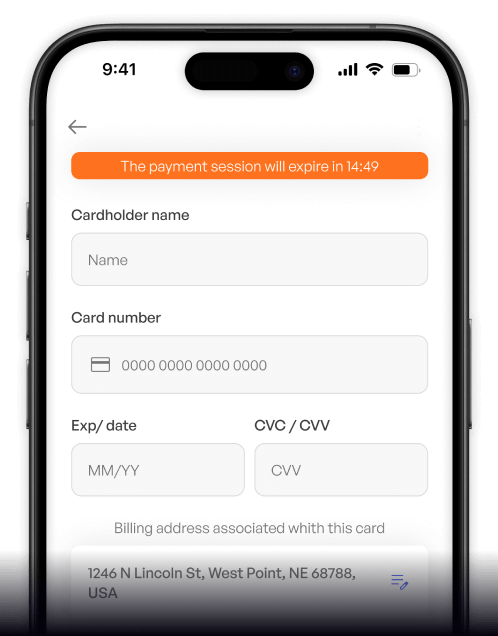
How to Buy RPL (ERC20)
 Step-by-step guidance
 Easy credit card payments
 Streamlined purchase process
 Web
Popular Coins for Nigerian Naira (NGN)


Other Coins for Nigerian Naira (NGN)


Frequently asked questions
-
What exactly is the NGN/RPL trading pair and why is it important for users in Nigeria?
The NGN/RPL pair represents a direct fiat on-ramp for converting Nigerian Naira (NGN) into Rocket Pool's native token (RPL). Its importance lies in providing direct access to the Rocket Pool ecosystem, a leading decentralized staking protocol for Ethereum. This allows Nigerian users to acquire RPL, which is essential for participating in governance or for node operators to stake as insurance collateral when running a minipool to earn Ethereum staking rewards. -
What are the most common ways to buy Rocket Pool (RPL) with Nigerian Naira?
Primarily, purchasing RPL with NGN is done through peer-to-peer (P2P) markets on major cryptocurrency exchanges. Users can find sellers offering RPL or a base currency like USDT for NGN, completing the transaction via local Nigerian bank transfers. Direct NGN/RPL order book trading is less common, so the typical route involves an NGN-to-stablecoin transaction first, followed by a stablecoin-to-RPL trade on the same platform, ensuring KYC/AML compliance is met. -
What are the key functions of the RPL token within the Rocket Pool protocol?
The RPL token has two primary functions. First, it serves as an insurance collateral for node operators. To run a minipool and validate transactions on Ethereum, operators must stake a certain amount of RPL alongside the ETH, which protects the protocol from penalties. Second, RPL is the governance token for the Rocket Pool DAO (Decentralized Autonomous Organization), allowing holders to vote on protocol upgrades and parameter changes, directly influencing the future of this liquid staking solution. -
Are there specific KYC requirements when using NGN for a digital asset purchase like RPL?
Yes, all reputable cryptocurrency exchanges and P2P platforms that facilitate NGN fiat on-ramps enforce mandatory Know Your Customer (KYC) and Anti-Money Laundering (AML) compliance. This identity verification process is a regulatory standard and typically requires users to submit a government-issued ID, and sometimes a Bank Verification Number (BVN) or proof of address, to ensure secure trading and prevent illicit activities. -
What kind of fees should I expect when converting NGN to RPL tokens?
When converting NGN to RPL, you'll likely encounter several fees. On P2P platforms, the fee is often built into the exchange rate spread. On centralized exchanges, there will be a trading fee for the NGN-to-crypto transaction. Finally, since RPL is an ERC-20 token, withdrawing it from the exchange to a secure digital wallet will incur an Ethereum network gas fee. This blockchain transaction fee varies based on network congestion.

Buy on the go
Anywhere. Anytime.
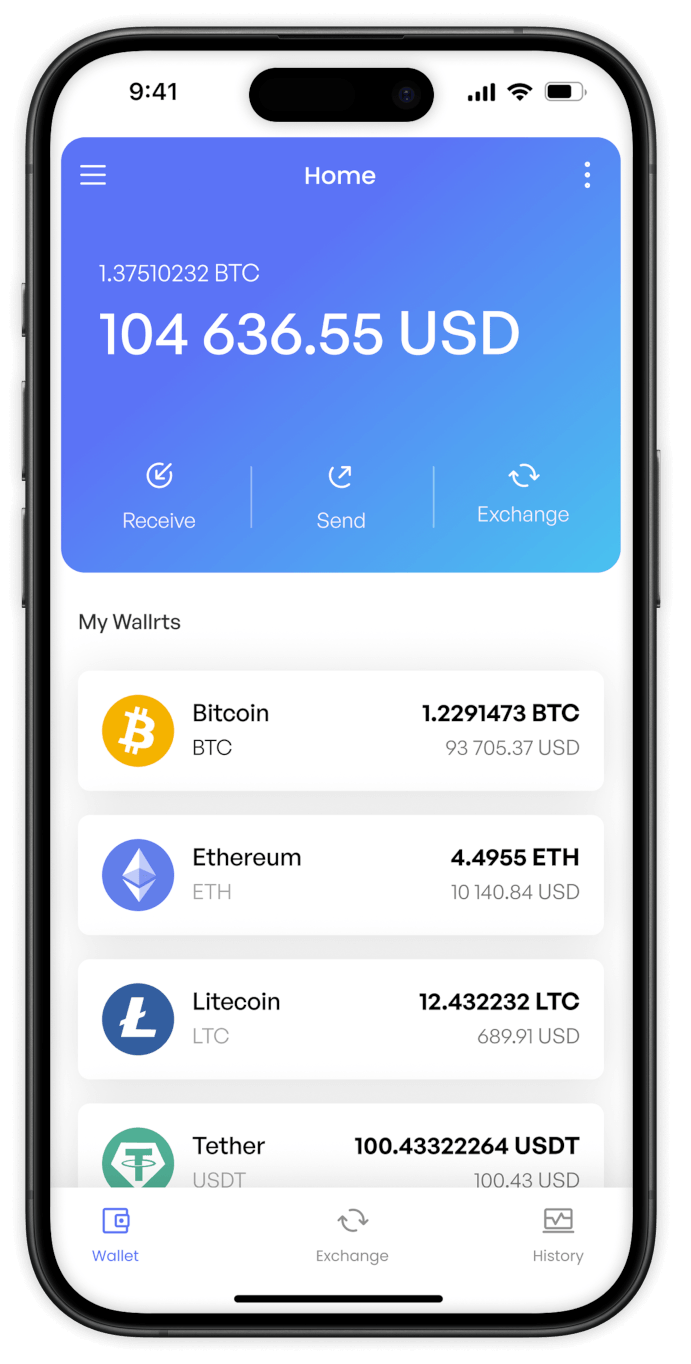
Buy crypto with your credit card from anywhere. Live rates, transparent fees, and 3D Secure on every order - the full Switchere card-buy experience in your pocket.



Scan to download the app iOS and Android