Convert
NGN to GRAM Instantly
Nigerian Naira to Gram (prev. Toncoin) (GRAM) at the real-time exchange rate


Purchase GRAM (GRAM) with Nigerian Naira (NGN) easily at Switchere and benefit from fast, secure transactions.
About
GRAM (GRAM)
Tracking the GRAM to NGN rate is essential for Nigerian users looking to participate in the growing TON blockchain ecosystem. This specific exchange rate reflects the dynamic relationship between the Nigerian Naira and Gram, a prominent token on the Open Network. The NGN to GRAM converter provides real-time valuations influenced by local Nigerian market liquidity, global cryptocurrency volatility, and the fluctuating international standing of the Naira.
When planning to buy GRAM with NGN, understanding the available fiat on-ramp options is crucial. Nigerian residents typically utilize local bank transfers, mobile money, or secure peer-to-peer (P2P) platforms to fund these transactions, adhering to regional KYC and AML guidelines. Using bank cards might be subject to local banking regulations regarding foreign exchange.
Before executing a conversion, ensure you have a compatible TON wallet address to receive your assets. Transactions on the TON network are known for rapid confirmation times and minimal network fees, making it highly efficient. Whether you are a local developer building Telegram-integrated mini-apps or a user exploring decentralized finance in Africa, monitoring the NGN/GRAM exchange rate ensures you can seamlessly transfer value between the Nigerian economy and the decentralized Web3 space.

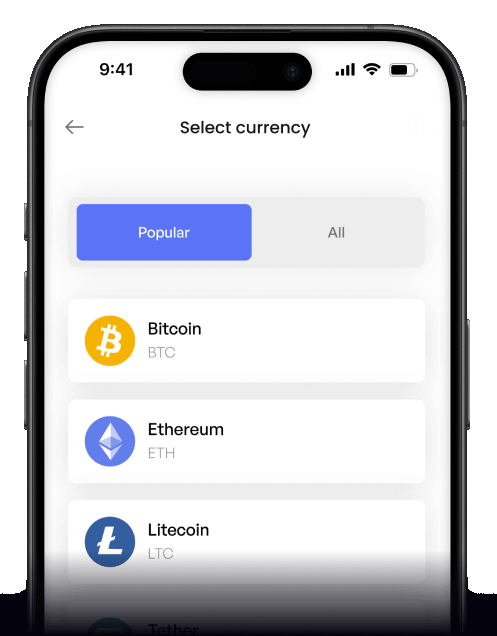
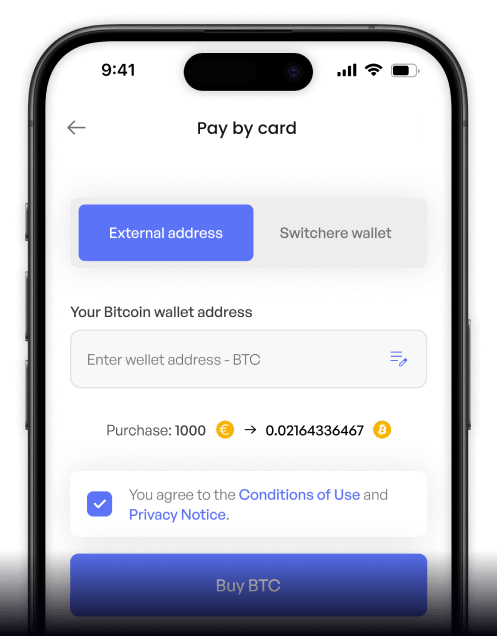
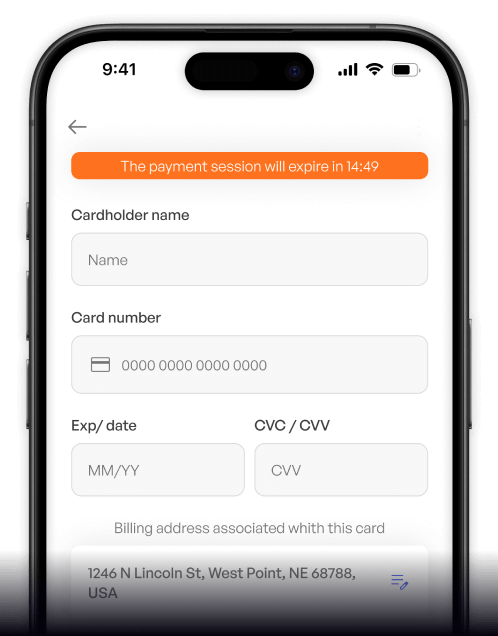
How to Buy GRAM (GRAM)
 Step-by-step guidance
 Easy credit card payments
 Streamlined purchase process
 Web
Popular Coins for Nigerian Naira (NGN)


Other Coins for Nigerian Naira (NGN)


Frequently asked questions
-
How can I buy Gram (GRAM) using Nigerian Naira (NGN) securely?
The most common fiat on-ramp for purchasing GRAM with NGN is through Peer-to-Peer (P2P) cryptocurrency exchanges. Due to Nigerian regulatory frameworks, P2P trading allows users to directly exchange NGN via local bank transfers or mobile money for digital assets. Always ensure you use platforms with robust escrow services and strict KYC/AML compliance to secure your transaction before transferring to your TON wallet. -
What is the relationship between the GRAM token, Toncoin, and The Open Network (TON)?
GRAM originated as the native token for the Telegram Open Network. Following regulatory shifts, the ecosystem evolved into The Open Network (TON), a decentralized Layer-1 blockchain powered by Proof of Stake (PoS) consensus. Today, interacting with the TON blockchain gives users access to a highly scalable network featuring dynamic sharding, smart contracts, and seamless integration with the Telegram messenger ecosystem. -
Are there high gas fees when transacting GRAM on the TON blockchain after purchasing with NGN?
No, one of the primary advantages of The Open Network is its ultra-fast transaction speed and extremely low gas fees. Once you have converted your Nigerian Naira into GRAM, moving your digital assets between TON wallets, such as Tonkeeper or the Telegram built-in wallet, costs only a fraction of a cent. This makes it highly efficient for microtransactions and decentralized applications (dApps) within the ecosystem. -
Which digital wallets are best for storing GRAM tokens bought with Naira?
After executing an NGN to GRAM trade on a secure exchange, it is crucial to move your tokens to a non-custodial wallet. Tonkeeper, TON Space, and the native Telegram wallet are highly recommended for storing digital assets on the TON blockchain. These wallets provide secure private key management, support for TON-based smart contracts, and easy access to decentralized finance (DeFi) protocols across The Open Network. -
Can I stake my GRAM tokens to earn network rewards?
Yes, because The Open Network utilizes a Proof of Stake (PoS) consensus mechanism, token holders can participate in network security by staking. Once you purchase GRAM with your NGN, you can delegate your digital assets to validator nodes. Staking locks your tokens in a smart contract, providing you with yield in exchange for helping maintain the blockchain transaction validation process and network decentralization.

Buy on the go
Anywhere. Anytime.
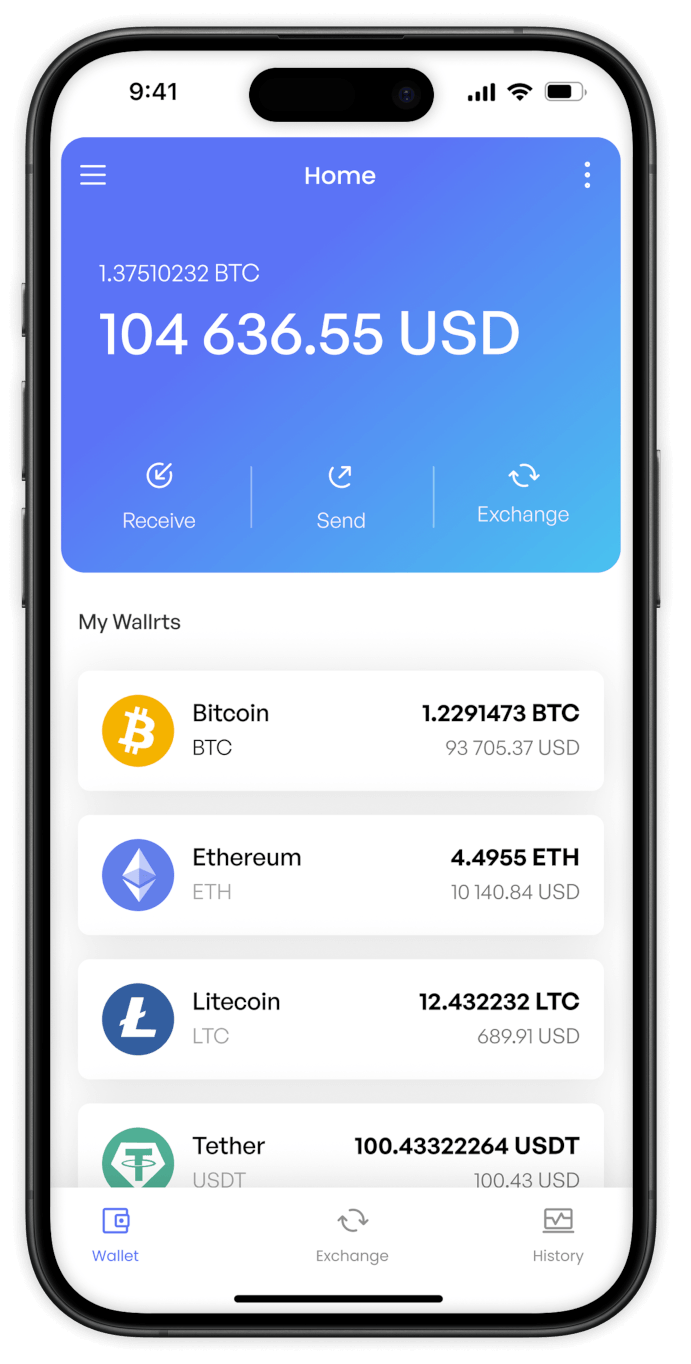
Buy crypto with your credit card from anywhere. Live rates, transparent fees, and 3D Secure on every order - the full Switchere card-buy experience in your pocket.


Scan to download the app iOS and Android