


- Strona główna
- Konwerter
- Nigerian Naira (NGN) do Liquity (LQTY)

Konwertuj
Nigerian Naira (NGN) na Liquity (LQTY) natychmiast


Kupuj Liquity (LQTY) z Nigerian Naira (NGN) łatwo w Switchere i korzystaj z szybkich, bezpiecznych transakcji.
O
Liquity (LQTY)
Liquity to zdecentralizowany protokół pożyczkowy zbudowany na blockchainie Ethereum, który oferuje unikalne podejście do pożyczek DeFi. Jego podstawową funkcją jest umożliwienie użytkownikom zaciągania nieoprocentowanych pożyczek pod zastaw ich Etheru (ETH). Pożyczki te są wypłacane w LUSD, w pełni wymienialnym stablecoinie powiązanym z dolarem amerykańskim. Główną innowacją tego protokołu aktywów cyfrowych jest jego wyjątkowa efektywność kapitałowa, wymagająca minimalnego wskaźnika zabezpieczenia na poziomie zaledwie 110%. Taki projekt czyni go jednym z najbardziej dostępnych rozwiązań pożyczkowych on-chain w ekosystemie zdecentralizowanych finansów, bezpośrednio rozwiązując problem nadmiernego zabezpieczenia, powszechny na innych platformach.
Architektura systemu jest zakorzeniona w prawdziwej decentralizacji. Inteligentne kontrakty Liquity są niezmienne, a protokół działa bez jakiejkolwiek formy zarządzania, minimalizując interwencję człowieka i tworząc bardziej przewidywalny instrument finansowy. Jego solidny mechanizm likwidacji jest zarządzany algorytmicznie i wspierany przez Pulę Stabilności, gdzie posiadacze LUSD mogą deponować swoje tokeny, aby uczestniczyć w likwidacji niedostatecznie zabezpieczonych pozycji, znanych jako Troves. Natywny token użytkowy, LQTY, nie jest tokenem zarządzania. Zamiast tego jego główną funkcją jest staking. Stakując LQTY, posiadacze zarabiają część opłat protokołowych generowanych z emisji i wykupu LUSD, co zapewnia bezpośredni strumień przychodów z podstawowych operacji protokołu.

Jak kupić Liquity (LQTY)
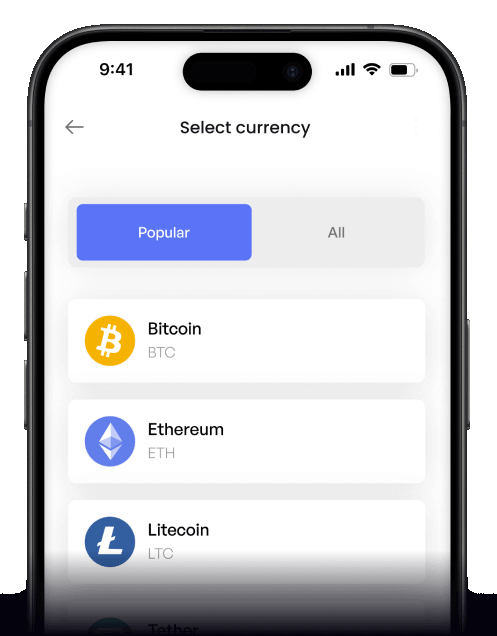
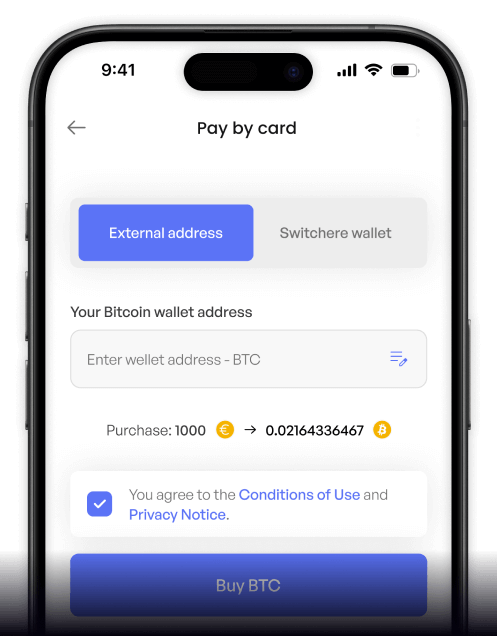
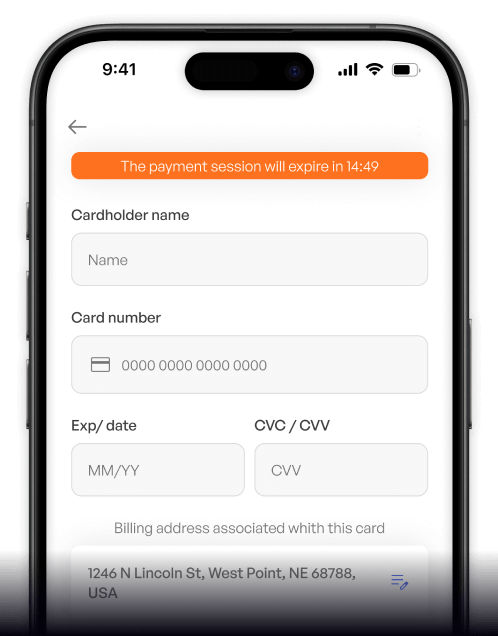
 Wskazówki krok po kroku
 Łatwe płatności kartą kredytową
 Usprawniony proces zakupu
 Web
Web
Popularne monety za Nigerian Naira (NGN)




Inne monety za Nigerian Naira (NGN)








Często zadawane pytania
-
Czym dokładnie jest para handlowa NGN/LQTY i co ona reprezentuje?
Para NGN/LQTY pozwala na zakup tokenów Liquity (LQTY) za pomocą nigeryjskiej Nairy (NGN). LQTY to wtórny token emitowany przez protokół Liquity, zdecentralizowany protokół pożyczkowy zbudowany na Ethereum. Podczas gdy protokół umożliwia nieoprocentowane pożyczki poprzez bicie stablecoina LUSD, token LQTY przechwytuje dochody z opłat i zachęca wczesnych użytkowników oraz operatorów frontendów, odgrywając kluczową rolę w jego ekosystemie DeFi. -
Jakie są powszechne metody zakupu LQTY za pomocą NGN, zwłaszcza biorąc pod uwagę lokalne przepisy bankowe?
Ze względu na regulacje Centralnego Banku Nigerii (CBN), bezpośrednie przelewy bankowe na giełdy kryptowalut są często ograniczone. Dlatego najczęstszym sposobem wejścia na rynek fiat jest korzystanie z platform Peer-to-Peer (P2P). Na tych platformach można użyć lokalnego przelewu bankowego w nigeryjskiej Nairze, aby zapłacić innej osobie, która następnie uwolni tokeny LQTY do Twojego cyfrowego portfela za pośrednictwem systemu escrow, zapewniając bezpieczną transakcję. -
Jaka jest podstawowa użyteczność posiadania tokenów LQTY для użytkownika DeFi?
Podstawową użytecznością tokenów LQTY jest staking. Stakując LQTY, posiadacze mogą zarabiać część dochodów protokołu, które pochodzą z opłat za emisję nowych pożyczek (bicie LUSD) i opłat za wykup. Pozwala to posiadaczom tokenów czerpać bezpośrednie korzyści z adopcji i użytkowania zdecentralizowanego protokołu pożyczkowego Liquity bez aktywnego zarządzania pozycją pożyczkową, znaną jako „Trove”. -
Czy istnieją jakieś szczególne opłaty za transakcje blockchain, które należy wziąć pod uwagę podczas handlu NGN na LQTY?
Tak. Oprócz opłaty platformowej na giełdzie P2P, należy uwzględnić opłaty za gaz w sieci Ethereum. Ponieważ LQTY jest tokenem ERC-20 działającym на blockchainie Ethereum, przeniesienie zakupionych LQTY z giełdy do osobistego portfela cyfrowego będzie wiązało się z opłatą za gaz, płatną w ETH. Podobnie, każda interakcja z protokołem Liquity, taka jak staking LQTY, również będzie wymagała opłat za gaz za transakcję blockchain. -
Czy konieczne jest ukończenie procedury zgodności z KYC/AML, aby handlować NGN za LQTY?
Generalnie tak. Większość renomowanych platform P2P i dostawców usług w zakresie aktywów wirtualnych, które ułatwiają wejście na rynek fiat w NGN, wymaga od użytkowników ukończenia weryfikacji Know Your Customer (KYC) i Anti-Money Laundering (AML). Obejmuje to złożenie dokumentów tożsamości i jest standardowym środkiem bezpieczeństwa mającym na celu zapobieganie nielegalnym działaniom i zapewnienie bezpiecznego handlu dla wszystkich uczestników.

Kupuj w dowolnym miejscu
Gdziekolwiek. Kiedykolwiek.
Kupuj kryptowaluty kartą kredytową z dowolnego miejsca. Aktualne kursy, przejrzyste opłaty i protokół 3D Secure przy każdym zamówieniu – pełna funkcjonalność serwisu Switchere do zakupu kryptowalut za pomocą karty w zasięgu ręki.



Zeskanuj, aby pobrać aplikację na iOS i Androida

