


Convert
Algerian dinar (DZD) to Dai (DAI) Instantly


Purchase Dai (DAI) with Algerian dinar (DZD) easily at Switchere and benefit from fast, secure transactions.
About
Dai (DAI)
DAI (DAI) stands as a pioneering decentralized stablecoin soft-pegged to the US Dollar, operating on the Ethereum blockchain as an ERC-20 token. Its primary purpose is to provide a censorship-resistant and transparent digital asset that maintains a stable value, offering a crucial building block for the decentralized finance (DeFi) ecosystem. Governed by the MakerDAO community through the MKR governance token, DAI's stability is achieved through a sophisticated system of over-collateralization. Users generate DAI by locking up approved crypto assets, such as ETH or WBTC, into smart contracts known as Maker Vaults (formerly Collateralized Debt Positions or CDPs). This process ensures that every DAI in circulation is backed by a greater value of collateral, mitigating volatility risks.
The core technology relies on Ethereum's smart contract capabilities to manage these Vaults, automate liquidations if collateral value drops below a certain threshold, and maintain the peg through various stability mechanisms, including Stability Fees and the Dai Savings Rate (DSR). The DSR allows DAI holders to earn yield on their holdings directly on-chain. DAI's utility token function is primarily as a stable medium of exchange, a unit of account, and a store of value within countless DeFi applications, including lending protocols, decentralized exchanges, and yield farming strategies. As one of the most widely integrated crypto-backed stablecoins, DAI is a foundational element of Web3 infrastructure, enabling peer-to-peer transactions and complex financial instruments without reliance on traditional intermediaries.
How to Buy Dai (DAI)
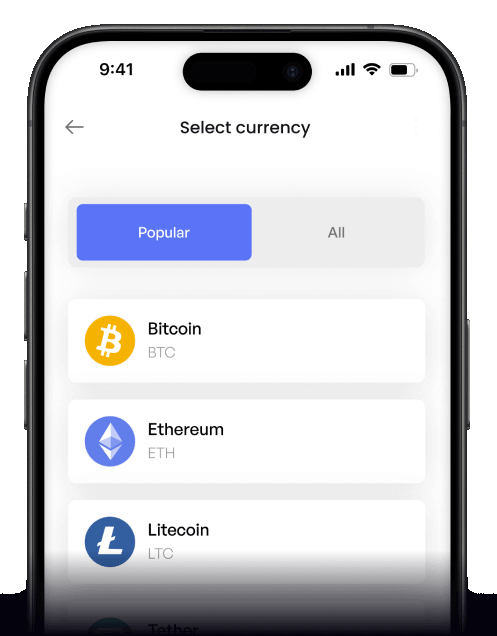
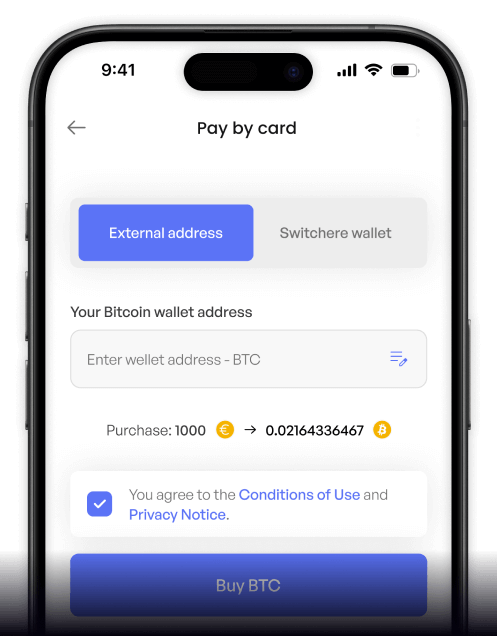
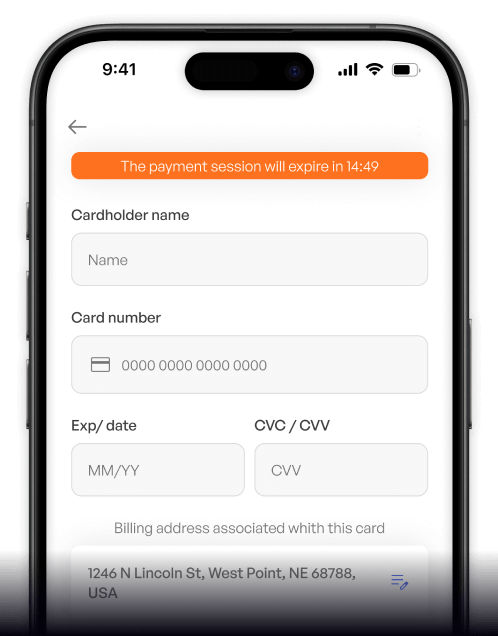
 Step-by-step guidance
 Easy credit card payments
 Streamlined purchase process
 Web
Web
Popular Coins for Algerian dinar (DZD)




Other Coins for Algerian dinar (DZD)




Frequently asked questions
-
What is the DZD/DAI pair and why is it a unique trading option?
The DZD/DAI pair represents the exchange between the Algerian Dinar (DZD) and Dai (DAI), a decentralized stablecoin soft-pegged to the US Dollar. It's unique because it allows direct access from a North African fiat currency to a censorship-resistant, transparent digital asset built on the Ethereum blockchain. Transactions often occur on P2P platforms, bypassing traditional banking systems. Dai's stability is maintained algorithmically by the Maker Protocol through a system of overcollateralization with other crypto assets, making it a key component in DeFi. -
What is the primary method for acquiring DAI with Algerian Dinar (DZD)?
Due to the limited availability of DZD on centralized cryptocurrency exchanges, the primary method for this fiat on-ramp is through Peer-to-Peer (P2P) trading platforms. On these platforms, users can directly connect with sellers, agree on a rate, and use common local payment methods like Algerian bank transfers to send DZD. The seller then releases the DAI from an escrow system to the buyer's digital wallet upon confirming payment, ensuring a secure transaction. -
How does the overcollateralization of Dai benefit a user holding it after a DZD transaction?
After converting DZD to DAI, the holder benefits from Dai's price stability, which is achieved through overcollateralization within the Maker Protocol. This means every DAI in circulation is backed by a greater value of other cryptocurrencies locked in smart contracts, known as Collateralized Debt Positions (CDPs). This mechanism acts as a buffer against market volatility of the underlying collateral, ensuring Dai reliably maintains its soft peg to the USD. It provides a stable store of value, protecting the user's funds from both DZD's potential inflation and the volatility of non-stablecoin cryptocurrencies. -
Are there specific KYC/AML requirements when trading DZD for DAI?
Yes, KYC/AML (Know Your Customer/Anti-Money Laundering) requirements depend heavily on the P2P platform used. Most reputable P2P marketplaces require users to complete identity verification to comply with international regulations and enhance platform security. This typically involves submitting a government-issued ID and sometimes a proof of address. While some smaller or decentralized P2P services might have laxer requirements, using a platform with robust KYC/AML compliance is recommended for secure trading and dispute resolution. -
What are the typical fees and payment methods involved in a DZD to DAI P2P trade?
In DZD to DAI P2P trades, payment methods are typically local to Algeria. These include direct bank transfers ('virement bancaire'), services like BaridiMob, or sometimes even in-person cash exchanges for larger volumes. Regarding fees, the P2P platform itself may charge a small fee, often to the person who posted the ad (the 'maker'). The buyer ('taker') usually pays the agreed-upon exchange rate. Additionally, once you receive the DAI in your digital wallet, a network fee (gas fee, paid in ETH) will be required if you wish to move it to another address on the Ethereum blockchain.

Buy on the go
Anywhere. Anytime.
Buy crypto with your credit card from anywhere. Live rates, transparent fees, and 3D Secure on every order - the full Switchere card-buy experience in your pocket.



Scan to download the app iOS and Android

