


Convert
Algerian dinar (DZD) to Livepeer (LPT) Instantly


Purchase Livepeer (LPT) with Algerian dinar (DZD) easily at Switchere and benefit from fast, secure transactions.
About
Livepeer (LPT)
Livepeer (LPT) is a decentralized video streaming network built on the Ethereum blockchain, designed to provide a scalable, cost-effective, and censorship-resistant infrastructure for video transcoding and distribution. It aims to revolutionize how video content is processed and delivered by offering an open alternative to traditional, centralized video processing services. The core of Livepeer's technology relies on a distributed network of node operators, known as Orchestrators, who contribute their computing resources to perform video transcoding tasks. This peer-to-peer system leverages blockchain technology to coordinate and incentivize participants, ensuring reliable and efficient video processing for developers and broadcasters building media dApps.
The LPT token is the native digital asset of the Livepeer network, functioning as a crucial utility token and work token. Token holders can stake LPT to become Orchestrators or delegate their LPT to existing Orchestrators, thereby participating in network security and earning a share of the fees and inflationary rewards. This staking mechanism ensures that Orchestrators perform their transcoding duties honestly and efficiently. Broadcasters utilize the network for video encoding and streaming, paying fees that contribute to the ecosystem's economy. As a foundational element of Web3 video infrastructure, Livepeer enhances the capabilities of decentralized applications requiring robust video functionalities, positioning itself as a key player in the future of on-chain media delivery and content streaming with strong cryptographic security.

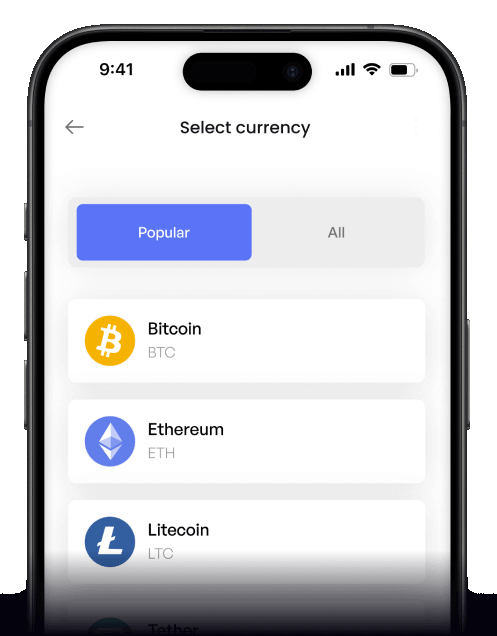
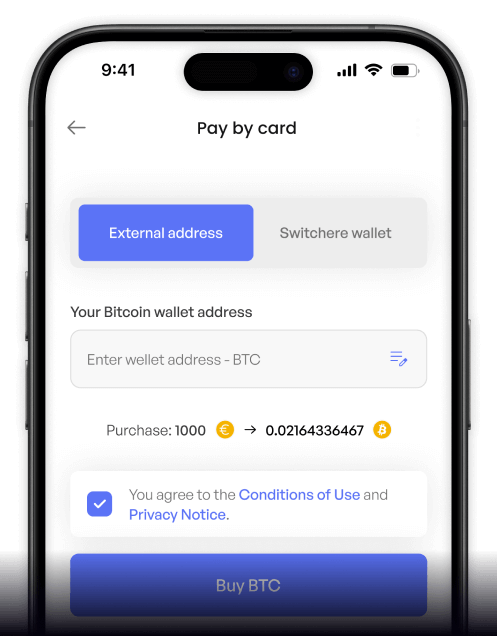
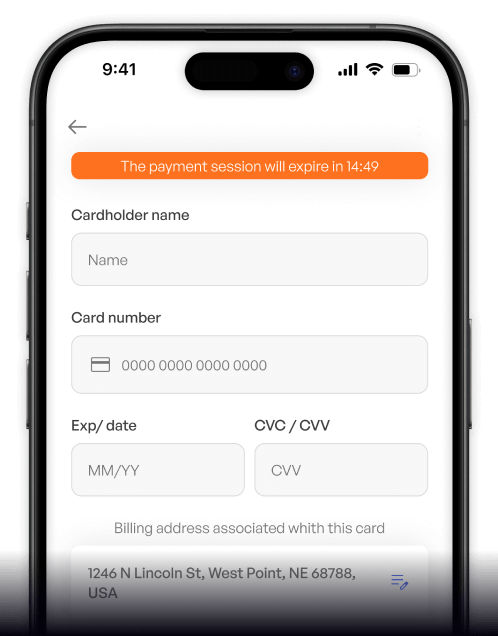
How to Buy Livepeer (LPT)
 Step-by-step guidance
 Easy credit card payments
 Streamlined purchase process
 Web
Web
Popular Coins for Algerian dinar (DZD)





Other Coins for Algerian dinar (DZD)





Frequently asked questions
-
What is the DZD/LPT trading pair and what does it represent?
The DZD/LPT pair represents the exchange rate between the Algerian Dinar (DZD) and the Livepeer token (LPT). Trading this pair involves using DZD as a fiat on-ramp to acquire LPT, an ERC-20 token that powers the decentralized video transcoding network on the Ethereum blockchain. This process allows participation in the Livepeer ecosystem, such as staking LPT. -
What are the most common ways to buy Livepeer (LPT) with Algerian Dinar (DZD)?
Direct DZD to LPT purchases on major cryptocurrency exchanges are rare. The most common method is using peer-to-peer (P2P) platforms where you can find sellers willing to accept DZD via local bank transfer. Another strategy is to first convert DZD to a more liquid currency like EUR or USD, then use a global exchange that lists LPT to complete the digital asset purchase. -
What is the primary function of the LPT token in the Livepeer network?
The LPT token is essential for securing and coordinating the Livepeer network. Its primary function is staking. Token holders can stake their LPT to become 'Orchestrators' who transcode video, or 'Delegators' who stake towards Orchestrators. In return for securing the network with their stake, participants earn a portion of the network fees and newly minted LPT, creating a powerful incentive for participation in this web3 infrastructure. -
Are there specific KYC/AML regulations to consider when buying LPT with DZD?
Yes, compliance is key. Any reputable P2P platform or exchange facilitating the transaction will likely enforce KYC (Know Your Customer) and AML (Anti-Money Laundering) procedures. This involves verifying your identity. Furthermore, you must be aware of and comply with Algeria's local regulations concerning currency exchange and digital asset trading, as these can impact the legality and process of your transaction. -
After buying LPT with DZD, how can I securely store my tokens?
For optimal security, you should transfer your LPT from the exchange to a personal digital wallet where you control the private keys. Since LPT is an ERC-20 token on the Ethereum network, it is compatible with wallets like MetaMask, Trust Wallet, or for maximum security, a hardware wallet such as a Ledger or Trezor. This practice of self-custody protects your digital assets from exchange-related risks.

Buy on the go
Anywhere. Anytime.
Buy crypto with your credit card from anywhere. Live rates, transparent fees, and 3D Secure on every order - the full Switchere card-buy experience in your pocket.



Scan to download the app iOS and Android

