


- Accueil
- Convertisseur
- Algerian dinar (DZD) pour Ethereum Name Service (ENS)

Convertissez
Algerian dinar (DZD) en Ethereum Name Service (ENS) instantanément


Achetez Ethereum Name Service (ENS) avec Algerian dinar (DZD) facilement sur Switchere et bénéficiez de transactions rapides et sécurisées.
A propos de
Ethereum Name Service (ENS)
Ethereum Name Service (ENS) est un système de nommage décentralisé construit sur la blockchain Ethereum, traduisant les identifiants lisibles par la machine comme les adresses de portefeuille, les hachages de contenu et les métadonnées en noms `.eth` lisibles par l'homme. Son objectif principal est d'améliorer l'expérience utilisateur dans l'écosystème Web3, en simplifiant les interactions avec les dApps, les actifs numériques et les applications DeFi, tout comme le système de noms de domaine (DNS) sert l'internet traditionnel. Cette couche d'identité sur la chaîne améliore l'accessibilité à la technologie blockchain en abstrayant les chaînes hexadécimales complexes, ce qui rend le web décentralisé plus navigable.
Technologiquement, ENS fonctionne via un ensemble de contrats intelligents sur Ethereum. Chaque nom `.eth` enregistré est un jeton non fongible ERC-721 (NFT), garantissant aux utilisateurs une véritable propriété, une transférabilité et une sécurité cryptographique. Le protocole prend en charge la résolution inverse, ce qui permet aux applications d'afficher des noms ENS conviviaux au lieu d'adresses brutes, et peut également pointer vers des sites web décentralisés hébergés sur IPFS. Le jeton natif ENS est un jeton de gouvernance, qui permet à ses détenteurs de participer à la DAO ENS. Cela implique de voter sur les mises à jour cruciales du protocole, la gestion de la trésorerie et les ajustements de paramètres, guidant ainsi l'avenir de la norme de nommage de ce réseau décentralisé et de sa tokénomique.
ENS est reconnu comme une infrastructure fondamentale du Web3, essentielle pour améliorer les interactions entre les utilisateurs et établir une identité portable et appartenant à l'utilisateur sur la chaîne. En associant des noms mémorables à diverses ressources de la blockchain, il réduit considérablement les barrières à l'entrée pour les nouveaux utilisateurs. Cette utilité positionne ENS comme un facilitateur clé pour l'adoption plus large des technologies décentralisées et fait partie intégrante d'un grand livre numérique plus intuitif. Son rôle dans la simplification des interactions complexes au sein de l'écosystème Ethereum et au-delà souligne son importance dans la construction d'un Web3 plus centré sur l'utilisateur, favorisant la croissance dans des domaines tels que les places de marché NFT et les médias sociaux décentralisés.

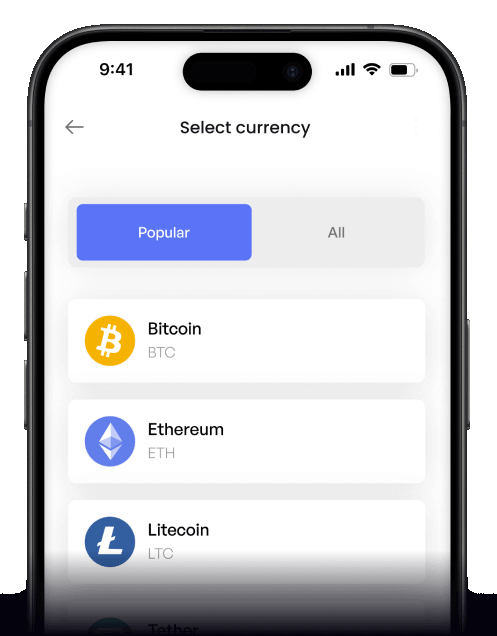
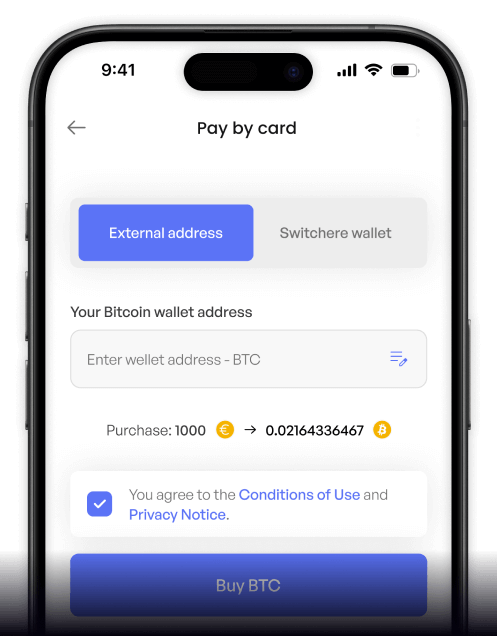
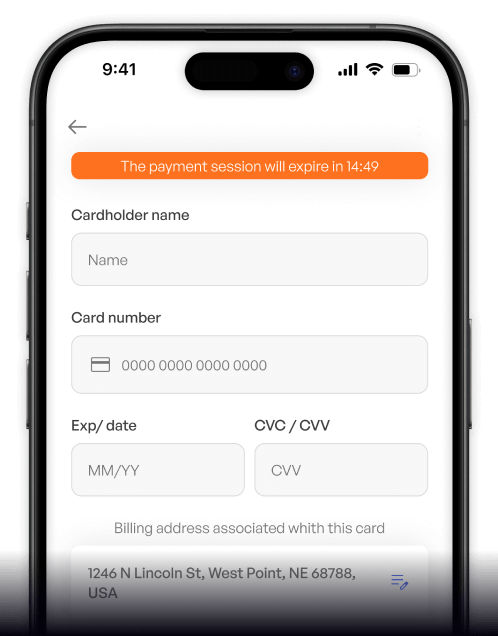
Comment acheter des Ethereum Name Service (ENS)
 Conseils étape par étape
 Paiements faciles par carte de crédit
 Processus d'achat simplifié
 Web
Web
Monnaies populaires pour Algerian dinar (DZD)




Autres pièces pour Algerian dinar (DZD)




Questions fréquemment posées
-
Qu'est-ce que la paire de trading DZD/ENS et quelle est sa fonction ?
La paire DZD/ENS représente le taux de change entre le Dinar algérien (DZD) et le jeton Ethereum Name Service (ENS). Sa fonction est de permettre aux utilisateurs d'acquérir de l'ENS, le jeton de gouvernance du protocole de nommage décentralisé sur la blockchain Ethereum, en utilisant leur monnaie fiduciaire locale. Les jetons ENS accordent à leurs détenteurs des droits de vote au sein de la DAO ENS pour prendre des décisions sur l'avenir du protocole. -
Quelle est la manière la plus courante d'acheter de l'ENS avec des Dinars algériens (DZD) ?
Les rampes d'accès directes de DZD à ENS sont rares. La méthode la plus courante implique un processus en deux étapes : premièrement, utiliser une plateforme d'échange Peer-to-Peer (P2P) pour acheter une cryptomonnaie majeure comme l'USDT ou le BTC avec des DZD via des méthodes de paiement locales. Deuxièmement, transférer cet actif numérique vers une bourse de cryptomonnaies qui liste l'ENS et l'échanger contre le jeton ENS. Cette voie indirecte est souvent nécessaire en raison des contraintes bancaires et réglementaires locales. -
Quelle est la fonction principale du jeton ENS au sein de son écosystème ?
La fonction principale du jeton ENS est la gouvernance. En tant que jeton ERC-20, il permet à ses détenteurs de participer à la DAO (Organisation Autonome Décentralisée) de l'Ethereum Name Service. Cela inclut la proposition et le vote sur des paramètres clés du protocole, tels que la tarification des domaines `.eth`, la gestion de la trésorerie communautaire et la ratification de la Constitution de l'ENS. Les détenteurs peuvent également déléguer leur pouvoir de vote à des membres actifs de la communauté. -
À quelle conformité KYC/AML dois-je m'attendre en échangeant des DZD contre de l'ENS ?
Lors de l'utilisation d'une plateforme P2P pour la transaction DZD initiale, les exigences KYC/AML (Connaître votre client/Lutte contre le blanchiment d'argent) varieront en fonction de la politique de la plateforme et du trader individuel. Les bourses centralisées utilisées pour l'échange final de crypto contre ENS exigeront presque certainement une vérification d'identité complète. Cependant, si vous choisissez d'utiliser une bourse décentralisée (DEX) pour l'échange, vous interagissez généralement directement avec un contrat intelligent sans avoir besoin de passer par un processus KYC. -
Comment dois-je stocker mes jetons ENS en toute sécurité après la transaction ?
Après avoir acquis de l'ENS, vous devriez les transférer de la bourse vers un portefeuille numérique personnel où vous contrôlez les clés privées. Comme l'ENS est un jeton ERC-20, tout portefeuille compatible avec Ethereum fonctionnera. Pour une sécurité optimale, en particulier pour des avoirs importants, envisagez d'utiliser un portefeuille matériel. Cette pratique d'auto-garde garantit que vous seul avez accès à vos actifs numériques et les protège des risques liés aux bourses.

Achetez où que vous soyez
Où que vous soyez. À tout moment.
Achetez des cryptomonnaies avec votre carte bancaire où que vous soyez. Taux de change en temps réel, frais transparents et 3D Secure pour chaque commande : toute l'expérience d'achat par carte Switchere à portée de main.



Scannez le code pour télécharger l'application sur iOS et Android

