


Convert
Algerian dinar (DZD) to Lido DAO Token (LDO) Instantly


Purchase Lido DAO Token (LDO) with Algerian dinar (DZD) easily at Switchere and benefit from fast, secure transactions.
About
Lido DAO Token (LDO)
Lido DAO (LDO) is a decentralized autonomous organization that provides a critical liquid staking solution for Proof-of-Stake (PoS) blockchain networks, most notably Ethereum, while also supporting others like Polygon and Solana. The protocol addresses the inherent illiquidity problem of traditional staking, where users' digital assets are typically locked and inaccessible for the duration of the staking period. By utilizing Lido's smart contracts, users can stake their PoS tokens and receive a corresponding liquid token—st[Asset] (e.g., stETH for Ethereum, stMATIC for Polygon)—representing their staked principal plus accrued staking rewards and consensus mechanism contributions. This innovation in blockchain technology allows for participation in network security without sacrificing capital mobility.
The core technology behind Lido ensures that these st[Asset] tokens remain liquid and can be freely traded, lent, or utilized as collateral across various DeFi applications. This enhances capital efficiency within the Web3 infrastructure, allowing stakers to simultaneously earn staking rewards and engage in other yield-generating opportunities. Lido's architecture relies on a distributed network of professional node operators to manage the underlying staked assets, with risks and rewards shared. The platform's parameters, upgrades, and operator selections are governed by the Lido DAO, ensuring a community-driven approach to its evolution and security within the decentralized network.
The LDO token is the native utility and governance token of the Lido DAO. Its primary function is to grant holders voting rights on crucial protocol decisions, such as adjusting fees, approving new node operators, allocating treasury funds, and implementing upgrades to the smart contract system. Through this on-chain governance model, LDO token holders actively shape the direction and risk parameters of this leading liquid staking protocol. Lido has become a foundational element for staking derivatives, significantly improving the tokenomics and user experience for participants in PoS ecosystems by unlocking liquidity from otherwise locked digital assets.

How to Buy Lido DAO Token (LDO)
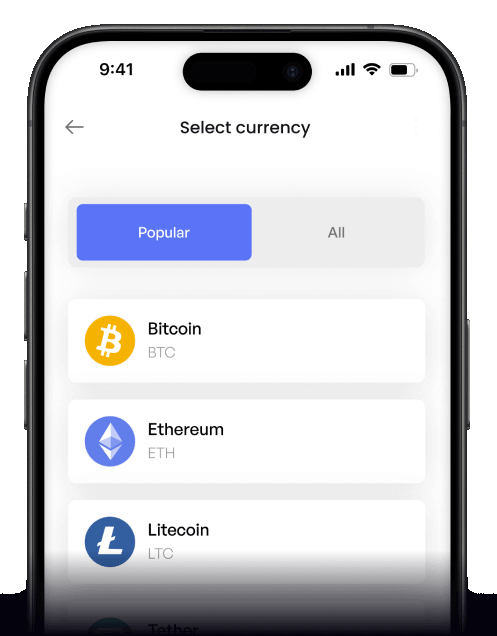
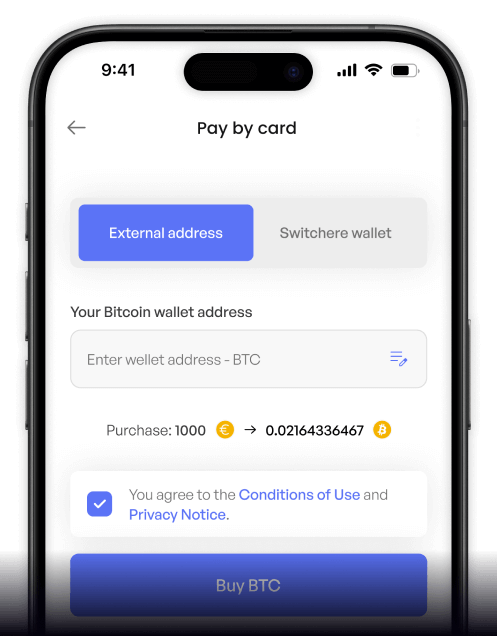
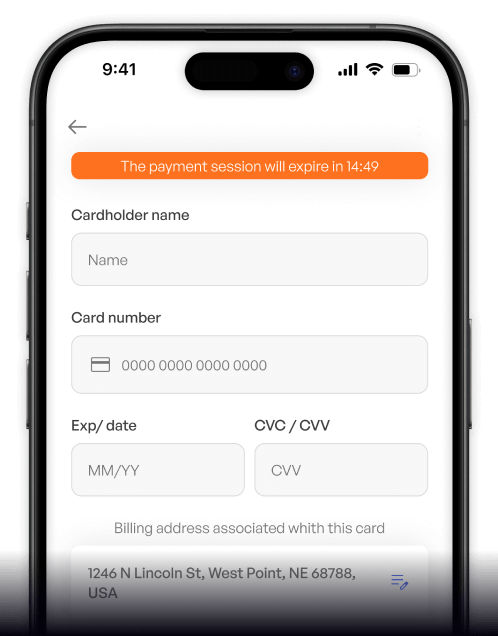
 Step-by-step guidance
 Easy credit card payments
 Streamlined purchase process
 Web
Web
Popular Coins for Algerian dinar (DZD)




Other Coins for Algerian dinar (DZD)





Frequently asked questions
-
What is the DZD/LDO trading pair and its significance in DeFi?
The DZD/LDO pair represents the exchange rate between the Algerian Dinar and the Lido DAO Token. A direct trading pair is rare; typically, users must first use a P2P platform to convert DZD into a major cryptocurrency like USDT, and then trade USDT for LDO on an exchange. LDO is significant as the governance token for the Lido protocol, a leading liquid staking solution that allows users to earn Proof-of-Stake (PoS) rewards on assets like Ethereum without losing liquidity, creating derivatives like stETH. -
What is the primary method to purchase LDO tokens using Algerian Dinar (DZD)?
The most common method involves a two-step process due to the lack of direct DZD fiat on-ramps. First, an individual uses a peer-to-peer (P2P) marketplace that supports local Algerian payment methods to buy a stablecoin like USDT with DZD. Second, they transfer this USDT to a major cryptocurrency exchange where the LDO/USDT pair is listed with high trading volume and execute the trade. -
What fundamental role does LDO play within the Lido DAO ecosystem?
LDO is the native governance token of the Lido DAO. Its primary utility is granting holders voting rights on DAO proposals. These proposals determine key parameters of the liquid staking protocol, such as setting fees, assigning node operators, and directing treasury funds. Owning LDO allows participation in shaping the future of one of DeFi's most critical infrastructure projects for staking derivatives. -
Are there specific risks or challenges when acquiring LDO with Algerian Dinar?
Yes, the main challenge is the multi-step process. Users must navigate P2P markets, which can have varying liquidity and counterparty risk. Additionally, completing KYC/AML compliance on both a P2P platform and a centralized exchange is often required. The regulatory environment in Algeria for digital asset purchases can also present uncertainties. Finally, users must manage multiple blockchain transactions, each with its own fees and potential for error. -
How does Lido's liquid staking and its stETH token relate to the value of LDO?
The success of Lido's liquid staking protocol, measured by the total value locked (TVL) and the adoption of its staking derivative token stETH, directly influences the perceived value of LDO. As more assets are staked through Lido, the protocol generates more fees. The LDO token grants holders governance rights over the distribution of these fees and the protocol's future. Therefore, strong growth in stETH usage and TVL enhances the importance and potential value of the governance power held by LDO tokens.

Buy on the go
Anywhere. Anytime.
Buy crypto with your credit card from anywhere. Live rates, transparent fees, and 3D Secure on every order - the full Switchere card-buy experience in your pocket.



Scan to download the app iOS and Android

