


Convert
Algerian dinar (DZD) to SHIBA INU (SHIB) Instantly


Purchase SHIBA INU (SHIB) with Algerian dinar (DZD) easily at Switchere and benefit from fast, secure transactions.
About
SHIBA INU (SHIB)
Shiba Inu (SHIB) originated as an ERC-20 token on the Ethereum blockchain, famously launched as an "experiment in decentralized spontaneous community building" and quickly gaining traction within the meme coin category of digital assets. While its initial appeal was heavily community-driven and culturally focused, the project has since embarked on developing a broader ecosystem to expand its utility beyond its origins. This ecosystem, often referred to as the Shiba Inu ecosystem, includes key components designed to enhance the functionality and adoption of SHIB and its associated tokens within the decentralized network.
At the core of its technical evolution is ShibaSwap, a proprietary decentralized exchange (DEX) that facilitates token swaps, staking, and liquidity provision for SHIB, BONE (its governance token), and LEASH. A significant development is Shibarium, a Layer-2 scaling solution built on Ethereum, intended to provide faster transaction speeds and lower gas fees for applications within the SHIB ecosystem, aiming to improve its Web3 infrastructure. The SHIB token itself is used for payments and can be staked to earn rewards. The project's tokenomics are designed to support this expanding utility, with BONE also playing a crucial role as the gas token for Shibarium operations. SHIB represents an ongoing effort to transition a popular meme coin into a more robust platform with diverse DeFi applications and potential NFT integrations, carving out its niche in the competitive blockchain technology space.

How to Buy SHIBA INU (SHIB)
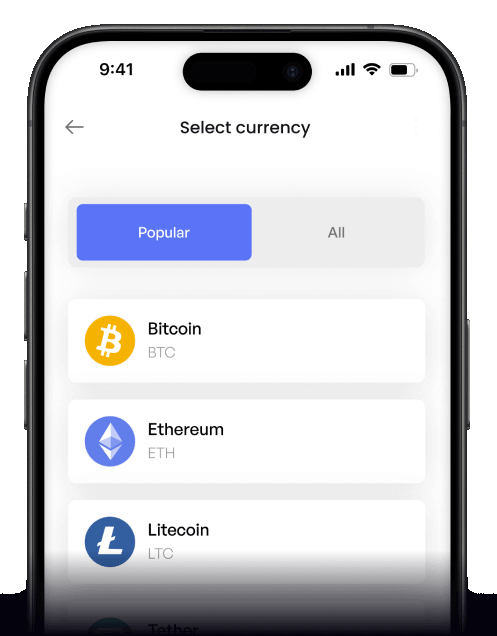
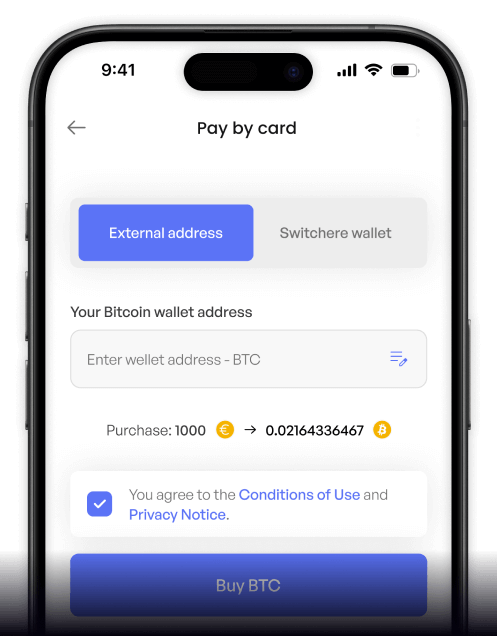
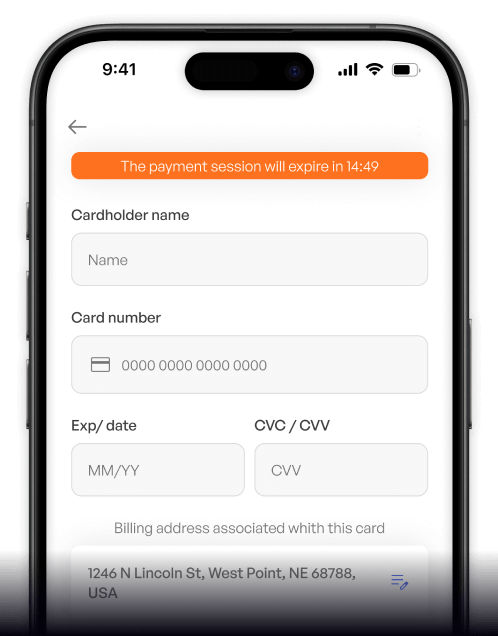
 Step-by-step guidance
 Easy credit card payments
 Streamlined purchase process
 Web
Web
Popular Coins for Algerian dinar (DZD)





Other Coins for Algerian dinar (DZD)





Frequently asked questions
-
What's the most common method to buy Shiba Inu (SHIB) with Algerian Dinar (DZD)?
The most common method for converting Algerian Dinar (DZD) to Shiba Inu (SHIB) is often through peer-to-peer (P2P) trading platforms. These platforms act as a fiat gateway, connecting buyers and sellers directly. Users typically complete a KYC/AML verification, then find a seller offering SHIB for DZD, often using local bank transfers. This route is popular as direct DZD on-ramps on major cryptocurrency exchanges can be limited. -
Are there any specific considerations when choosing a platform for DZD to SHIB trades?
Yes, when selecting a platform for DZD to SHIB trades, prioritize security and liquidity. P2P marketplaces are common, so check the platform's escrow services and user reputation system. For centralized exchanges that might support DZD indirectly, review their trading fees and withdrawal options. Always ensure the platform supports withdrawals of SHIB as an ERC-20 token to your personal digital wallet for secure self-custody. -
Beyond its meme status, what is the technical value of the Shiba Inu (SHIB) token?
While Shiba Inu (SHIB) gained fame as a meme coin, it has evolved into a comprehensive decentralized ecosystem. SHIB is an ERC-20 token on the Ethereum network, which underpins its utility. The project includes ShibaSwap, a decentralized exchange (DEX), and Shibarium, a Layer-2 scaling solution designed to reduce transaction costs. This growing ecosystem aims to provide real utility within decentralized finance (DeFi) for its community-driven token. -
What types of fees are involved in a DZD to SHIB transaction?
A DZD to SHIB transaction typically involves several fees. First, the P2P platform or cryptocurrency exchange will have its own trading fee. Second, your payment method (like a bank transfer) might incur a fee. Finally, and crucially, since SHIB is an ERC-20 token, moving it from the exchange to a private wallet requires paying Ethereum network gas fees. These gas fees can fluctuate based on network congestion. -
How should I store my SHIB tokens securely after purchasing with DZD?
For secure storage of your SHIB, it's critical to use an ERC-20 compatible digital wallet where you control the private keys. Options include software wallets (like MetaMask or Trust Wallet) for convenience, or hardware wallets (like Ledger or Trezor) for the highest level of security. Avoid leaving large amounts of this digital asset on an exchange long-term to protect against platform-specific risks. Self-custody ensures you have full control.

Buy on the go
Anywhere. Anytime.
Buy crypto with your credit card from anywhere. Live rates, transparent fees, and 3D Secure on every order - the full Switchere card-buy experience in your pocket.



Scan to download the app iOS and Android

