Convert
DZD to USDT Instantly
Algerian dinar to Tether (JETTON) at the real-time exchange rate


Purchase USDT (JETTON) with Algerian dinar (DZD) easily at Switchere and benefit from fast, secure transactions.
About
USDT (JETTON)
For residents of Algeria looking to access the decentralized web, converting the Algerian Dinar into Tether on the TON blockchain opens up a rapidly growing digital ecosystem. Using a reliable DZD to USDT converter helps track the real-time exchange rate between local fiat and this globally recognized stablecoin. The USDT to DZD rate fluctuates based on local currency valuations against the US dollar, alongside the available market liquidity for this specific fiat on-ramp. While Tether maintains dollar parity, the underlying local market conditions heavily dictate the conversion costs.
To buy USDT with DZD, users typically rely on P2P platforms, local bank transfers, or international payment cards, all subject to standard KYC/AML procedures. Once the fiat transaction clears, acquiring this specific JETTON token requires a compatible TON wallet address. Unlike traditional ERC-20 transfers, the TON network offers exceptionally low network fees and near-instant confirmation times. However, users must remember to include any required destination tags or memos when routing funds to centralized exchanges. This direct gateway allows Algerian users to preserve purchasing power and seamlessly interact with decentralized applications within the Telegram-integrated ecosystem.

How to Buy USDT (JETTON)
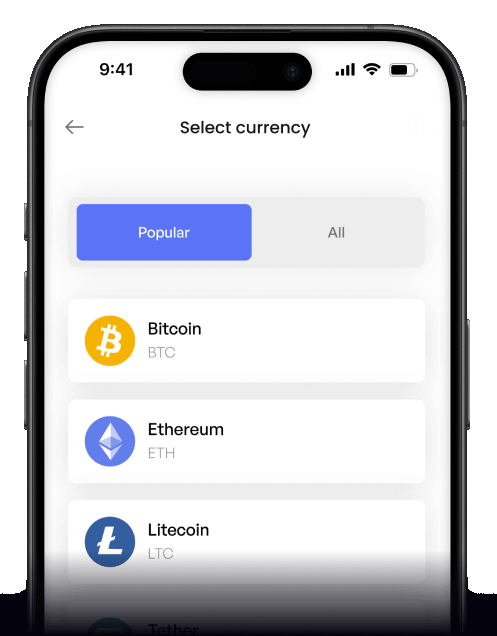
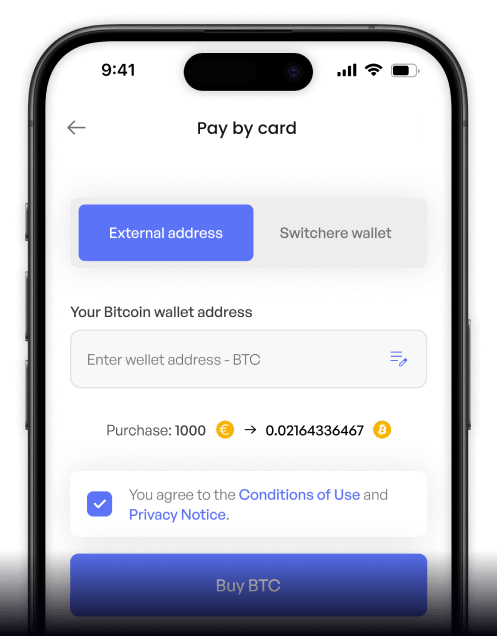
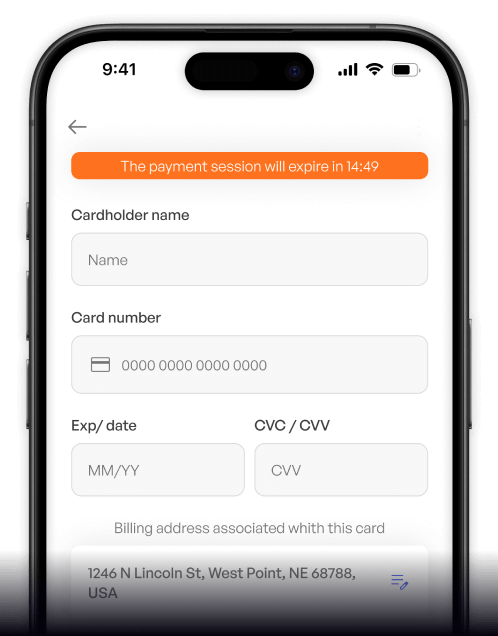
 Step-by-step guidance
 Easy credit card payments
 Streamlined purchase process
 Web
Popular Coins for Algerian dinar (DZD)


Other Coins for Algerian dinar (DZD)


Frequently asked questions
-
How can I buy USDT (JETTON) using Algerian Dinar (DZD)?
Purchasing USDT on the TON blockchain (JETTON) with DZD typically requires a peer-to-peer (P2P) cryptocurrency exchange. Since direct DZD fiat gateways are limited, users often leverage P2P platforms to exchange Algerian Dinar via local payment methods like BaridiMob or CCP transfers for Tether. Ensure the seller supports the TON network to receive the Jetton standard USDT directly to your compatible digital wallet, such as Tonkeeper. -
What is the advantage of using the JETTON standard for USDT instead of ERC-20 or TRC-20?
The JETTON standard represents tokens on The Open Network (TON) blockchain. Transacting DZD for USDT (JETTON) offers significant technical advantages, including near-instant block finality and remarkably low gas fees compared to Ethereum's ERC-20. This makes it highly efficient for micro-transactions and interacting with the broader TON ecosystem and Telegram-integrated decentralized applications (dApps). -
Which payment methods are most commonly used to exchange DZD for USDT?
In the Algerian market, the most frequent methods to fund a fiat on-ramp for stablecoin purchases are local bank transfers, specifically through BaridiMob (Algérie Poste's mobile banking app) and direct CCP (Compte Courant Postal) deposits. When trading DZD/USDT on a P2P order book, buyers send fiat directly to the seller using these local rails, while the platform's smart contract escrow secures the digital asset until payment is confirmed. -
Are there specific KYC requirements when converting Algerian Dinar to Tether on TON?
Yes, reputable centralized exchanges (CEX) and secure P2P marketplaces enforcing AML/KYC compliance will require identity verification before allowing you to trade the DZD/USDT pair. Even when utilizing decentralized platforms, transferring your purchased JETTON USDT to fiat off-ramps later may trigger KYC protocols. Always maintain security best practices and trade on platforms with robust escrow mechanisms. -
How do I store my USDT once I complete the DZD transaction?
After executing your DZD to USDT purchase, you must store the assets in a non-custodial digital wallet compatible with the TON blockchain architecture. Popular options include Tonkeeper, MyTonWallet, or the integrated Telegram Wallet. These wallets natively support Jetton smart contracts, allowing you to securely manage your stablecoins, stake assets, or provide liquidity within TON-based decentralized finance (DeFi) protocols.

Buy on the go
Anywhere. Anytime.
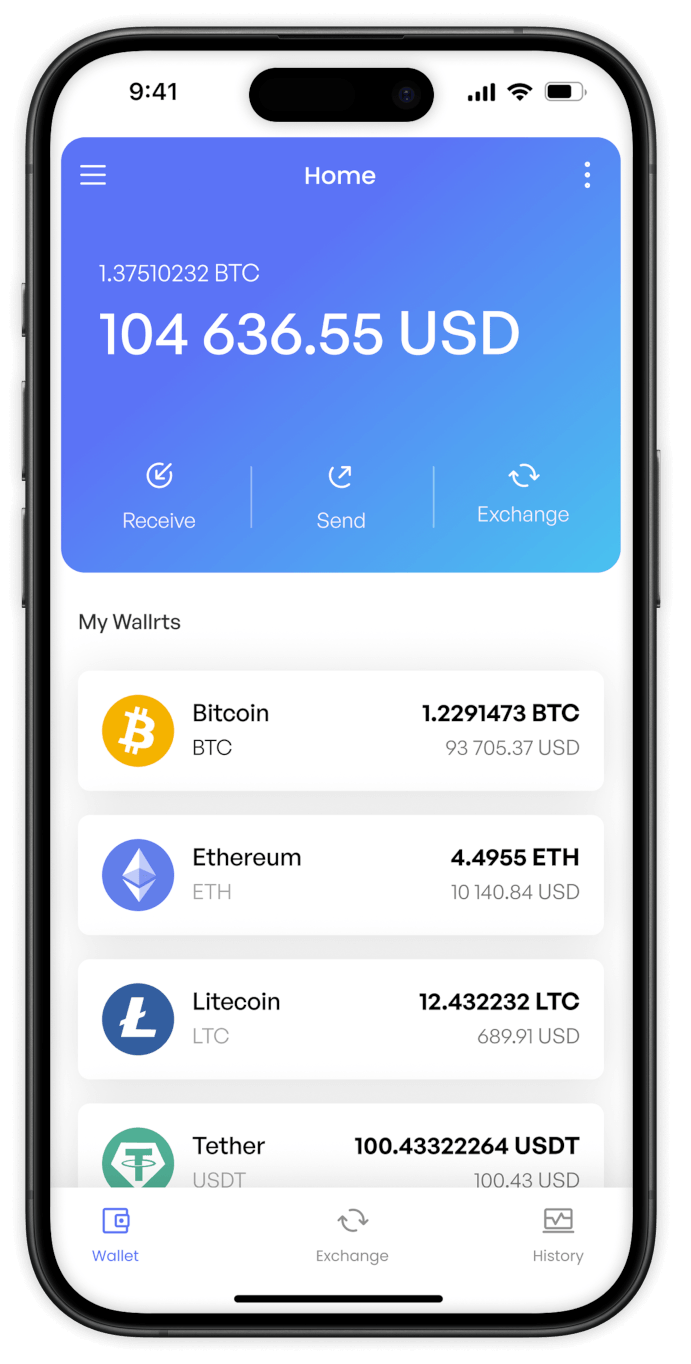
Buy crypto with your credit card from anywhere. Live rates, transparent fees, and 3D Secure on every order - the full Switchere card-buy experience in your pocket.



Scan to download the app iOS and Android