Convert
Algerian dinar (DZD) to LUNA Terra 2.0 (LUNA) Instantly
Purchase LUNA Terra 2.0 (LUNA) with Algerian dinar (DZD) easily at Switchere and benefit from fast, secure transactions.
About
LUNA Terra 2.0 (LUNA)
Terra 2.0 (LUNA) represents a new public blockchain launched as a community-driven initiative to revive the vibrant Terra ecosystem following the de-pegging of its original algorithmic stablecoin, UST. This new digital ledger operates independently of the original chain, now known as Terra Classic (LUNC), and crucially, does not feature an algorithmic stablecoin in its design. The primary objective is to preserve the valuable developer community and the wide array of decentralized applications (dApps) that were built on the original Terra network, providing them with a new foundation for growth and innovation within Web3 infrastructure.
Built using the Cosmos SDK and secured by the Tendermint proof-of-stake consensus mechanism, the Terra 2.0 blockchain prioritizes performance and interoperability. The native digital asset, LUNA, is central to the network's operation. Its primary functions are as a utility token for transaction fees and as a staking token, where validators and delegators lock up LUNA to secure the decentralized network and earn rewards. Furthermore, LUNA serves as the governance token, empowering holders to vote on key on-chain governance proposals that direct the future development and treasury management of the ecosystem, aiming to rebuild a robust hub for DeFi applications.
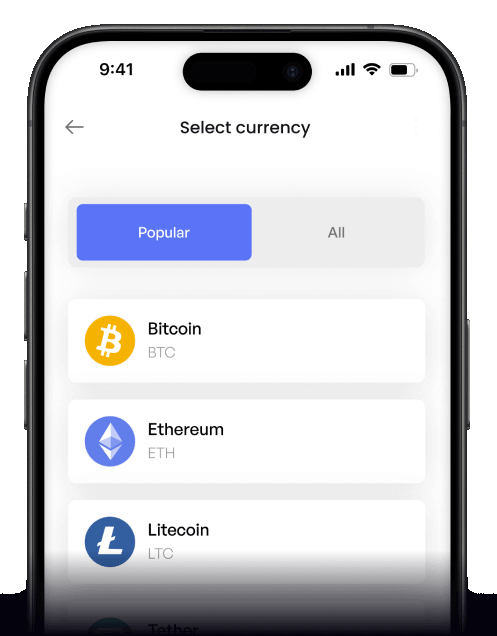
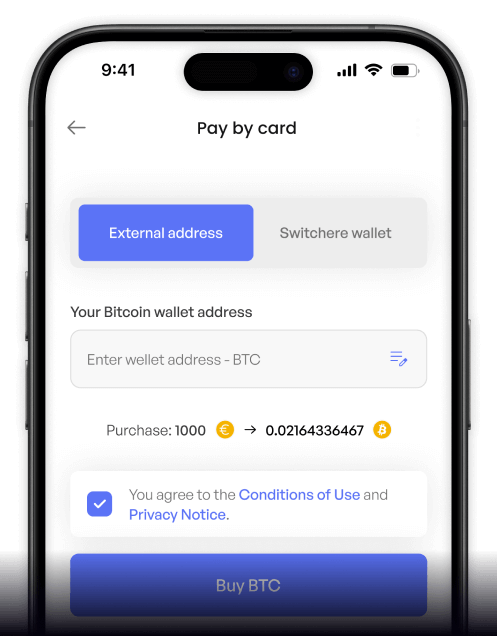
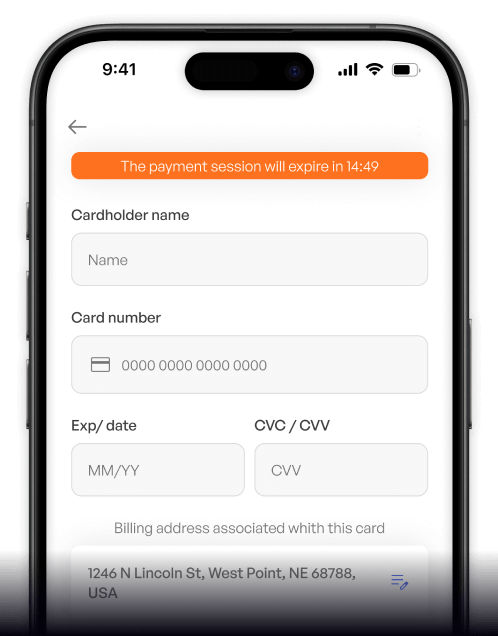
How to Buy LUNA Terra 2.0 (LUNA)
Popular Coins for Algerian dinar (DZD)
Other Coins for Algerian dinar (DZD)
Frequently asked questions
-
What are the most common methods to buy Terra 2.0 (LUNA) using Algerian Dinar (DZD)?
Direct purchases of LUNA with Algerian Dinar (DZD) are uncommon on major cryptocurrency exchanges. The typical process involves using a Peer-to-Peer (P2P) platform to exchange DZD for a widely traded stablecoin like USDT or a major cryptocurrency like BTC first. Once you have the intermediary digital asset, you can then trade it for LUNA on an exchange that lists the LUNA token on its order book. This multi-step process acts as a fiat on-ramp into the Terra 2.0 ecosystem. -
What is the Terra 2.0 (LUNA) token and how does it relate to the Terra Classic (LUNC) blockchain?
Terra 2.0 (LUNA) is the native staking and governance token for the new Terra blockchain, also known as the Phoenix-1 mainnet, which launched in May 2022. This new chain was created without the algorithmic stablecoin component that existed on the original network. Terra Classic (LUNC) is the original chain's token. LUNA holders can participate in the network's Proof-of-Stake consensus by delegating their tokens to validators to earn staking rewards and vote on governance proposals for the ecosystem's dApps. -
Why can't I find a direct DZD/LUNA trading pair on centralized exchanges?
Direct trading pairs like DZD/LUNA are rare due to lower trading volume and liquidity for the Algerian Dinar on global digital asset platforms. Major exchanges prioritize high-liquidity fiat currencies like USD or EUR for their fiat gateways. To trade, users in Algeria typically need to convert DZD to one of these major currencies or use P2P services as an initial step before acquiring assets on the Terra 2.0 blockchain. -
What is a general process for an Algerian resident to convert DZD into LUNA?
The process generally starts with finding a reputable P2P trading platform that operates in Algeria. First, complete the necessary KYC/AML verification. Then, create an offer or find an existing one to trade your DZD via a local bank transfer for a stablecoin (e.g., USDT). After receiving the stablecoin in your digital wallet, transfer it to a cryptocurrency exchange that supports LUNA trading. Finally, execute a spot trade from the stablecoin to LUNA. -
What are the primary functions of the LUNA token within the Terra 2.0 ecosystem?
The LUNA token is fundamental to the Terra 2.0 blockchain's operation. Its main functions include: 1) Securing the network through Proof-of-Stake (PoS), where users delegate LUNA to validators to earn staking rewards. 2) On-chain governance, allowing LUNA holders to vote on proposals affecting the protocol's future. 3) Paying for transaction fees within the ecosystem and serving as the primary asset for interacting with decentralized applications (dApps) built on the Phoenix-1 mainnet.