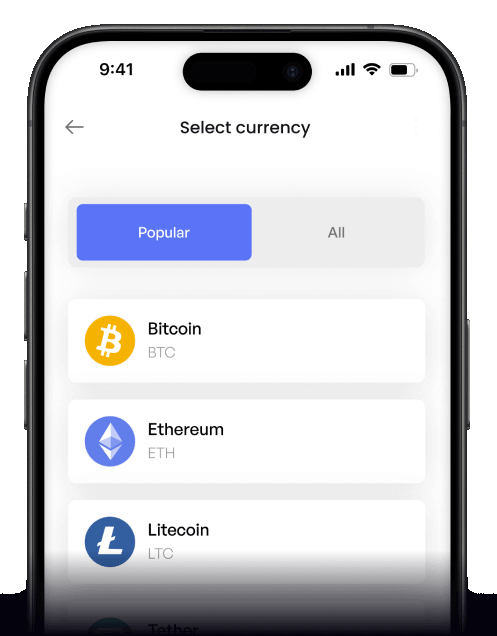
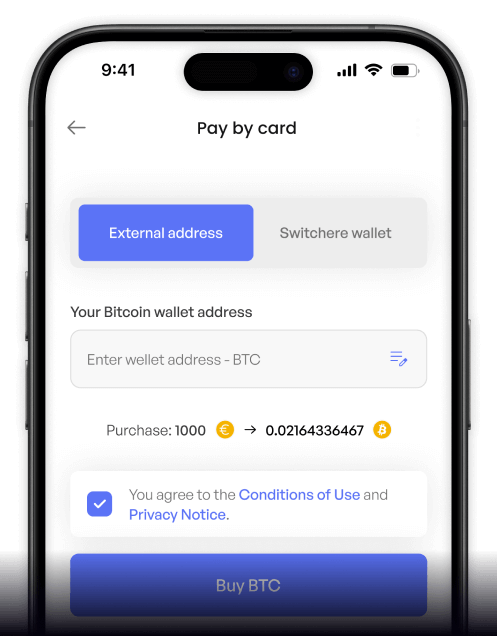
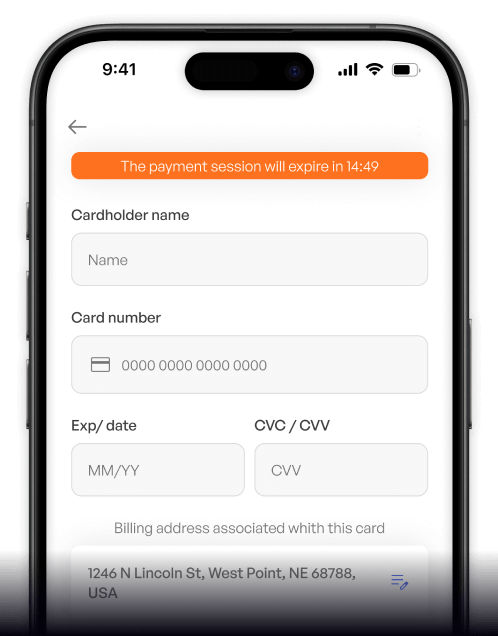
Convert
Algerian dinar (DZD) to RLC (RLC) Instantly
Purchase RLC (RLC) with Algerian dinar (DZD) easily at Switchere and benefit from fast, secure transactions.
About
RLC (RLC)
iExec RLC (RLC) emerges as a pioneering decentralized network for cloud computing, creating a global marketplace where users can monetize their computing power, datasets, and applications. Built on the Ethereum blockchain, this digital asset platform addresses the limitations of traditional Web2 cloud services by offering on-demand access to compute resources in a secure, peer-to-peer manner. The core of its Web3 infrastructure lies in connecting resource providers with users, facilitating complex off-chain computation for dApps, AI model training, and big data processing. This approach democratizes access to powerful computational tools, fostering innovation across various high-demand sectors.
The technical foundation of iExec is its unique consensus mechanism, Proof-of-Contribution (PoCo), which validates the result of any off-chain computation before it's recorded on-chain. To ensure data privacy and cryptographic security, the platform heavily utilizes Trusted Execution Environments (TEEs), such as Intel SGX, for confidential computing. This allows sensitive data to be processed without being exposed to the resource provider. The native RLC utility token is central to the ecosystem's tokenomics; it functions as the exclusive medium of exchange for all transactions on the iExec marketplace, rewarding workers and enabling staking within worker pools.
How to Buy RLC (RLC)
Popular Coins for Algerian dinar (DZD)
Other Coins for Algerian dinar (DZD)
Frequently asked questions
-
What is the most common method to buy RLC tokens with Algerian Dinar (DZD)?
Direct DZD/RLC pairs are rare on centralized exchanges. The typical pathway involves using a peer-to-peer (P2P) platform to first convert Algerian Dinar into a stablecoin like USDT. Once you acquire USDT in your digital wallet, you can transfer it to a cryptocurrency exchange that lists RLC and execute a trade from USDT to RLC. This fiat on-ramp method bypasses the lack of direct order book liquidity for DZD. -
What is the primary utility of the RLC token within the iExec decentralized cloud computing network?
RLC is an ERC-20 utility token essential for accessing the iExec marketplace for computing assets. It is used to pay for and rent computing power, datasets, and applications. The token facilitates transactions within the ecosystem and incentivizes resource providers through the Proof-of-Contribution (PoCo) consensus mechanism, which verifies the correct execution of off-chain computations. -
Are there regulatory considerations when converting DZD to cryptocurrency?
Yes, Algerian financial regulations can be restrictive regarding foreign currency exchange and capital outflows. Users should be aware of the local laws concerning the purchase and sale of digital assets. Using a P2P platform often requires adherence to the platform's KYC/AML (Know Your Customer/Anti-Money Laundering) policies, which align with international standards, but local bank transfer limitations or monitoring may still apply. -
How does iExec's Proof-of-Contribution (PoCo) consensus differ from Proof-of-Work?
Unlike Proof-of-Work (PoW), which validates blockchain transactions through immense computational effort, iExec's Proof-of-Contribution (PoCo) is designed to validate off-chain computations. It provides a consensus protocol over the outcome of a computation, ensuring that resource providers (workers) are correctly compensated with RLC tokens only if they provide the correct result. It often leverages Trusted Execution Environments (TEEs) for cryptographic proof of correctness. -
What are the security risks when using P2P platforms for the DZD to crypto conversion?
The primary risks involve counterparty fraud and payment reversals. To mitigate these, always use P2P platforms with a built-in escrow service, which holds the cryptocurrency until the fiat payment is confirmed. Thoroughly check the trading partner's reputation, completion rate, and user feedback. Avoid communicating or transacting outside the platform's secure environment, and be cautious of offers that seem too good to be true.