


- Anasayfa
- Dönüştürücü
- Costa Rican Colon (CRC) için THORChain (RUNE)

Dönüştürmek
Costa Rican Colon (CRC)'dan THORChain (RUNE)'ye aniden


Switchere'de THORChain (RUNE) ile kolayca Costa Rican Colon (CRC) satın alın ve hızlı, güvenli işlemlerden yararlanın.
Hakkında
THORChain (RUNE)
THORChain (RUNE), yerel dijital varlıkların izinsiz ve emanetsiz bir şekilde zincirler arası takaslarını kolaylaştırmak için oluşturulmuş merkeziyetsiz bir likidite protokolüdür. Cosmos SDK ve Tendermint konsensüs mekanizmasını kullanan bağımsız bir Katman-1 blok zinciri olarak çalışarak, kullanıcıların sarılmış (wrapped) tokenlara veya merkezi aracılara güvenmeden yerel Bitcoin gibi kripto paraları yerel Ethereum ile değiştirmelerini sağlar. Bu, farklı blok zinciri ekosistemleri arasındaki parçalanmış likidite sorununu çözmek için tasarlanmış Web3 altyapısının çok önemli bir parçasıdır. Ağın mimarisi, likidite sağlayıcıların yerel yardımcı program tokenı RUNE ile birlikte varlıkları yatırdığı Sürekli Likidite Havuzları (CLP'ler) etrafında toplanmıştır.
RUNE tokenı, protokolün tokenomiklerinin ve güvenliğinin ayrılmaz bir parçasıdır. Dört temel işlevi yerine getirir: tüm likidite havuzlarında temel eşleştirme varlığı olarak hareket etmek, ağ güvenliğini sağlamak için düğüm operatörleri için ekonomik bir bağ sağlamak (bir tür Sybil direnci), tüm takaslar için uzlaşma para birimi olarak işlev görmek ve zincir üstü yönetişim için kullanılmak. Bu tasarım, ağda kilitli toplam likiditeye dayalı olarak RUNE için deterministik bir değer yaratır. Bifrost Protokolü aracılığıyla zincirleri birbirine bağlayarak, THORChain daha geniş DeFi uygulamaları manzarasında sorunsuz birlikte çalışabilirlik ve yerel varlık uzlaşması için temel bir direk olarak durmaktadır.

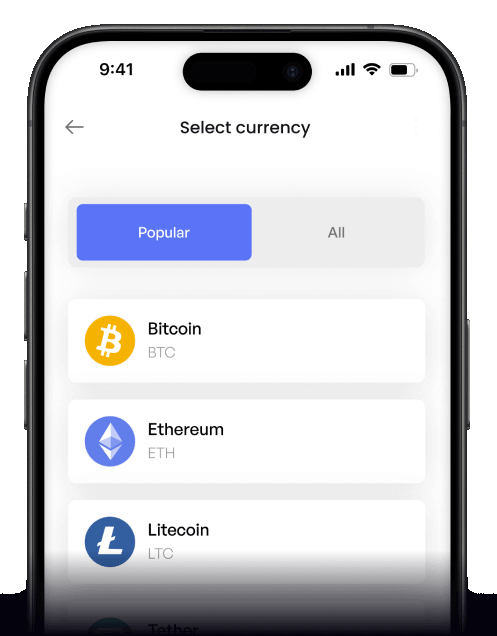
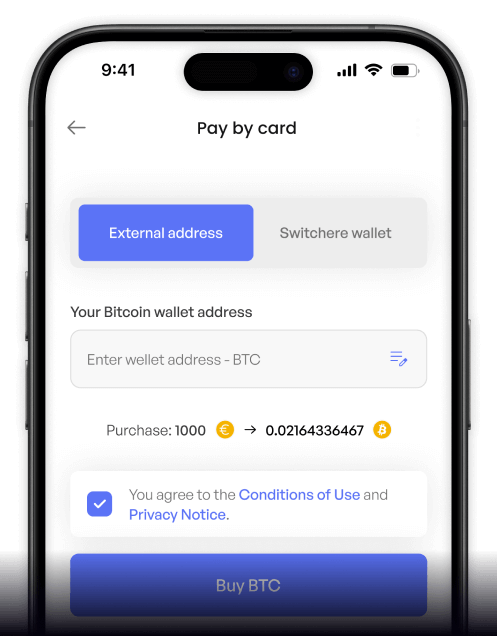
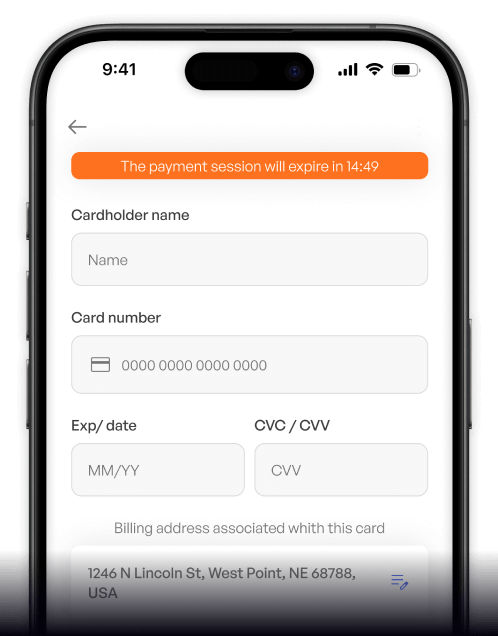
THORChain (RUNE) Nasıl Satın Alınır
 Adım adım rehberlik
 Kolay kredi kartı ödemeleri
 Kolaylaştırılmış satın alma süreci
 Web
Web
Costa Rican Colon (CRC) için Popüler Paralar




Costa Rican Colon (CRC) için Diğer Madeni Paralar








Sıkça sorulan sorular
-
Kosta Rika Kolonu (CRC) ile THORChain (RUNE) satın almanın tipik süreci nedir?
Doğrudan CRC'den RUNE'a işlem çiftleri nadirdir. Standart yöntem iki adımlı bir süreçtir: önce, SINPE veya banka havaleleri gibi ödemeleri kabul eden bir Kosta Rika fiat on-ramp kullanarak BTC veya bir stablecoin gibi büyük bir dijital varlık satın alın. İkinci olarak, bu varlığı THORChain protokolünü destekleyen bir platforma (merkezi bir borsa veya merkezi olmayan bir arayüz) transfer ederek yerel RUNE için zincirler arası bir takas (cross-chain swap) gerçekleştirin. -
İlk CRC alımından sonra bir takas için THORChain protokolünü benzersiz bir seçenek yapan nedir?
THORChain'in temel avantajı, sarılmış (wrapped) tokenlere veya merkezi aracılara dayanmadan yerel varlıkların zincirler arası takasını gerçekleştirme yeteneğidir. CRC'yi dönüştürdükten sonra, yerel BTC'yi (Bitcoin ağından) doğrudan yerel RUNE ile takas edebilirsiniz. Bu süreç, merkezi olmayan bir THORNode ağı ve Bifröst Protokolü tarafından güvence altına alınır, bu da karşı taraf riskini en aza indirir ve sentetik versiyonlar yerine gerçek Katman-1 dijital varlıklarla işlem yapmanızı sağlar. -
THORChain Otomatik Piyasa Yapıcı (AMM) içinde RUNE'un işlevi nedir?
THORChain AMM içinde, RUNE tüm likidite havuzları için temel çift olarak hizmet eder. THORChain'de listelenen her varlık RUNE ile eşleştirilir (ör. BTC/RUNE). Bu tasarım, likiditeyi birleştirir ve listelenen herhangi bir varlığın, RUNE'u aracı uzlaşma varlığı olarak kullanarak tek bir işlemde başka bir varlıkla takas edilmesine olanak tanır. Bu, zincirler arası takas mekanizmasının temelidir ve THORNode operatörlerinin önemli miktarda RUNE bağlaması gerektiğinden ağın güvenliğini sağlamaya da yardımcı olur. -
CRC'den RUNE'a dönüştürme işleminde hangi ücretler söz konusudur?
Toplam işlem maliyeti çok katmanlıdır. İlk olarak, Kosta Rika fiat on-ramp platformunun CRC dönüştürme için aldığı ve banka havalesi veya SINPE ödeme işlem ücretlerini içerebilen bir ücret vardır. İkinci olarak, başlangıçta satın alınan kriptoyu (ör. BTC) takas platformuna taşımak için bir ağ ücreti gerekir. Son olarak, THORChain protokolü, likidite havuzu derinliğine ve gaz maliyetlerine bağlı olan dinamik, ağ tabanlı bir takas ücreti alır ki bu, geleneksel bir emir defteri ücret yapısından farklıdır. -
Geçici kayıp (impermanent loss) nedir ve RUNE ile likidite sağlamakla nasıl bir ilişkisi vardır?
Geçici kayıp, bir AMM'deki likidite sağlayıcıları için potansiyel bir risktir. Bu, varlıkları bir likidite havuzunda tutmak ile sadece bir cüzdanda tutmak arasındaki değer farkıdır. Bir RUNE havuzuna (örneğin, BTC/RUNE) likidite sağlarsanız ve BTC'nin RUNE'a olan fiyat oranı önemli ölçüde değişirse, çektiğiniz varlıkların değeri, onları ayrı ayrı tutsaydınız olacağından daha az olabilir. THORChain'in, uzun vadeli likidite sağlayıcıları için bu riski azaltmayı amaçlayan Geçici Kayıp Koruması adlı benzersiz bir özelliği vardır.

Yolda satın alın
Her yerde. Her zaman.
Kredi kartınızla her yerden kripto para satın alın. Canlı kurlar, şeffaf ücretler ve her siparişte 3D Secure – Switchere'nin eksiksiz kartla satın alma deneyimi artık cebinizde.



Uygulamayı indirmek için tarayın (iOS ve Android)

