


- Strona główna
- Konwerter
- Costa Rican Colon (CRC) do Polkadot (DOT)

Konwertuj
Costa Rican Colon (CRC) na Polkadot (DOT) natychmiast


Kupuj Polkadot (DOT) z Costa Rican Colon (CRC) łatwo w Switchere i korzystaj z szybkich, bezpiecznych transakcji.
O
Polkadot (DOT)
Polkadot (DOT) wyłania się jako protokół blockchain nowej generacji, zaprojektowany w celu ułatwienia bezprecedensowej komunikacji międzyłańcuchowej i interoperacyjności w ramach skalowalnej, bezpiecznej architektury wielołańcuchowej. Jego głównym celem jest umożliwienie różnym łańcuchom bloków, znanym jako parachain, wymiany informacji i transakcji bez zaufania. Stanowi to odpowiedź na poważne wyzwanie związane z silosowaniem blockchainów, gdzie poszczególne sieci działają w izolacji. Podstawowa technologia Polkadot obraca się wokół centralnego łańcucha przekaźników, który zapewnia wspólne bezpieczeństwo i konsensus dla połączonych spadochronów. Łańcuchy te można dostosować do konkretnych przypadków użycia, zbudowanych przy użyciu elastycznej struktury Substrate, wspierając zróżnicowany ekosystem wyspecjalizowanych łańcuchów.
Natywny token DOT odgrywa kilka kluczowych ról w tym ekosystemie zasobów cyfrowych. Jest wykorzystywany do zarządzania siecią, umożliwiając posiadaczom udział w podejmowaniu decyzji dotyczących aktualizacji protokołów i alokacji skarbca. DOT jest również niezbędny do stakingu w ramach mechanizmu konsensusu Nominated Proof-of-Stake (NPoS) firmy Polkadot, w którym nominatorzy wspierają walidatorów, aby zabezpieczyć sieć i zdobyć nagrody. Ponadto tokeny DOT są wiązane przez projekty w celu dzierżawy slotów parachain za pośrednictwem mechanizmu aukcyjnego, umożliwiając im łączenie się z łańcuchem przekaźników i korzystanie z jego połączonych funkcji bezpieczeństwa i interoperacyjności. Ten model tokenomiki zapewnia aktywne uczestnictwo i dostosowanie do długoterminowej kondycji sieci, pozycjonując Polkadot jako podstawową infrastrukturę Web3 dla prawdziwie połączonego systemu cyfrowej księgi.

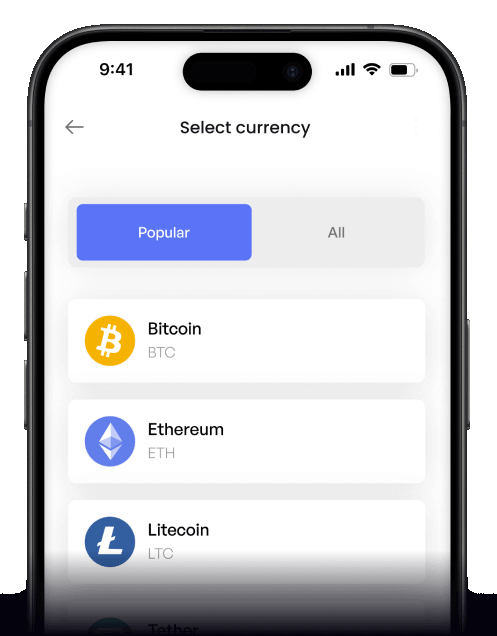
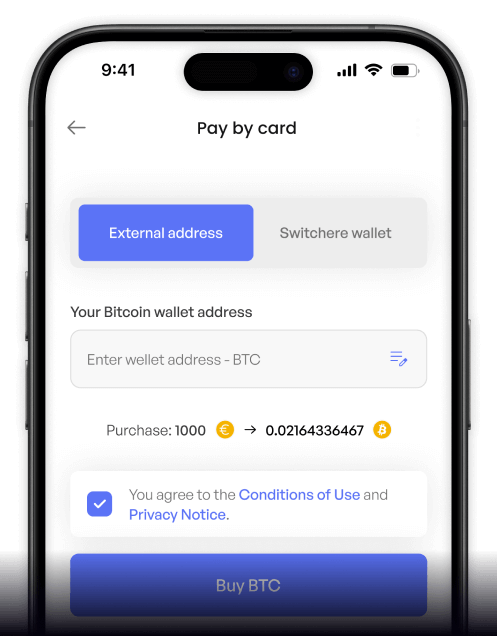
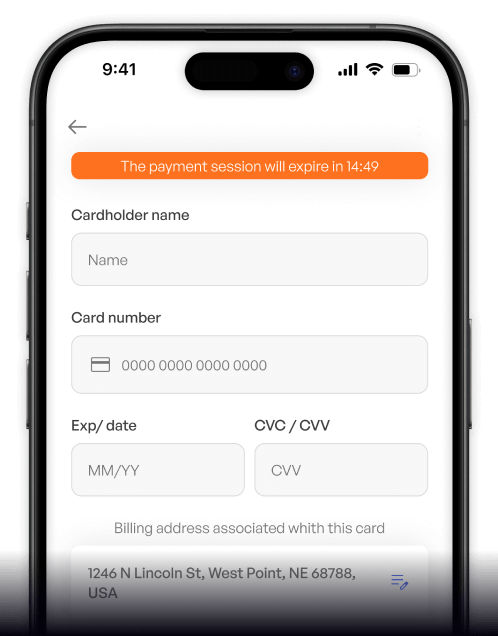
Jak kupić Polkadot (DOT)
 Wskazówki krok po kroku
 Łatwe płatności kartą kredytową
 Usprawniony proces zakupu
 Web
Web
Popularne monety za Costa Rican Colon (CRC)




Inne monety za Costa Rican Colon (CRC)




Często zadawane pytania
-
Jaki jest najbardziej bezpośredni sposób zakupu Polkadot (DOT) za pomocą kolona kostarykańskiego (CRC)?
Najczęstszą metodą jest skorzystanie z giełdy kryptowalut, która służy jako rampa wjazdowa dla CRC. Często obejmuje to platformy peer-to-peer (P2P) lub międzynarodowe giełdy obsługujące lokalne metody płatności, takie jak przelewy bankowe SINPE. Przed dokonaniem zakupu aktywów cyfrowych konieczne będzie ukończenie weryfikacji KYC/AML. -
W jaki sposób nabycie DOT za CRC zapewnia dostęp do funkcji interoperacyjności międzyłańcuchowej Polkadot?
Posiadanie DOT jest niezbędne do uczestnictwa w ekosystemie Polkadot. Po nabyciu, Twój DOT służy jako token zarządzania, może być używany do stakowania w systemie Nominated Proof-of-Stake (NPoS) w celu zabezpieczenia Relay Chain, a także może być związany w celu wspierania aukcji parachain. To bezpośrednie zaangażowanie jest kluczem do wykorzystania współdzielonego bezpieczeństwa i protokołów komunikacji międzyłańcuchowej Polkadot. -
Jakiego rodzaju portfela cyfrowego potrzebuję do tokenów DOT zakupionych za CRC?
Potrzebujesz portfela, który obsługuje sieć Polkadot. Idealne są portfele zbudowane na frameworku Substrate, takie jak Polkadot.js lub kilka wielołańcuchowych portfeli mobilnych. Podczas konfigurowania portfela kluczowe jest bezpieczne utworzenie kopii zapasowej klucza prywatnego lub frazy mnemonicznej, ponieważ jest to jedyny dostęp do Twoich aktywów cyfrowych. -
Czy istnieją szczególne zagrożenia związane z transakcjami blockchain z CRC na DOT?
Główne ryzyka wiążą się z korzystaniem z niereputowanej giełdy kryptowalut oraz nieprawidłowym obsługiwaniem adresu Polkadot. Zawsze dokładnie sprawdzaj publiczny adres odbiorcy przed potwierdzeniem transakcji blockchain, ponieważ są one nieodwracalne. Korzystaj z platform o wysokiej płynności i silnych środkach bezpieczeństwa. Bądź również świadomy potencjalnego poślizgu w księdze zleceń podczas niestabilnych warunków rynkowych. -
Jakie są typowe opłaty za konwersję CRC na DOT na platformie transakcyjnej?
Opłaty mogą się różnić. Spodziewaj się kombinacji opłaty za depozyt CRC (która może być niska w przypadku lokalnych przelewów bankowych), opłaty transakcyjnej (zazwyczaj niewielki procent wartości transakcji) oraz opłaty za wypłatę, jeśli przenosisz swoje DOT do zewnętrznego portfela cyfrowego. Opłaty za transakcje w sieci Polkadot są zazwyczaj bardzo niskie i płatne w DOT.

Kupuj w dowolnym miejscu
Gdziekolwiek. Kiedykolwiek.
Kupuj kryptowaluty kartą kredytową z dowolnego miejsca. Aktualne kursy, przejrzyste opłaty i protokół 3D Secure przy każdym zamówieniu – pełna funkcjonalność serwisu Switchere do zakupu kryptowalut za pomocą karty w zasięgu ręki.



Zeskanuj, aby pobrać aplikację na iOS i Androida

