


전환하다
Costa Rican Colon (CRC)에서 Dogecoin (DOGE)로 즉시


Switchere에서 Dogecoin (DOGE)로 Costa Rican Colon (CRC)를 간편하게 구매하고 빠르고 안전한 거래의 혜택을 누리세요.
정보
Dogecoin (DOGE)
도지코인(DOGE)은 P2P 오픈 소스 암호화폐로, 장난스러운 밈 토큰으로 시작했지만 전용 커뮤니티를 통해 빠르게 저명한 디지털 자산으로 성장했습니다. 2013년 소프트웨어 엔지니어인 빌리 마르쿠스와 잭슨 팔머가 비트코인의 가벼운 대안으로 처음 출시한 도지코인은 인기 밈인 '도지'에 등장하는 시바견을 로고로 사용합니다. 유머러스한 유래에도 불구하고 도지코인은 빠른 거래 속도, 낮은 수수료, 접근성으로 유명해져 온라인 소액 결제와 팁을 주고받는 데 널리 사용되고 있습니다. 도지코인 생태계는 자선 단체, 온라인 모금, 인식 개선 캠페인에 도지코인을 활용한 활기차고 지지적인 커뮤니티에 의해 주도되고 있습니다. 유명 인사들의 지원과 테슬라의 굿즈샵과 같은 플랫폼과의 통합을 통해 도지코인은 문화 현상과 기능적인 디지털 통화로서 관련성을 유지하며 더 넓은 암호화폐 환경에서 밈 코인의 잠재력을 강조하고 있습니다.

Dogecoin (DOGE) 구매 방법
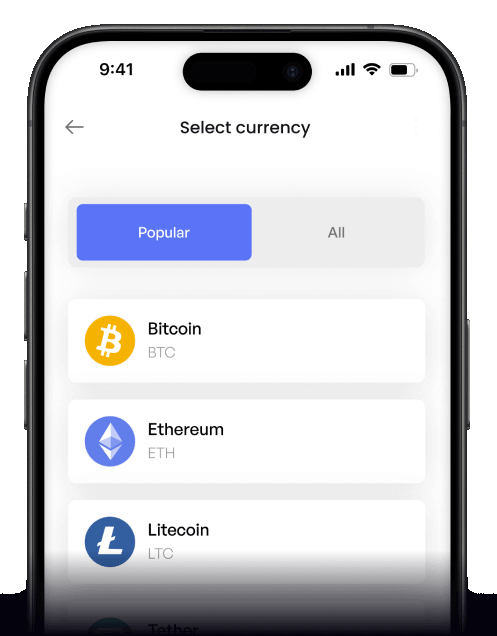
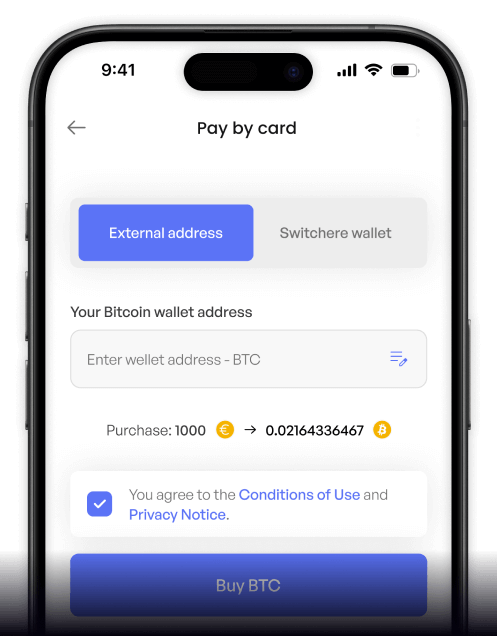
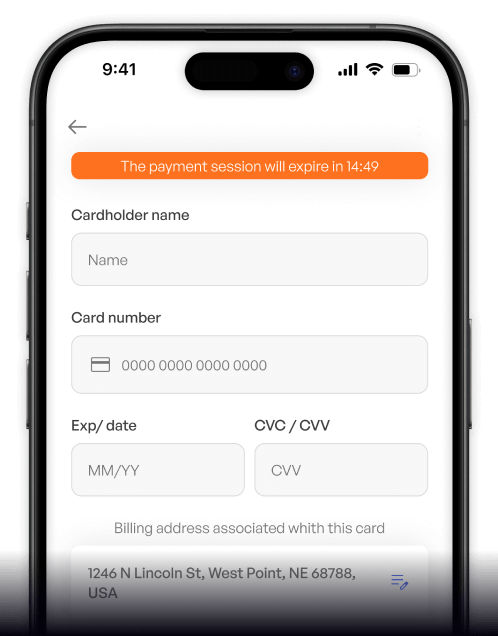
 단계별 안내
 간편한 신용카드 결제
 간소화된 구매 프로세스
 Web
Web
Costa Rican Colon (CRC)에 대한 인기 있는 동전




Costa Rican Colon (CRC)의 다른 코인




자주 묻는 질문
-
코스타리카 콜론(CRC)으로 도지코인(DOGE)을 구매하는 일반적인 방법은 무엇인가요?
주요 거래소에서 CRC/DOGE 직접 거래 쌍은 드물지만, 일반적인 법정화폐 온램프 방법은 SINPE와 같은 코스타리카 은행 송금을 허용하는 P2P 플랫폼이나 현지 거래소를 이용하는 것입니다. 사용자는 일반적으로 먼저 USDT와 같은 스테이블코인을 구매한 다음 이를 DOGE로 거래합니다. 이 다단계 프로세스는 선택한 암호화폐 거래소에서 KYC/AML 준수를 요구합니다. -
도지코인의 작업 증명 메커니즘은 어떻게 저의 CRC에서 DOGE로의 거래를 보호하나요?
CRC를 DOGE로 전환하면 코인 소유권이 도지코인 블록체인에 기록됩니다. 이 블록체인은 스크립트(Scrypt) 알고리즘을 사용하는 작업 증명(PoW) 합의 메커니즘으로 보호됩니다. 채굴자들은 복잡한 퍼즐을 풀어 거래를 검증하고 변경 불가능한 원장에 추가하므로 거래 내역을 변경하기가 매우 어렵습니다. 이 PoW 시스템은 디지털 자산 보유의 무결성을 보장합니다. -
CRC에서 DOGE로 전환하는 데 어떤 종류의 수수료가 포함되나요?
이 과정에는 일반적으로 여러 수수료가 포함됩니다. 첫째, SINPE 또는 계좌 이체에 대해 코스타리카 은행에서 부과하는 수수료가 있을 수 있습니다. 둘째, 법정화폐 게이트웨이 또는 P2P 플랫폼에서 입금 또는 서비스 수수료를 부과합니다. 셋째, 암호화폐 거래소는 USDT에서 DOGE로의 거래에 대해 거래 수수료를 부과합니다. 마지막으로, DOGE를 개인 디지털 지갑으로 인출할 때, 인플레이션 공급 모델의 일부인 소액의 도지코인 네트워크 거래 수수료를 지불하게 됩니다. -
CRC로 DOGE를 구매한 후 가장 안전하게 보관하는 방법은 무엇인가요?
최적의 보안을 위해, 개인 키를 직접 제어할 수 있는 비수탁형 디지털 지갑으로 거래소에서 도지코인을 옮겨야 합니다. 장기 보유의 경우, 하드웨어 지갑은 키를 오프라인으로 보관하므로 최고의 표준입니다. 활발한 사용을 위해서는 공식 도지코인 코어와 같은 소프트웨어 지갑이나 다른 평판 좋은 모바일/데스크톱 지갑이 적합합니다. 거래소(수탁형 지갑)에 코인을 남겨두는 것은 플랫폼별 위험에 노출되는 것입니다. -
코스타리카에서 팁이나 소액 결제와 같은 도지코인의 특정 사용 사례가 있나요?
전 세계적으로 도지코인은 빠른 거래 시간과 낮은 수수료 덕분에 온라인 팁과 소액 결제에 사용되는 '밈 코인'으로 잘 알려져 있습니다. 코스타리카에서 상인들의 광범위한 채택은 아직 개발 중이지만, 개인들은 DOGE를 P2P 거래, 온라인 콘텐츠 제작자 지원, 그리고 이를 수락하는 국제 상인들과의 거래에 사용할 수 있습니다. 주요 유용성은 커뮤니티 내에서의 빠르고 저렴한 디지털 통화 이체에 있습니다.
질문에 대한 답변을 찾을 수 없나요? 실시간 채팅

언제 어디서나 구매하세요
어디서나. 언제든지.
어디서든 신용카드로 암호화폐를 구매하세요. 실시간 환율, 투명한 수수료, 모든 주문에 적용되는 3D Secure까지 – Switchere의 완벽한 카드 구매 서비스를 손안에서 경험해 보세요.



스캔하여 iOS 및 Android용 앱을 다운로드하세요

