


- Accueil
- Convertisseur
- Costa Rican Colon (CRC) pour Ethereum Classic (ETC)

Convertissez
Costa Rican Colon (CRC) en Ethereum Classic (ETC) instantanément


Achetez Ethereum Classic (ETC) avec Costa Rican Colon (CRC) facilement sur Switchere et bénéficiez de transactions rapides et sécurisées.
A propos de
Ethereum Classic (ETC)
Ethereum Classic (ETC) est la continuation de la blockchain Ethereum originale, défendant fermement le principe d'immutabilité après le piratage de la DAO en 2016, qui a conduit à la scission du réseau. Ce réseau décentralisé maintient son engagement envers un mécanisme de consensus par preuve de travail (PoW), utilisant actuellement l'algorithme Etchash, pour assurer une sécurité cryptographique robuste et valider les transactions sur son grand livre numérique. En tant que plateforme fondamentale de contrats intelligents, Ethereum Classic soutient le développement et l'exécution d'applications décentralisées (dApps), en fournissant un environnement sans permission pour les développeurs afin de construire un large éventail de solutions on-chain et d'exploiter sa machine virtuelle Turing-complète. Le jeton ETC natif est essentiel pour l'écosystème, servant principalement de gaz pour payer les frais de transaction et les ressources informatiques nécessaires aux opérations des contrats intelligents et aux transferts de pair à pair au sein de cette infrastructure Web3.
Au-delà de son utilité pour les opérations du réseau, les tokenomics de l'ETC sont conçus avec un plafond d'offre fixe, établi par l'ECIP-1017, visant à le positionner comme un actif numérique solide avec des caractéristiques déflationnistes au fil du temps, ce qui le différencie de la politique monétaire évolutive de l'Ethereum (ETH). Ethereum Classic continue de défendre la philosophie "le code est la loi", offrant une plateforme résiliente et résistante à la censure pour diverses applications DeFi et actifs numériques. Il représente une alternative importante dans le paysage plus large de la technologie blockchain pour les utilisateurs et les développeurs qui donnent la priorité à l'intégrité inébranlable de la chaîne et au modèle de sécurité éprouvé de la preuve de travail pour leurs solutions décentralisées et leurs besoins en matière de sécurité cryptographique, témoignant ainsi de la persistance de la chaîne.

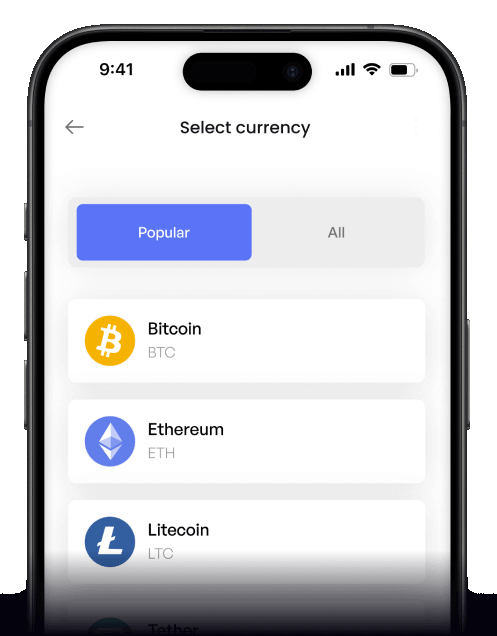
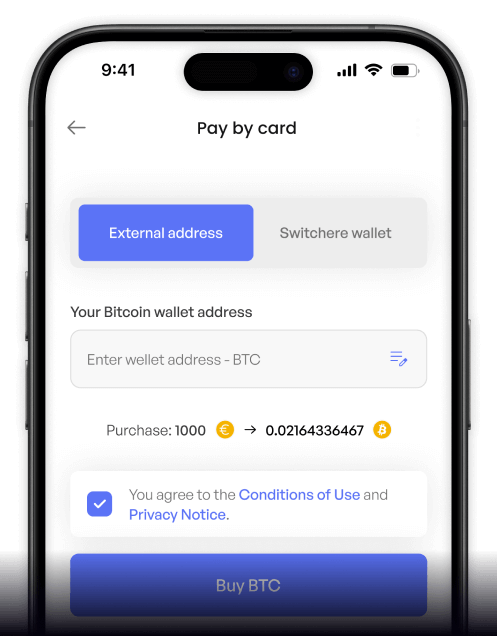
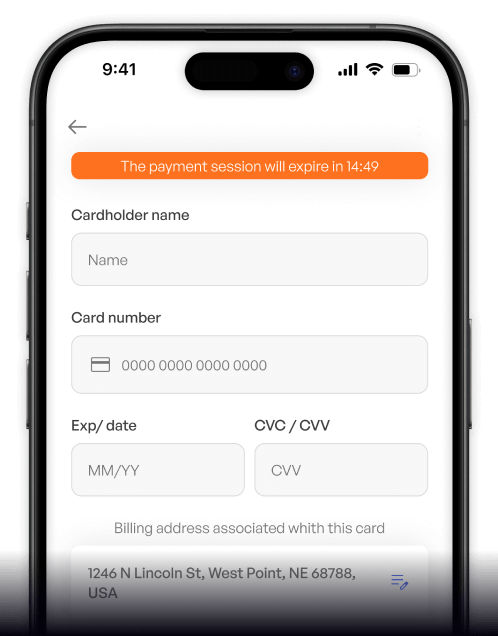
Comment acheter des Ethereum Classic (ETC)
 Conseils étape par étape
 Paiements faciles par carte de crédit
 Processus d'achat simplifié
 Web
Web
Monnaies populaires pour Costa Rican Colon (CRC)





Autres pièces pour Costa Rican Colon (CRC)





Questions fréquemment posées
-
Que représente la paire de trading CRC/ETC sur une plateforme d'échange de cryptomonnaies ?
La paire de trading CRC/ETC indique le taux de change entre le jeton CRC et Ethereum Classic (ETC). Elle vous permet d'échanger directement des CRC contre des ETC, ou vice versa, sur le carnet d'ordres d'une plateforme d'échange. La valeur de cette paire montre combien d'ETC vous pouvez obtenir pour un CRC, offrant une passerelle directe vers l'écosystème Ethereum Classic, qui fonctionne sur un mécanisme de consensus de preuve de travail (Proof-of-Work) stable. -
Qu'est-ce qui distingue le réseau Ethereum Classic lorsque j'acquiers de l'ETC ?
Lorsque vous acquérez de l'ETC, vous interagissez avec la blockchain Ethereum originale. Sa principale distinction est son engagement indéfectible envers la philosophie « Le code fait loi » et son mécanisme de consensus de preuve de travail (PoW), garantissant une immuabilité élevée. Contrairement à son homologue, l'ETC a une politique monétaire fixe avec une offre plafonnée, ce qui en fait un actif de réserve de valeur pour ceux qui privilégient la décentralisation et la prévisibilité. -
Quels types de frais sont impliqués dans un échange de CRC contre ETC ?
L'échange de CRC contre de l'ETC implique généralement deux frais principaux. Le premier est le frais de trading facturé par la plateforme d'échange (centralisée ou décentralisée). Sur un DEX, il s'agit d'un frais de fournisseur de liquidité. Deuxièmement, vous paierez des frais de transaction réseau, ou « frais de gaz », pour traiter la transaction sur les blockchains respectives. La confirmation finale de votre nouveau solde d'ETC dans votre portefeuille numérique aura lieu après que le réseau ETC aura validé la transaction. -
Comment la liquidité dans le carnet d'ordres CRC/ETC affecte-t-elle ma transaction ?
La liquidité est cruciale pour un trading efficace. Une paire CRC/ETC avec une liquidité élevée, c'est-à-dire un carnet d'ordres profond avec de nombreux ordres d'achat et de vente, entraîne un slippage plus faible. Le slippage est la différence entre le prix attendu d'une transaction et le prix auquel elle est exécutée. Une faible liquidité peut entraîner un slippage important, en particulier pour les ordres au marché de grande taille, ce qui signifie que votre transaction pourrait être exécutée à un prix moins favorable. -
Quelles sont les meilleures pratiques de sécurité lors de l'échange de CRC contre de l'ETC ?
Utilisez toujours une plateforme d'échange de cryptomonnaies réputée avec des mesures de sécurité robustes comme l'authentification à deux facteurs (2FA). Lors d'un échange sur un DEX, assurez-vous d'interagir avec la bonne adresse de contrat intelligent pour éviter les arnaques. Après la transaction, il est fortement recommandé de retirer vos ETC de la plateforme vers un portefeuille numérique personnel où vous contrôlez les clés privées. Cela minimise le risque de perte suite à des piratages de plateformes.

Achetez où que vous soyez
Où que vous soyez. À tout moment.
Achetez des cryptomonnaies avec votre carte bancaire où que vous soyez. Taux de change en temps réel, frais transparents et 3D Secure pour chaque commande : toute l'expérience d'achat par carte Switchere à portée de main.



Scannez le code pour télécharger l'application sur iOS et Android

