


- Casa
- Convertitore
- Costa Rican Colon (CRC) per Internet Computer (ICP)

Convertire
Costa Rican Colon (CRC) in Internet Computer (ICP) istantaneamente


Acquistate facilmente Internet Computer (ICP) con Costa Rican Colon (CRC) su Switchere e beneficiate di transazioni rapide e sicure.
Circa
Internet Computer (ICP)
Internet Computer (ICP) è una rete decentralizzata progettata per funzionare come un 'World Computer', fornendo un'infrastruttura Web3 completa per ospitare software, servizi e dati direttamente sulla blockchain. Sviluppato dalla DFINITY Foundation, mira fondamentalmente a estendere le capacità di Internet pubblico, consentendo agli sviluppatori di creare e distribuire applicazioni senza dipendere da fornitori di cloud centralizzati. Il nucleo della sua architettura è la Chain Key Technology, un'innovazione crittografica che permette alla rete di operare alla velocità del web con capacità illimitata. Questa tecnologia consente ai suoi smart contract unici, noti come 'canister', di servire contenuti web interattivi direttamente agli utenti finali, facilitando un'esperienza fluida e completamente on-chain.
La rete utilizza un 'modello di gas inverso', in cui gli sviluppatori pre-caricano i canister con 'cicli'—un carburante computazionale convertito dai token di utilità ICP—per coprire i costi di interazione dell'utente. La governance è gestita dal Network Nervous System (NNS), un sistema tokenizzato on-chain in cui i detentori di ICP mettono in staking i token in 'neuroni' per votare sulle proposte e guadagnare ricompense. Questo posiziona ICP come uno strato fondamentale per la creazione di applicazioni DeFi scalabili, social media decentralizzati e sistemi aziendali interamente on-chain. L'asset digitale ICP è quindi parte integrante per la partecipazione alla rete, per ricompensare i fornitori di macchine nodo e per alimentare la potenza di calcolo del suo ecosistema.

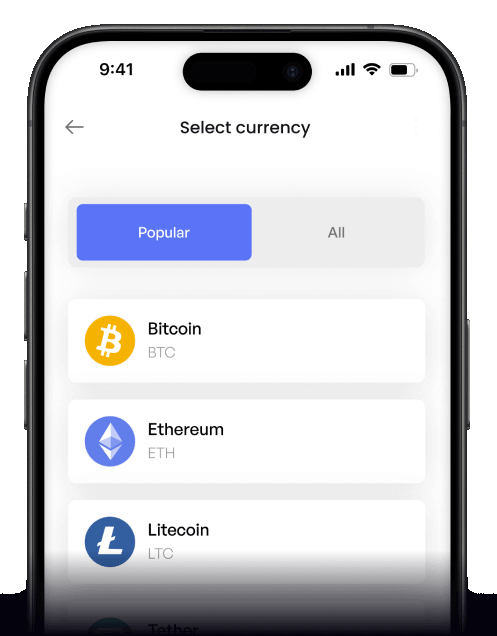
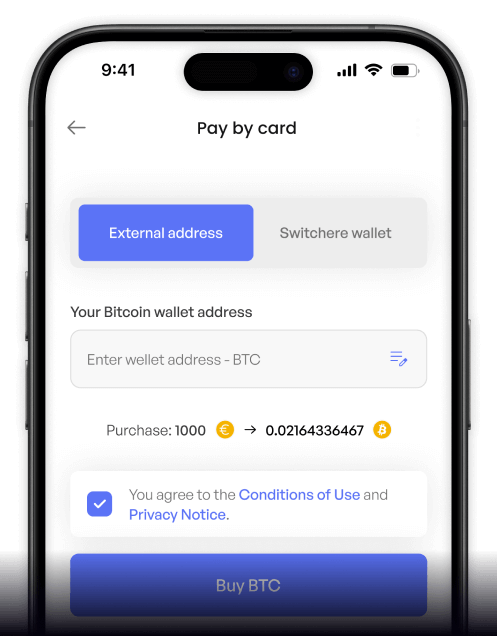
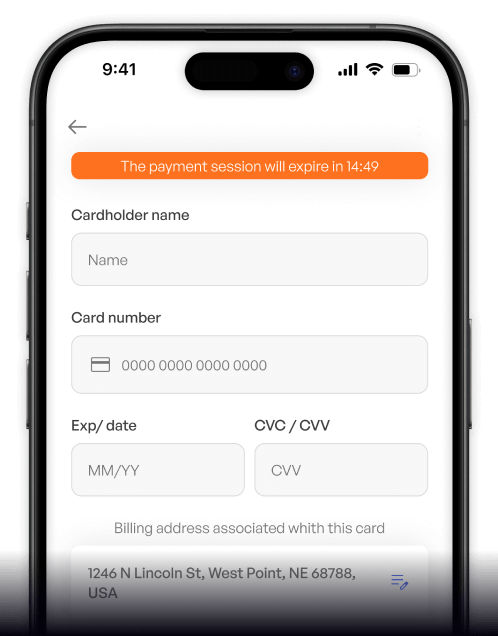
Come acquistare gli Internet Computer (ICP)
 Guida passo passo
 Pagamenti facili con carta di credito
 Processo di acquisto semplificato
 Web
Web
Monete popolari per Costa Rican Colon (CRC)





Altre monete per Costa Rican Colon (CRC)









Domande frequenti
-
Qual è il metodo più comune per acquistare Internet Computer (ICP) con colón costaricani (CRC)?
Le coppie di trading dirette CRC/ICP sono rare. Il metodo più comune è un processo in due fasi: in primo luogo, utilizzare un on-ramp fiat o un exchange P2P che accetta CRC, spesso tramite SINPE o bonifico bancario, per acquistare una criptovaluta principale come USDT o BTC. Successivamente, trasferire quell'asset digitale su un importante exchange di criptovalute con elevata liquidità di ICP e scambiarlo con i token di Internet Computer. -
Cosa sono i 'canister' di ICP e perché sono rilevanti per il mio acquisto di asset digitali?
I canister sono l'evoluzione degli smart contract sulla blockchain di Internet Computer, che raggruppano sia codice che dati e funzionano alla velocità del web. Quando acquisti ICP, stai acquisendo il token di utilità nativo necessario per alimentare questi canister. I token ICP vengono convertiti in 'cycles' (simili al gas) per pagare calcoli e archiviazione, consentendo la creazione di applicazioni e servizi decentralizzati avanzati su questa architettura 'World Computer'. -
Cos'è il Network Nervous System (NNS) e come posso partecipare dopo aver acquistato i token ICP?
Il Network Nervous System (NNS) è il sistema di governance algoritmico e aperto on-chain che controlla l'Internet Computer. Dopo aver acquistato ICP, puoi bloccare i tuoi token in 'neuroni' per partecipare a questa governance. Votando sulle proposte che modellano il futuro della rete, puoi guadagnare ricompense di voto, rendendolo una forma di staking di neuroni che protegge la rete e ti dà voce nella sua evoluzione. -
Ci sono passaggi specifici di conformità KYC/AML quando si utilizza il CRC per gli acquisti di criptovalute?
Sì. Qualsiasi on-ramp fiat regolamentato o exchange di criptovalute che supporti il colón costaricano (CRC) richiederà il completamento della verifica Know Your Customer (KYC) e Anti-Money Laundering (AML). Questo di solito comporta la presentazione di un documento d'identità rilasciato dal governo, una prova di indirizzo e talvolta una dichiarazione sull'origine dei fondi per conformarsi alle normative finanziarie costarricane e internazionali prima di poter iniziare a fare trading. -
Come posso conservare in modo sicuro i miei token ICP dopo la transazione con CRC?
Per la massima sicurezza, dovresti trasferire i tuoi ICP dall'exchange a un portafoglio digitale di cui controlli le chiavi private. La soluzione nativa è Internet Identity, un sistema di autenticazione blockchain che ti permette di creare un'ancora sicura. In alternativa, puoi utilizzare portafogli hardware di terze parti compatibili (cold storage) o portafogli software (hot storage). Non lasciare mai una quantità significativa di asset digitali su un exchange a lungo termine.

Acquista ovunque ti trovi
Ovunque. In qualsiasi momento.
Acquista criptovalute con la tua carta di credito ovunque ti trovi. Tassi in tempo reale, commissioni trasparenti e 3D Secure su ogni ordine: tutta l'esperienza di acquisto con carta di Switchere a portata di mano.



Scansiona il codice per scaricare l'app per iOS e Android

