


- Accueil
- Convertisseur
- Costa Rican Colon (CRC) pour Liquity (LQTY)

Convertissez
Costa Rican Colon (CRC) en Liquity (LQTY) instantanément


Achetez Liquity (LQTY) avec Costa Rican Colon (CRC) facilement sur Switchere et bénéficiez de transactions rapides et sécurisées.
A propos de
Liquity (LQTY)
Liquity est un protocole d'emprunt décentralisé construit sur la blockchain Ethereum qui propose une approche unique du prêt en DeFi. Sa fonction principale est de permettre aux utilisateurs de contracter des prêts à taux d'intérêt nul en utilisant leur Ether (ETH) comme garantie. Ces prêts sont versés en LUSD, un stablecoin entièrement échangeable et indexé sur le dollar américain. Une innovation majeure de ce protocole d'actifs numériques est son efficacité en capital exceptionnelle, ne nécessitant qu'un ratio de garantie minimum de 110 %. Cette conception en fait l'une des solutions d'emprunt on-chain les plus accessibles de l'écosystème de la finance décentralisée, s'attaquant directement au problème de sur-collatéralisation courant sur d'autres plateformes.
L'architecture du système est ancrée dans une véritable décentralisation. Les contrats intelligents de Liquity sont immuables et le protocole fonctionne sans aucune forme de gouvernance, minimisant l'intervention humaine et créant un instrument financier plus prévisible. Son mécanisme de liquidation robuste est géré de manière algorithmique et soutenu par un Pool de Stabilité, où les détenteurs de LUSD peuvent déposer leurs jetons pour participer à la liquidation des positions sous-garanties, appelées Troves. Le jeton utilitaire natif, LQTY, n'est pas un jeton de gouvernance. Sa fonction principale est plutôt le staking. En stakant des LQTY, les détenteurs gagnent une part des frais de protocole générés par l'émission et le rachat de LUSD, fournissant ainsi une source de revenus directe issue des opérations principales du protocole.

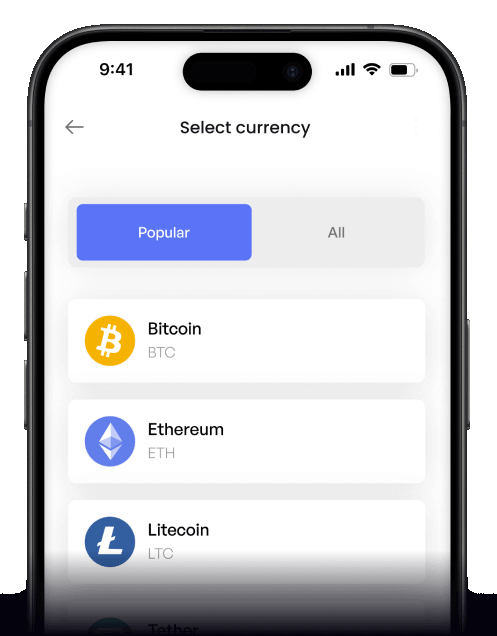
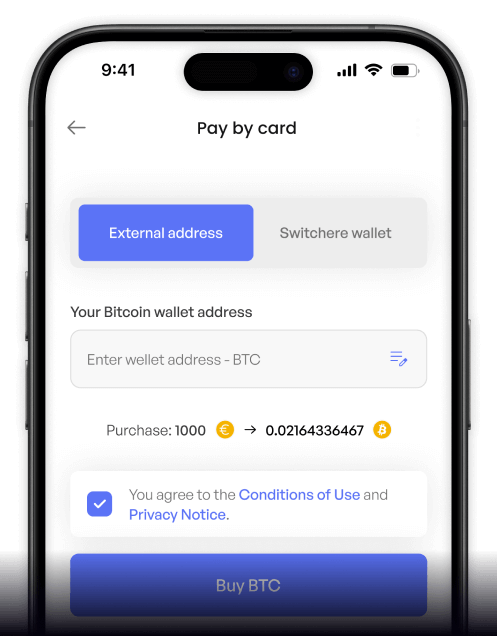
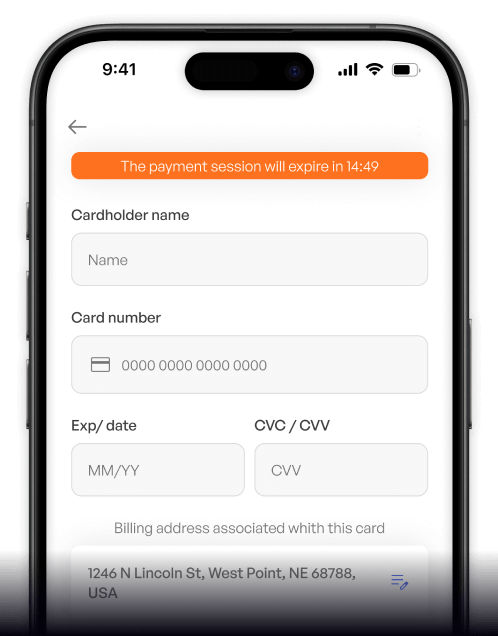
Comment acheter des Liquity (LQTY)
 Conseils étape par étape
 Paiements faciles par carte de crédit
 Processus d'achat simplifié
 Web
Web
Monnaies populaires pour Costa Rican Colon (CRC)





Autres pièces pour Costa Rican Colon (CRC)









Questions fréquemment posées
-
Quel est le processus fondamental pour échanger le Colón costaricien (CRC) contre du Liquity (LQTY) ?
Échanger des CRC contre des LQTY implique de convertir votre monnaie fiduciaire, le Colón costaricien, en l'actif numérique LQTY. Ce processus se déroule généralement sur une plateforme d'échange de cryptomonnaies qui agit comme une passerelle fiat. Vous déposereriez des CRC via des méthodes comme un virement bancaire local, puis les utiliseriez pour acheter du LQTY, qui est un jeton sur la blockchain Ethereum associé au protocole d'emprunt décentralisé Liquity. -
Quelles plateformes prennent en charge un achat direct de Liquity (LQTY) en utilisant le Colón costaricien (CRC) ?
Une paire de trading directe CRC/LQTY est rare en raison d'une liquidité limitée. L'itinéraire le plus courant est un processus en two étapes : d'abord, utilisez une rampe d'accès fiat locale au Costa Rica qui accepte les paiements en CRC comme SINPE pour acheter une cryptomonnaie majeure (par ex. BTC, ETH ou un stablecoin comme USDT). Ensuite, transférez cet actif vers une bourse mondiale avec un volume d'échange élevé pour le LQTY et exécutez la transaction. Vérifiez toujours la conformité KYC/AML sur toute plateforme que vous utilisez. -
Quelle est l'utilité principale du jeton LQTY obtenu avec des CRC ?
L'utilité principale du jeton LQTY se situe au sein du protocole Liquity, une plateforme DeFi basée sur Ethereum. Les détenteurs peuvent staker leurs jetons LQTY pour gagner une part des revenus du protocole, qui sont générés par les frais d'émission (lorsque les utilisateurs empruntent du LUSD) et les frais de rachat. Par conséquent, convertir des CRC en LQTY est un moyen de s'exposer au potentiel de génération de frais de ce protocole d'emprunt décentralisé spécifique. -
Quelles considérations techniques, comme les frais de transaction, sont impliquées lors de l'acquisition de LQTY ?
Étant donné que LQTY est un jeton ERC-20 sur le réseau Ethereum, toute transaction sur la chaîne nécessite le paiement de frais de gaz en ETH. Cela inclut le transfert de LQTY d'une bourse vers un portefeuille numérique auto-hébergé ou son jalonnement dans le pool de stabilité du protocole Liquity. Ces frais de gaz peuvent fluctuer en fonction de la congestion du réseau, il est donc crucial de prendre en compte ce coût variable lors de la planification de votre transaction, de l'achat en CRC à la détention et à l'utilisation de LQTY. -
Comment puis-je stocker en toute sécurité mes jetons Liquity (LQTY) après les avoir achetés avec des CRC ?
Pour une sécurité optimale, vous devriez transférer vos LQTY de la plateforme d'échange vers un portefeuille numérique personnel non dépositaire où vous contrôlez les clés privées. Les options vont des portefeuilles basés sur un navigateur comme MetaMask à des portefeuilles matériels plus sécurisés. Stocker des actifs dans un portefeuille auto-hébergé minimise le risque de contrepartie des plateformes d'échange et vous donne un contrôle direct pour interagir avec des protocoles DeFi comme Liquity pour le jalonnement.

Achetez où que vous soyez
Où que vous soyez. À tout moment.
Achetez des cryptomonnaies avec votre carte bancaire où que vous soyez. Taux de change en temps réel, frais transparents et 3D Secure pour chaque commande : toute l'expérience d'achat par carte Switchere à portée de main.



Scannez le code pour télécharger l'application sur iOS et Android

