


Converter
Costa Rican Colon (CRC) em LUNA Terra 2.0 (LUNA) instantaneamente


Compre LUNA Terra 2.0 (LUNA) com Costa Rican Colon (CRC) facilmente na Switchere e beneficie-se de transações rápidas e seguras.
Sobre
LUNA Terra 2.0 (LUNA)
Terra 2.0 (LUNA) representa uma nova blockchain pública lançada como uma iniciativa impulsionada pela comunidade para reviver o vibrante ecossistema Terra após a perda de paridade de sua stablecoin algorítmica original, a UST. Este novo registro digital opera de forma independente da cadeia original, agora conhecida como Terra Classic (LUNC), e, crucialmente, não apresenta uma stablecoin algorítmica em seu design. O objetivo principal é preservar a valiosa comunidade de desenvolvedores e a vasta gama de aplicativos descentralizados (dApps) que foram construídos na rede Terra original, fornecendo-lhes uma nova base para crescimento e inovação dentro da infraestrutura Web3.
Construída usando o Cosmos SDK e protegida pelo mecanismo de consenso proof-of-stake (prova de participação) da Tendermint, a blockchain Terra 2.0 prioriza o desempenho e a interoperabilidade. O ativo digital nativo, LUNA, é central para a operação da rede. Suas funções primárias são como um token de utilidade para taxas de transação e como um token de staking, onde validadores e delegadores bloqueiam LUNA para proteger a rede descentralizada e ganhar recompensas. Além disso, LUNA serve como o token de governança, capacitando os detentores a votar em propostas-chave de governança on-chain que direcionam o desenvolvimento futuro e a gestão do tesouro do ecossistema, com o objetivo de reconstruir um hub robusto para aplicativos DeFi.

Como comprar LUNA Terra 2.0 (LUNA)
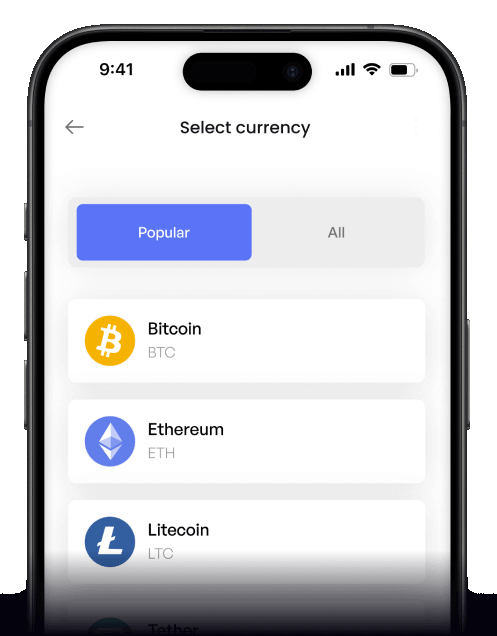
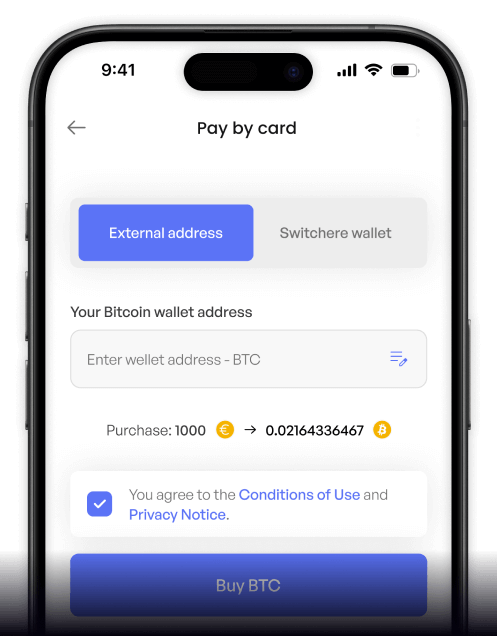
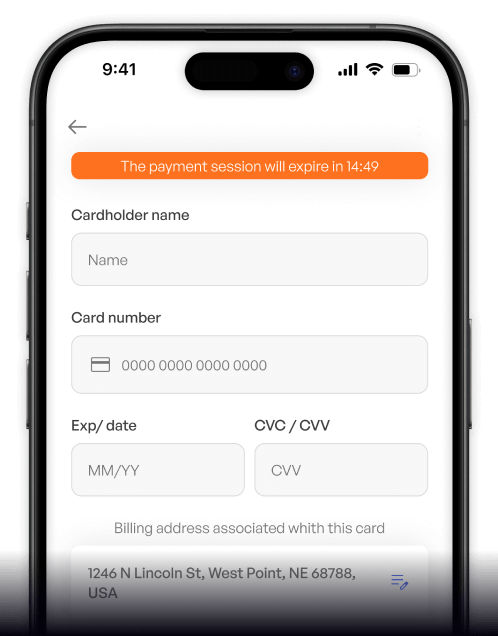
 Orientação passo a passo
 Pagamentos fáceis com cartão de crédito
 Processo de compra simplificado
 Web
Web
Moedas populares para Costa Rican Colon (CRC)




Outras moedas para Costa Rican Colon (CRC)








Perguntas frequentes
-
Qual é a maneira mais comum de comprar Terra 2.0 (LUNA) com Colón Costarriquenho (CRC)?
Pares de negociação diretos CRC/LUNA são raros. O método mais comum é um processo de duas etapas: primeiro, use uma rampa de entrada fiduciária da Costa Rica para converter CRC em uma criptomoeda principal como USDT, geralmente via transferência bancária local ou SINPE Móvil em uma plataforma P2P. Em seguida, transfira esse ativo digital para uma grande exchange de criptomoedas que liste LUNA e negocie-o por LUNA no mercado USDT/LUNA. Isso garante acesso a melhor liquidez e profundidade do livro de ofertas. -
O que é o Terra 2.0 e por que alguém usaria CRC para investir em seu token LUNA?
Terra 2.0 é uma nova blockchain lançada após a perda de paridade da UST, construída usando o Cosmos SDK e operando na mainnet Phoenix-1. Seu token nativo, LUNA, é usado para governança, staking e transações com dApps dentro do ecossistema Terra reconstruído. Investidores da Costa Rica podem usar CRC para adquirir LUNA para participar do potencial dos dApps da Terra, engajar-se em suas propostas de governança ou fazer staking de LUNA para ganhar recompensas através do mecanismo de consenso Tendermint. -
Existem requisitos específicos de KYC/AML ao converter CRC para LUNA?
Sim. Qualquer plataforma respeitável usada para a conversão inicial de CRC para cripto exigirá conformidade com KYC/AML. Isso geralmente envolve o envio de um documento de identidade emitido pelo governo (Cédula de Identidad), comprovante de endereço e, às vezes, uma selfie. A exchange global secundária onde você negocia LUNA também terá seu próprio processo de verificação KYC/AML obrigatório. Esta é uma medida de segurança padrão para todos os ambientes de negociação seguros para prevenir fraudes. -
O que devo procurar em uma carteira digital para armazenar com segurança minha LUNA após a compra?
Após adquirir LUNA, mova-a da exchange para uma carteira digital não custodial onde você controla as chaves privadas. Para LUNA, construída no Cosmos SDK, você deve usar uma carteira que suporte a blockchain Terra 2.0. Opções como Terra Station (a carteira nativa) ou carteiras de hardware multi-chain como Ledger são excelentes escolhas. Certifique-se de que a carteira seja especificamente para a mainnet Phoenix-1, e não para a antiga cadeia Terra Classic, para evitar a perda de seus ativos. -
Quais são as taxas e os tempos de processamento típicos para uma transação de CRC para LUNA?
O custo total e o tempo envolvem várias etapas. A conversão inicial de CRC para cripto por meio de uma transferência bancária local pode ter taxas nominais e levar algumas horas. As plataformas P2P têm sua própria estrutura de taxas. O envio do ativo intermediário (por exemplo, USDT) para outra exchange incorre em uma taxa de rede. Finalmente, a negociação por LUNA tem uma taxa de negociação (geralmente <0,2%). Todo o processo de transação blockchain pode variar de menos de uma hora a várias horas, dependendo do método de pagamento e do congestionamento da rede.

Compre em qualquer lugar
Em qualquer lugar. A qualquer hora.
Compre criptomoedas com seu cartão de crédito de qualquer lugar. Taxas em tempo real, tarifas transparentes e 3D Secure em todos os pedidos — toda a experiência de compra com cartão da Switchere no seu bolso.



Digitalize o código para baixar o aplicativo para iOS e Android

