


Convert
Tunisian dinar (TND) to USDC (TRC20) Instantly


Purchase USDC (TRC20) with Tunisian dinar (TND) easily at Switchere and benefit from fast, secure transactions.
About
USDC (TRC20)
USDC (TRC20) represents a prominent version of USD Coin, a leading fiat-collateralized stablecoin, operating as a TRC20 token on the TRON blockchain. Its primary purpose is to offer a stable digital asset pegged 1:1 to the US dollar, providing a reliable medium of exchange and store of value within the TRON ecosystem and the broader digital asset space. This is achieved through verifiable reserves of US dollars held in segregated accounts with regulated US financial institutions, subject to regular attestations. The utilization of the TRON network allows USDC (TRC20) to benefit from the blockchain's characteristics, such as high throughput and significantly lower transaction fees compared to its counterparts on other chains, making it efficient for frequent transactions and DeFi interactions.
The core technology underpinning USDC (TRC20) combines Circle's issuance and redemption infrastructure with the TRON blockchain's Delegated Proof-of-Stake (DPoS) consensus mechanism. This enables fast settlement times and scalability for users. As a TRC20 token, USDC seamlessly integrates with TRON-based dApps, smart contracts, and wallets. Its main functions include facilitating trading on decentralized exchanges (DEXs), serving as collateral in lending and borrowing protocols, and enabling cost-effective cross-border payments. Within the TRON ecosystem, USDC (TRC20) is a cornerstone for DeFi applications, enhancing liquidity and providing a stable on-chain digital dollar, thus playing a vital role in the Web3 infrastructure by bridging traditional finance with decentralized networks through a trusted and transparent stablecoin.

How to Buy USDC (TRC20)
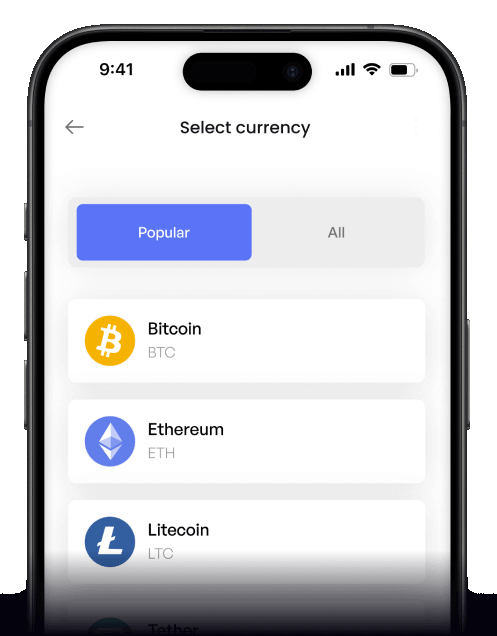
 Step-by-step guidance
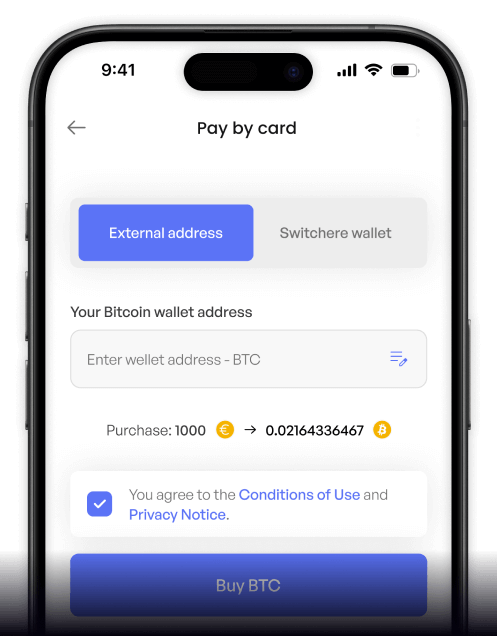
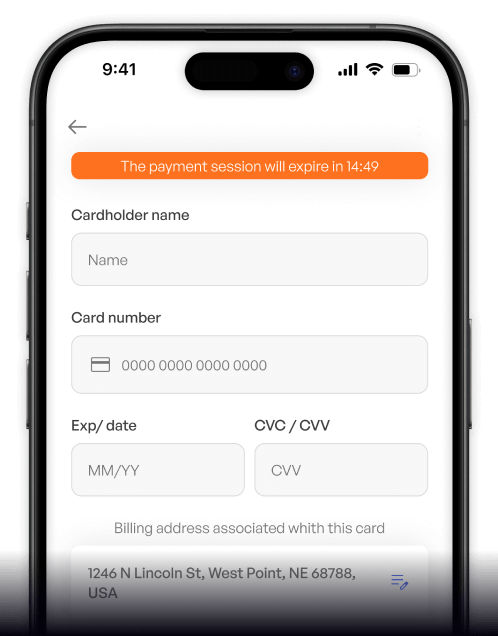
 Easy credit card payments
 Streamlined purchase process
 Web
Web
Popular Coins for Tunisian dinar (TND)




Other Coins for Tunisian dinar (TND)





Frequently asked questions
-
How can I buy USDC (TRC20) using Tunisian Dinar (TND)?
To purchase USDC on the Tron network (TRC20 standard) with TND, you typically need to use a cryptocurrency exchange that acts as a fiat on-ramp in Tunisia. Since direct TND to TRC20 pairs are rare, you may first buy a major digital asset via local bank transfer, and then swap it for USDC. Always ensure the exchange supports the Tron blockchain to benefit from its low transaction fees and high throughput. -
What is the advantage of choosing the TRC20 network for USDC compared to other blockchains?
The primary benefit of using USDC (TRC20) is the Tron network's Delegated Proof of Stake (DPoS) consensus mechanism, which offers significantly lower gas fees and faster transaction settlement times compared to the Ethereum network (ERC-20). This makes micro-transactions and frequent stablecoin transfers much more cost-effective when managing your digital asset portfolio. -
Do I need to complete KYC to exchange TND for USD Coin (USDC)?
Yes, utilizing regulated fiat gateways to convert Tunisian Dinar into cryptocurrency requires KYC/AML compliance. You will need to verify your identity before initiating a TND deposit via wire transfer or debit card to ensure secure trading and comply with international anti-money laundering regulations. -
Which digital wallets support storing USDC TRC20 tokens?
To securely store your USDC TRC20 tokens, you must use a digital wallet compatible with the Tron blockchain. Popular non-custodial options include TronLink, Trust Wallet, and Ledger hardware wallets. These wallets allow you to interact with Tron's smart contract platform and manage your fiat-collateralized stablecoins while maintaining full control over your private keys. -
Are there high fees when converting TND to USDC via local payment methods?
The total cost involves fiat conversion fees, exchange trading fees, and network gas fees. While local bank transfers in Tunisia might incur minimal fiat gateway charges, the actual blockchain transaction fee for a TRC20 token transfer is typically less than a dollar. It is highly recommended to check the order book liquidity and the exchange's fee structure before executing the trade.

Buy on the go
Anywhere. Anytime.
Buy crypto with your credit card from anywhere. Live rates, transparent fees, and 3D Secure on every order - the full Switchere card-buy experience in your pocket.



Scan to download the app iOS and Android

