Convert
KRW to DOT Instantly
Korean Won to Polkadot at the real-time exchange rate


Purchase Polkadot (DOT) with Korean Won (KRW) easily at Switchere and benefit from fast, secure transactions.
About
Polkadot (DOT)
The dynamic exchange rate between the South Korean Won (KRW) and Polkadot (DOT) reflects the intersection of South Korea's vibrant digital asset market and a leading multi-chain ecosystem. When using a KRW to DOT converter, the displayed value is driven by domestic market liquidity, DOT's inherent price volatility, and global forex fluctuations. Additionally, the DOT to KRW rate can occasionally be influenced by local supply and demand dynamics unique to Korean trading platforms.
To buy DOT with KRW, investors typically utilize a regional fiat on-ramp integrated with local banking systems. Direct bank transfers remain the standard payment method, subject to strict KYC/AML guidelines and the Travel Rule mandated by South Korean financial authorities. Consequently, users must ensure their accounts are properly linked to verified real-name bank accounts before trading.
Converting your fiat currency provides direct access to Polkadot's interoperable network, enabling activities like staking and engaging with various parachains. When transferring tokens to a personal wallet, always provide a valid Polkadot address and select the native network to avoid loss of funds. Ensure you account for current blockchain confirmation times and baseline network fees before finalizing your withdrawal.

How to Buy Polkadot (DOT)
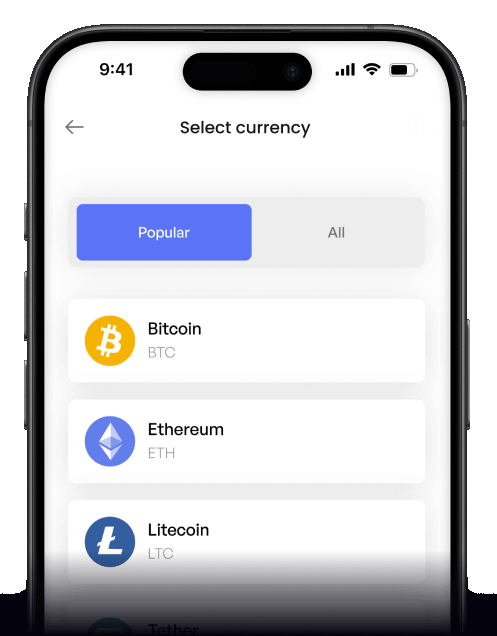
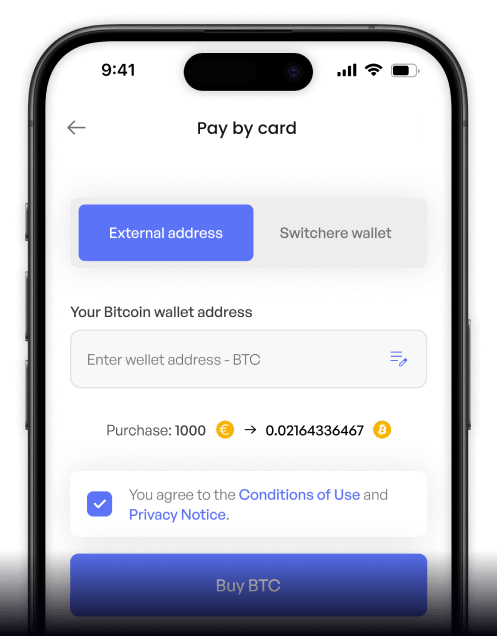
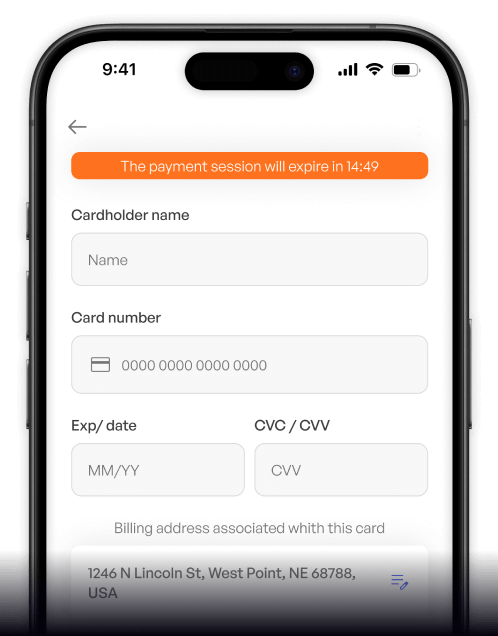
 Step-by-step guidance
 Easy credit card payments
 Streamlined purchase process
 Web
Popular Coins for Korean Won (KRW)


Other Coins for Korean Won (KRW)


Frequently asked questions
-
What exactly is the KRW/DOT trading pair and which platforms support it?
The KRW/DOT trading pair represents the direct exchange rate between the South Korean Won (KRW) and Polkadot's native token, DOT. This pair allows users to buy and sell DOT directly using KRW. It is primarily available on major South Korean cryptocurrency exchanges that provide a fiat on-ramp compliant with local regulations, which typically requires linking a verified, real-name bank account for KYC/AML purposes. -
What technical advantages does Polkadot (DOT) offer to those who buy it with KRW?
When you acquire DOT, you are investing in a digital asset designed for cross-chain interoperability. Polkadot's core technology includes the Relay Chain for shared security, parachains for specialized blockchains, and parathreads for flexible connectivity. Its Nominated Proof-of-Stake (NPoS) consensus mechanism is energy-efficient and allows DOT holders to participate in network security through staking. -
How can I securely use a KRW bank transfer to purchase DOT on a Korean exchange?
To securely buy DOT with KRW, first register on a regulated South Korean exchange. You must complete a strict KYC process by linking a real-name bank account from a partnered bank. After verification, deposit KRW into your exchange wallet via a standard bank transfer. Then, navigate to the KRW/DOT order book, place your buy order, and once executed, consider transferring your DOT to a personal, secure digital wallet for long-term storage. -
What are the benefits of trading DOT directly with KRW instead of another cryptocurrency?
Trading directly via the KRW/DOT pair provides a streamlined fiat on-ramp, eliminating the need for intermediate trades (e.g., KRW to BTC, then BTC to DOT). This reduces exposure to the volatility of an intermediary digital asset and can result in lower transaction fees. It also simplifies the process for Korean investors looking to participate in the Polkadot ecosystem, such as by staking DOT or joining parachain crowdloans. -
Once I own DOT, can I participate in Polkadot's on-chain governance?
Yes, owning DOT tokens grants you the right to participate in Polkadot's comprehensive on-chain governance system. As a DOT holder, you can propose referenda, vote on network upgrades, and influence decisions regarding the network's treasury. This is a fundamental feature of the network, built using the Substrate framework, ensuring decentralized control over the protocol's evolution.

Buy on the go
Anywhere. Anytime.
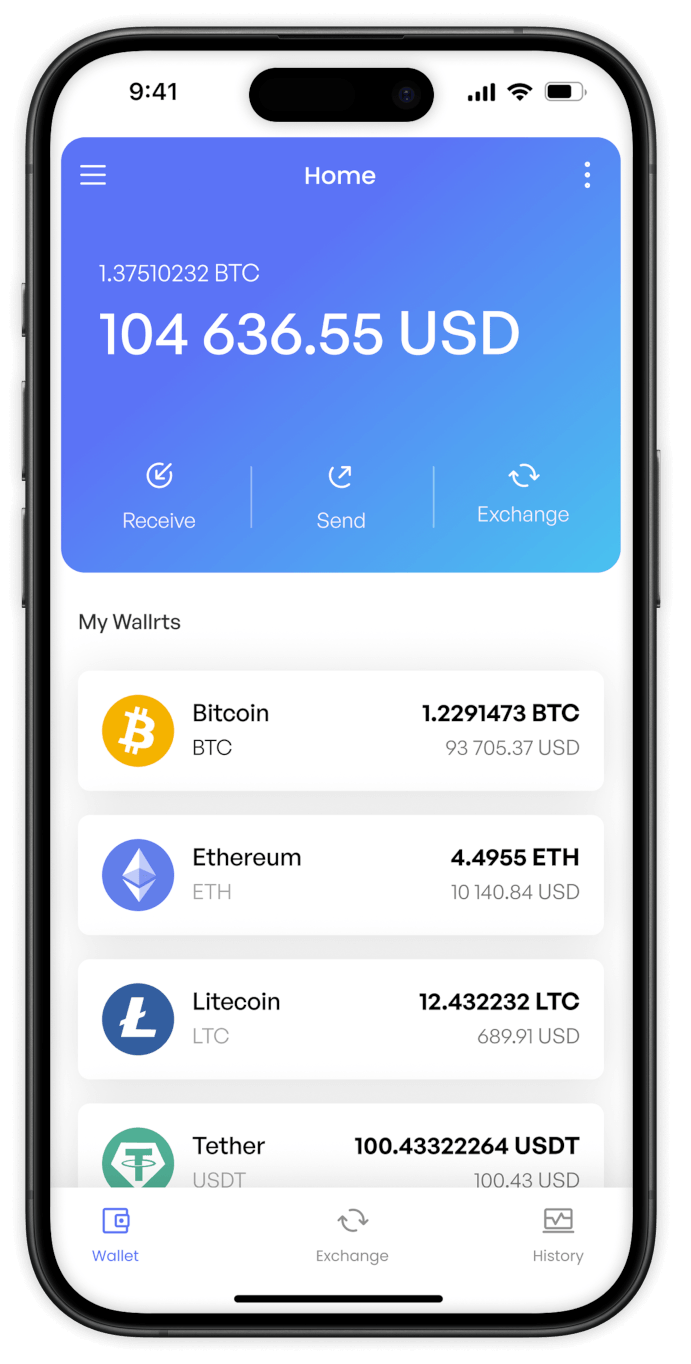
Buy crypto with your credit card from anywhere. Live rates, transparent fees, and 3D Secure on every order - the full Switchere card-buy experience in your pocket.



Scan to download the app iOS and Android