Convert
INR to LDO Instantly
Indian Rupee to Lido DAO Token (ERC20) at the real-time exchange rate


Purchase LDO (ERC20) with Indian Rupee (INR) easily at Switchere and benefit from fast, secure transactions.
About
LDO (ERC20)
Using a dedicated INR to LDO converter allows Indian users to seamlessly track the real-time exchange rate between the Indian Rupee and the governance token of the Lido liquid staking protocol.
The LDO to INR rate is continuously shaped by global market liquidity, the inherent volatility of cryptocurrency markets, and the strength of the Rupee. Since LDO operates primarily as an ERC-20 token on the Ethereum network, conversion quotes also factor in fluctuating blockchain gas fees and network demand.
For individuals looking to buy LDO with INR, local fiat on-ramp services typically support popular regional payment methods such as UPI, IMPS, NEFT, and bank transfers, alongside standard credit or debit cards. Processing these fiat-to-crypto transactions requires compliance with standard KYC and AML regulations applicable to Indian financial ecosystems.
When converting your Rupee reserves into LDO, ensure you provide a compatible Ethereum wallet address. Transaction settlement and confirmation times depend on current Ethereum network congestion. This trading pair is particularly favored by Indian crypto participants seeking voting rights and governance participation within the decentralized Lido ecosystem, bridging local fiat directly with advanced decentralized finance applications.

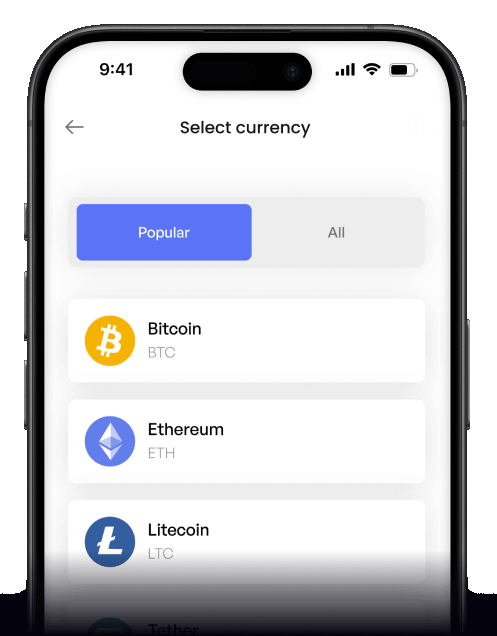
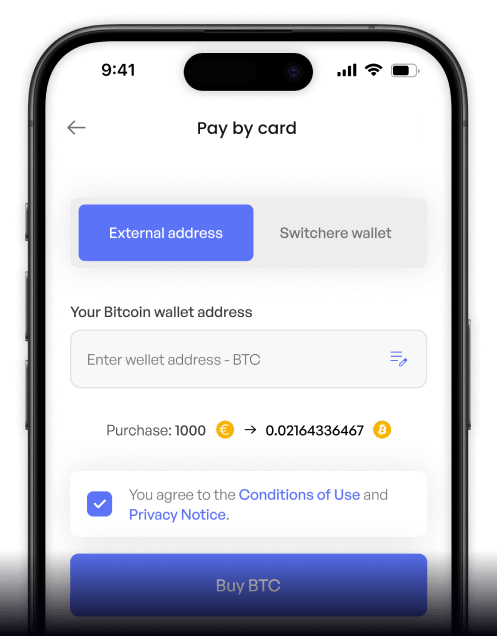
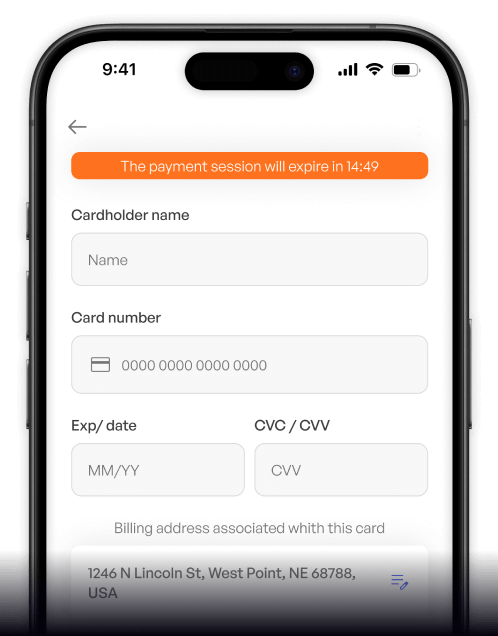
How to Buy LDO (ERC20)
 Step-by-step guidance
 Easy credit card payments
 Streamlined purchase process
 Web
Popular Coins for Indian Rupee (INR)


Other Coins for Indian Rupee (INR)


Frequently asked questions
-
What are the common methods for purchasing Lido DAO Token (LDO) with Indian Rupees (INR)?
To purchase LDO with INR, Indian investors typically use a regulated cryptocurrency exchange that serves as a fiat on-ramp. The most common payment methods include UPI (Unified Payments Interface), bank transfers (NEFT/RTGS), and IMPS. Users must complete KYC/AML compliance procedures, after which they can deposit INR into their exchange wallet, navigate to the INR/LDO order book, and execute a trade for the digital asset. -
What is the primary function of the LDO token within the Lido liquid staking protocol?
The LDO token is the native governance token for the Lido DAO (Decentralized Autonomous Organization). Its primary utility is to grant holders voting rights on key protocol parameters and upgrades. By holding LDO, users can participate in governing the liquid staking protocol, influencing decisions on fee structures, node operator selection, and treasury management for assets like stETH (staked ETH). -
Are there specific regulatory considerations for INR to LDO transactions in India?
Yes, all digital asset transactions originating from INR are subject to India's tax and regulatory framework. This includes mandatory KYC/AML checks on all centralized exchanges. Furthermore, profits from trading LDO are subject to capital gains tax as per local laws. It's crucial for users to transact via reputable platforms that comply with Indian regulations to ensure secure trading and proper reporting. -
After buying LDO, how does it relate to earning staking rewards from Ethereum?
While LDO itself is a governance token and not directly staked for ETH rewards, it governs the Lido protocol which facilitates liquid staking for Ethereum. Users stake ETH through Lido to receive stETH, a staking derivative that accrues rewards. LDO holders vote on the protocol's direction, such as the commission taken from these staking rewards, thereby indirectly influencing the entire yield-generating ecosystem. -
What are the typical fees when using an INR fiat on-ramp to acquire LDO?
Fees can be broken down into three types. First, a deposit fee for adding INR to the exchange via UPI or bank transfer, which is often low or zero. Second, a trading fee, typically a small percentage (e.g., 0.1% to 0.5%) of the transaction value on the INR/LDO order book. Third, a withdrawal fee if you move your LDO from the exchange to a private digital wallet, which is a flat crypto amount to cover the blockchain transaction cost.

Buy on the go
Anywhere. Anytime.
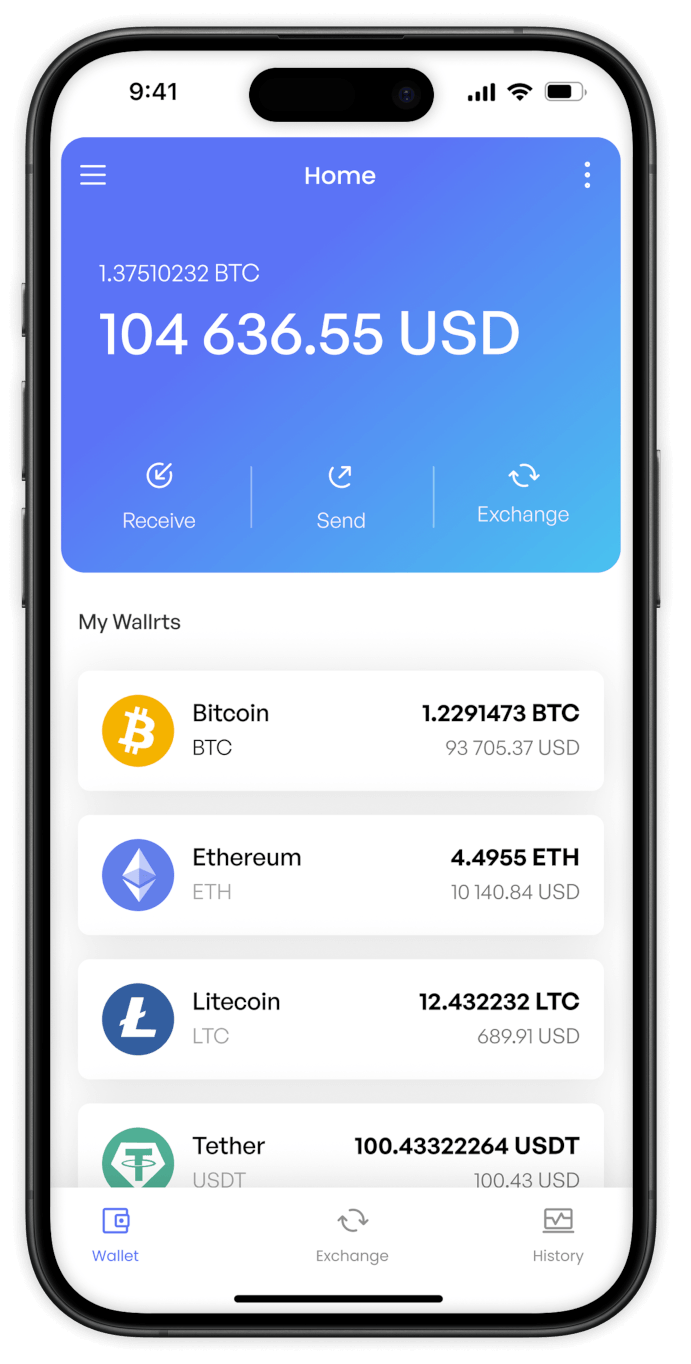
Buy crypto with your credit card from anywhere. Live rates, transparent fees, and 3D Secure on every order - the full Switchere card-buy experience in your pocket.



Scan to download the app iOS and Android