Convert
DZD to ETC Instantly
Algerian dinar to Ethereum Classic at the real-time exchange rate


Purchase Ethereum Classic (ETC) with Algerian dinar (DZD) easily at Switchere and benefit from fast, secure transactions.
About
Ethereum Classic (ETC)
Converting the Algerian Dinar into Ethereum Classic represents a crucial fiat on-ramp for users looking to access the immutable original Ethereum blockchain. When using a DZD to ETC converter, the exchange rate is primarily influenced by the global market liquidity of ETC, local currency valuations, and the inherent volatility of the cryptocurrency markets.
For Algerian residents looking to buy ETC with DZD, payment methods typically involve local bank transfers, credit cards, or supported mobile payment solutions, all subject to standard KYC/AML compliance. The ETC to DZD rate you secure will also account for the platform's liquidity and associated conversion fees. Receiving your digital assets requires an Ethereum Classic compatible wallet address. Since ETC operates on its own independent Proof-of-Work network, users should be aware of standard network fees and confirmation times, which are generally swift but fluctuate with network congestion.
This trading pair is primarily utilized by local investors aiming to diversify their portfolios into decentralized, smart-contract-enabled assets while bypassing traditional financial barriers. Understanding these technical dynamics ensures a more efficient and secure exchange process when moving funds between the Algerian financial system and the Ethereum Classic ecosystem.

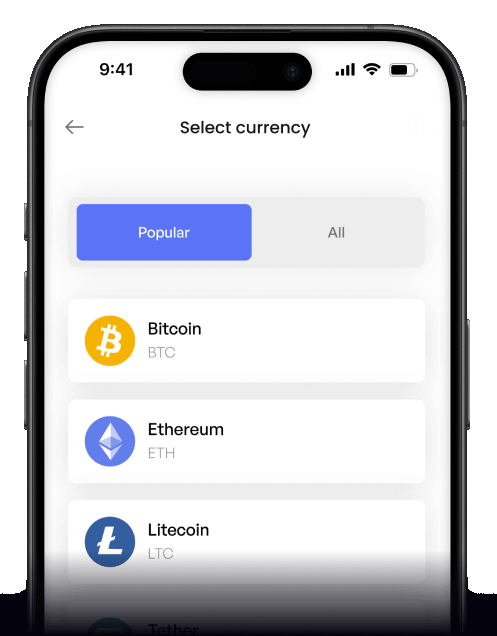
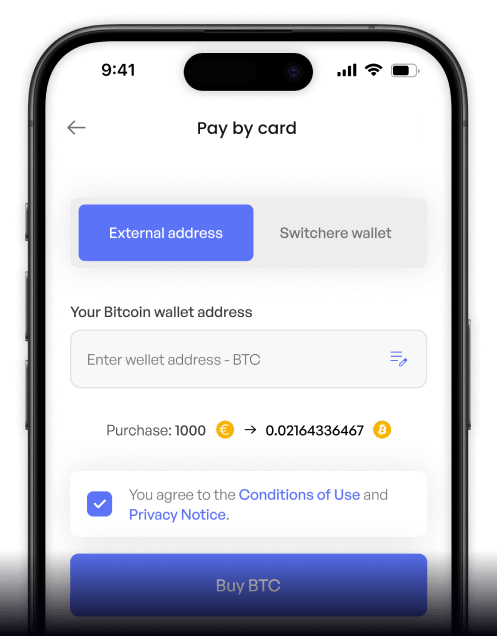
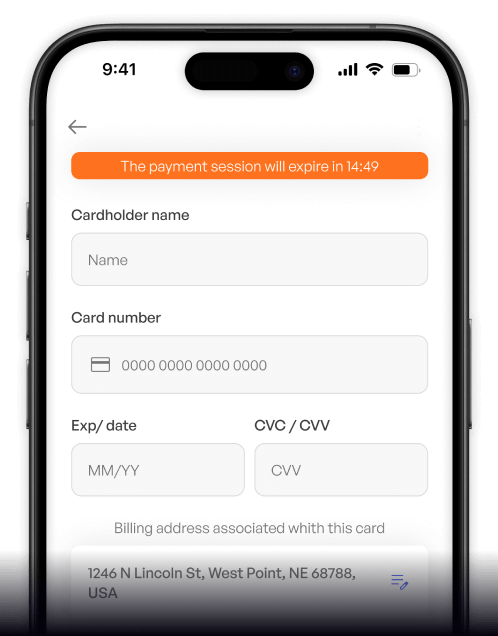
How to Buy Ethereum Classic (ETC)
 Step-by-step guidance
 Easy credit card payments
 Streamlined purchase process
 Web
Popular Coins for Algerian dinar (DZD)


Other Coins for Algerian dinar (DZD)


Frequently asked questions
-
What are the common methods to buy Ethereum Classic (ETC) with Algerian Dinar (DZD)?
Direct DZD/ETC trading pairs on major cryptocurrency exchanges are uncommon. The most frequent method involves using a peer-to-peer (P2P) platform that supports Algerian Dinar bank transfers or local payment methods to first buy a liquid stablecoin like USDT or Bitcoin (BTC). Afterwards, you can use that digital asset on an exchange to trade for Ethereum Classic on its ETC/USDT or ETC/BTC order book. This two-step process serves as a reliable fiat on-ramp. -
What technically defines Ethereum Classic (ETC) and its Proof-of-Work mechanism?
Ethereum Classic is the original Ethereum blockchain that continued after the 2016 DAO hard fork. It upholds the principle of 'Code is Law,' ensuring immutability. Technically, it is a decentralized, open-source smart contract platform that operates on a Proof-of-Work (PoW) consensus mechanism. PoW requires miners to solve complex computational puzzles to validate transactions and create new blocks, a process which secures the ETC blockchain against attacks and ensures distributed consensus without a central authority. -
What KYC/AML compliance is typically required when using DZD for a digital asset purchase?
Any regulated platform facilitating a fiat on-ramp with Algerian Dinar (DZD) will enforce strict Know Your Customer (KYC) and Anti-Money Laundering (AML) procedures. Users must typically provide a government-issued photo ID (passport, national ID card), proof of address (utility bill, bank statement), and sometimes a source of funds declaration. This KYC/AML compliance is critical for secure trading and to prevent illicit financial activities, aligning with both global standards and local Algerian financial regulations. -
What are the advantages of building dApps on the Ethereum Classic ecosystem?
Developing dApps on Ethereum Classic offers several key benefits. Its strict adherence to immutability and the 'Code is Law' philosophy provides a highly predictable and stable environment for smart contracts. The Proof-of-Work (PoW) consensus is considered by many to be the most battle-tested and secure mechanism for a public blockchain. Furthermore, the ETC blockchain generally has lower network transaction fees (gas) compared to Ethereum, making it more cost-effective for developers and users of dApps within the growing ETC ecosystem. -
What types of fees are involved in a DZD to ETC blockchain transaction?
A complete DZD to ETC transaction typically involves multiple fees. First, there may be deposit fees for transferring Algerian Dinar to a P2P platform or exchange. Second, the platform will charge a trading fee for executing the trade (e.g., DZD to USDT, then USDT to ETC). Finally, when you withdraw your ETC to a personal digital wallet, you must pay the ETC network transaction fee, also known as gas. This gas fee compensates PoW miners for validating the blockchain transaction.

Buy on the go
Anywhere. Anytime.
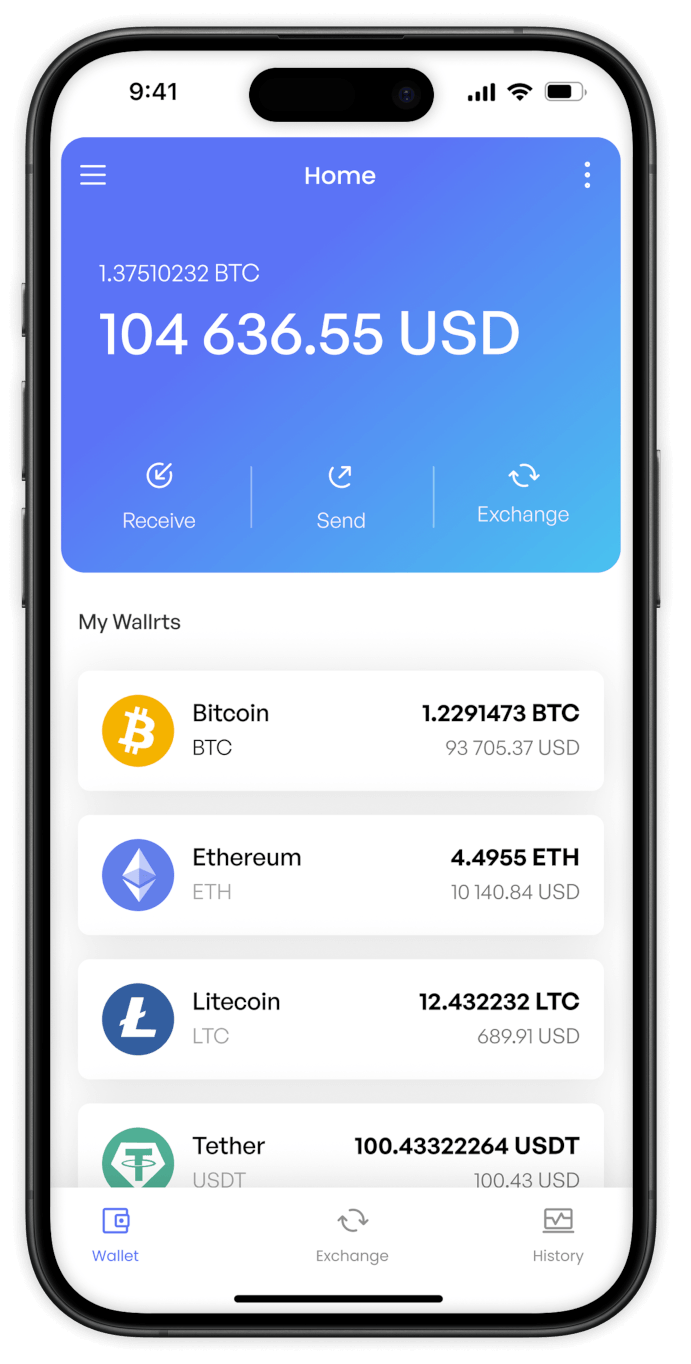
Buy crypto with your credit card from anywhere. Live rates, transparent fees, and 3D Secure on every order - the full Switchere card-buy experience in your pocket.



Scan to download the app iOS and Android