Convert
DZD to AAVE Instantly
Algerian dinar to Aave (ERC20) at the real-time exchange rate


Purchase AAVE (ERC20) with Algerian dinar (DZD) easily at Switchere and benefit from fast, secure transactions.
About
AAVE (ERC20)
Monitoring the AAVE to DZD rate is essential for Algerian residents looking to interact with decentralized finance (DeFi). A reliable DZD to AAVE converter reflects real-time market liquidity, balancing the local exchange rate of the Algerian Dinar against the inherent volatility of Aave's governance token. When users buy AAVE with DZD, the conversion rate is influenced by global trading volumes and fiat on-ramp availability within the region.
Since direct banking integrations for DZD are limited in the crypto space, investors typically utilize international card payments, wire transfers, or peer-to-peer (P2P) platforms requiring standard KYC/AML verification. Aave operates primarily as an ERC-20 token on the Ethereum blockchain, meaning that users securing their assets in a private wallet address must account for variable network fees (gas). Understanding these mechanics ensures a smoother transition from fiat currency to decentralized lending protocols. By leveraging an accurate exchange rate, users can efficiently navigate the bridge between the Algerian financial ecosystem and borderless DeFi markets.

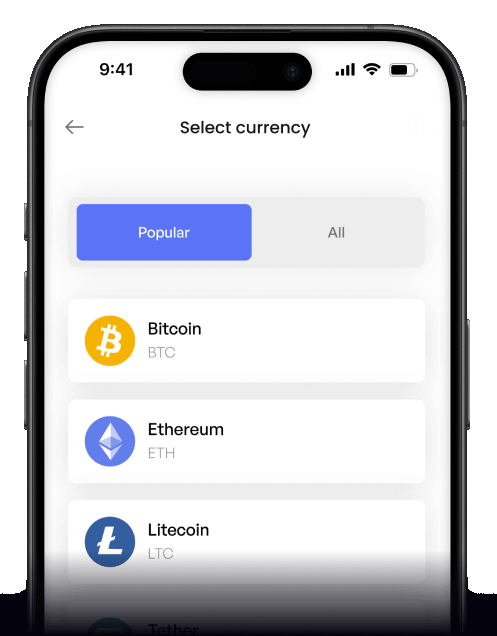
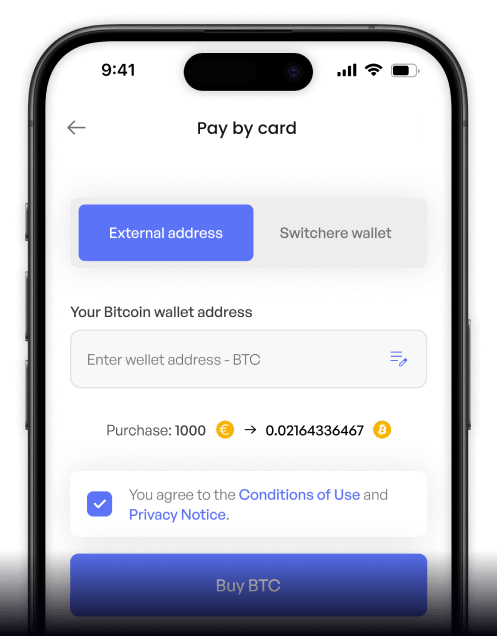
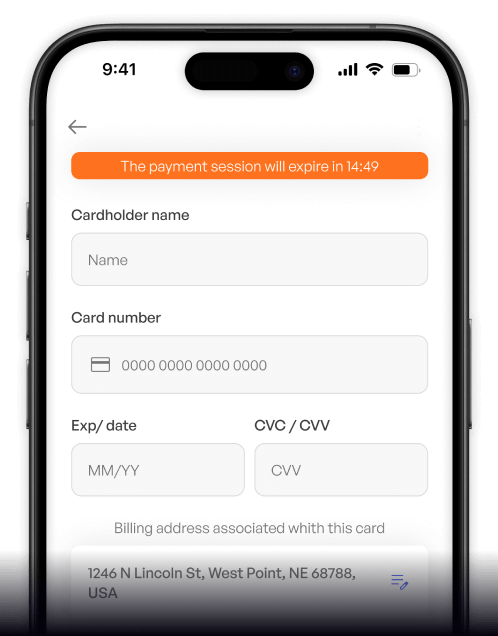
How to Buy AAVE (ERC20)
 Step-by-step guidance
 Easy credit card payments
 Streamlined purchase process
 Web
Popular Coins for Algerian dinar (DZD)


Other Coins for Algerian dinar (DZD)


Frequently asked questions
-
What is the most common way to buy Aave (AAVE) with Algerian Dinar (DZD)?
Direct DZD/AAVE trading pairs are uncommon on centralized exchanges. The most frequent method is using a peer-to-peer (P2P) platform as a fiat on-ramp. Typically, you would buy a more liquid cryptocurrency like USDT or BTC with DZD via a local bank transfer, and then trade that asset for AAVE on a cryptocurrency exchange that lists the Aave DeFi protocol token. -
What is the core function of the AAVE token within its DeFi lending protocol?
AAVE is the native governance token of the Aave protocol, a leading decentralized liquidity protocol. Its primary functions are governance, allowing holders to vote on Aave Improvement Proposals (AIPs), and staking. Users can stake AAVE in the protocol's Safety Module to act as a backstop in case of a shortfall event, earning staking rewards in return for helping secure this major EVM-based DeFi market. -
What are 'flash loans' and how do they relate to the Aave protocol?
Flash loans are a unique feature pioneered by the Aave protocol. They allow users to borrow any amount of assets from the protocol's liquidity pools without posting any collateral, provided that the loan is repaid within the same blockchain transaction. This enables complex DeFi strategies like arbitrage and collateral swaps, showcasing the advanced capabilities of smart contract platforms. -
Are there specific security risks to consider when acquiring AAVE through P2P platforms with DZD?
Yes. When using P2P platforms, always trade with reputable vendors with high ratings and a significant number of completed transactions. Use the platform's escrow service, which holds the crypto until your fiat payment is confirmed. Never conduct trades outside the platform's official system. Once you acquire the intermediate asset (e.g., USDT), move it to a reputable cryptocurrency exchange for the final trade to AAVE and then to a secure, personal digital wallet. -
What are 'aTokens' and how do they work in the Aave ecosystem?
When you supply a digital asset to the Aave protocol's liquidity pool, you receive a corresponding amount of 'aTokens' in your digital wallet. These are interest-bearing tokens pegged 1:1 to the value of the underlying asset. For example, depositing DAI yields aDAI. The balance of these aTokens grows in real-time, reflecting the interest earned from the lending activity, representing your claim on the decentralized pool.

Buy on the go
Anywhere. Anytime.
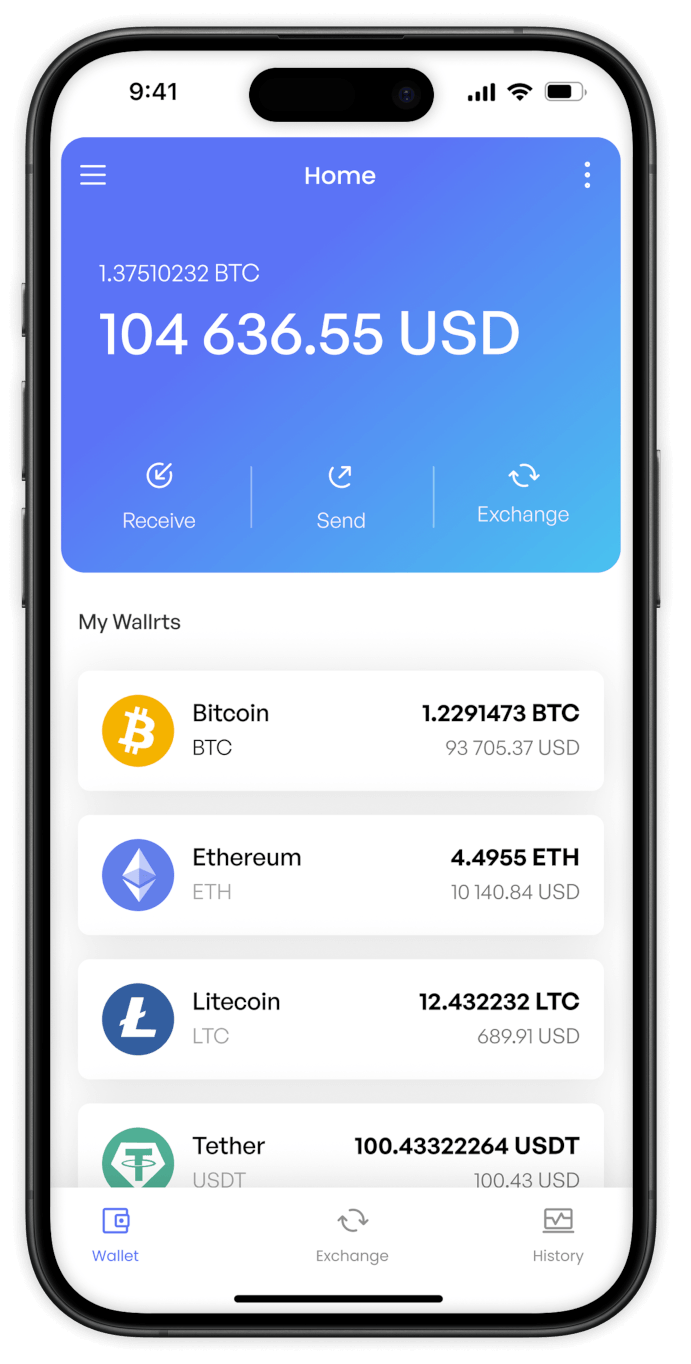
Buy crypto with your credit card from anywhere. Live rates, transparent fees, and 3D Secure on every order - the full Switchere card-buy experience in your pocket.



Scan to download the app iOS and Android