


 Web
Web







The Ultimate Guide to Buying, Converting, and Valuing XRP with British Pounds (GBP)
 Oliver Grant
|
Oliver Grant
|
Sep 15, 2026

Purchase Ripple (XRP) with Costa Rican Colon (CRC) easily at Switchere and benefit from fast, secure transactions.
Ripple (XRP) is a digital asset specifically engineered to optimize global payments, focusing on facilitating secure, instantaneous, and low-cost international financial transactions. It addresses the inherent latency and high fees associated with traditional corresponding banking systems by utilizing its native blockchain, the XRP Ledger (XRPL). The XRPL employs a unique consensus mechanism, often referred to as the XRP Ledger Consensus Protocol, which differs from traditional Proof-of-Work or Proof-of-Stake, enabling transaction validation in approximately 3-5 seconds. This architecture ensures the digital ledger is highly scalable and efficient for high-volume payment processing, a core tenet of its tokenomics.
The XRP token plays a crucial role within the Ripple ecosystem, primarily serving as a bridge currency to facilitate cross-border settlements and providing On-Demand Liquidity (ODL) for financial institutions on the RippleNet network. This utility allows entities to transfer value globally without the need for pre-funded nostro accounts, reducing capital requirements and settlement times. XRP is also used to pay for the minimal transaction fees on the XRP Ledger. Ripple's focus on enterprise-grade solutions and its payment protocol positions it as a significant digital asset in the realm of real-time gross settlement (RTGS) systems, aiming to establish a more efficient and interconnected global financial infrastructure by leveraging blockchain technology for interbank communication and value transfer.

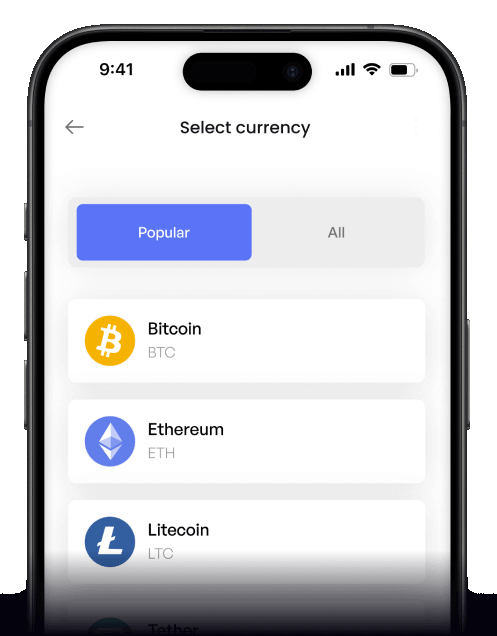
 Step-by-step guidance
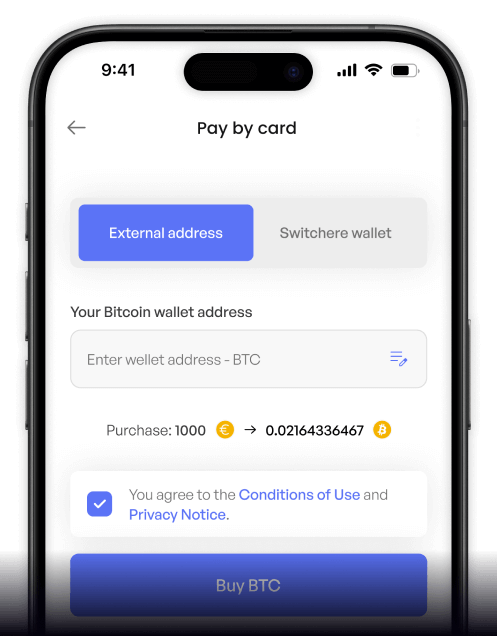
 Easy credit card payments
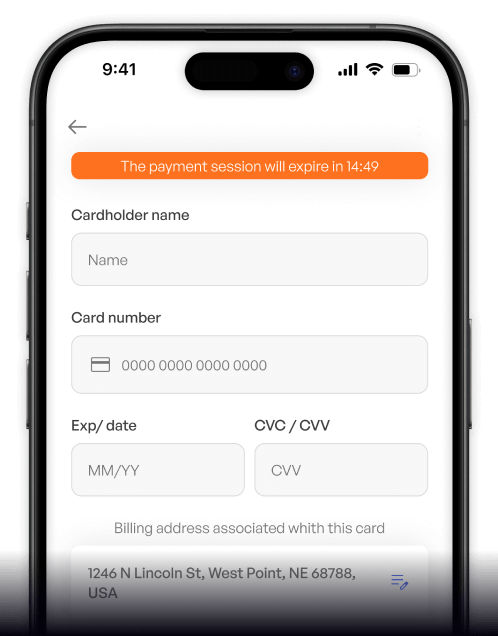
 Streamlined purchase process
Oliver Grant
|
Oliver Grant
|
Streamlined purchase process
Oliver Grant
|
Oliver Grant
|
 Farouk Ahmed
|
Farouk Ahmed
|
Buy crypto with your credit card from anywhere. Live rates, transparent fees, and 3D Secure on every order - the full Switchere card-buy experience in your pocket.



Scan to download the app iOS and Android

Our website uses cookies. Our Cookie Policy
