


Converter
Costa Rican Colon (CRC) em eCash (XEC) instantaneamente


Compre eCash (XEC) com Costa Rican Colon (CRC) facilmente na Switchere e beneficie-se de transações rápidas e seguras.
Sobre
eCash (XEC)
O eCash (XEC) é uma iteração renomeada do Bitcoin Cash ABC (BCHA), projetada para funcionar como dinheiro eletrônico seguro e acessível para a infraestrutura Web3. Seu objetivo é cumprir a visão de um ativo digital sem atrito, otimizado para transações peer-to-peer diárias.
A rede descentralizada integra um mecanismo de consenso híbrido exclusivo, combinando o modelo tradicional de segurança Proof-of-Work (PoW) de sua linhagem Bitcoin com uma camada revolucionária de consenso Avalanche. Esse salto arquitetônico permite a finalidade instantânea de transações, uma escalabilidade significativamente aprimorada e segurança criptográfica fortificada contra ataques de 51%. Além disso, o protocolo eCash suporta a criação de ativos digitais personalizados conhecidos como eTokens, promovendo um ecossistema descentralizado diversificado, com taxas de transação extremamente baixas e alto rendimento (throughput).
O utility token nativo, XEC, atende a várias funções vitais on-chain. Ele é utilizado como um meio de troca altamente eficiente para microtransações, facilita a governança de rede descentralizada e fornece recompensas de staking por meio da integração do Avalanche. Adicionalmente, o XEC atua como a moeda fundamental para o processamento de contratos inteligentes e taxas de rede. Posicionado como uma solução de pagamentos altamente escalável, o eCash representa um desenvolvimento crucial na busca por um livro-razão digital (digital ledger) descentralizado e adotado globalmente, capaz de impulsionar a adoção de criptomoedas no mainstream.

Como comprar eCash (XEC)
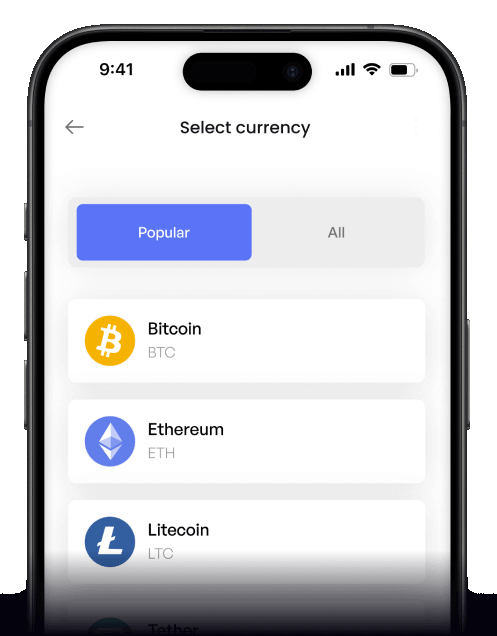
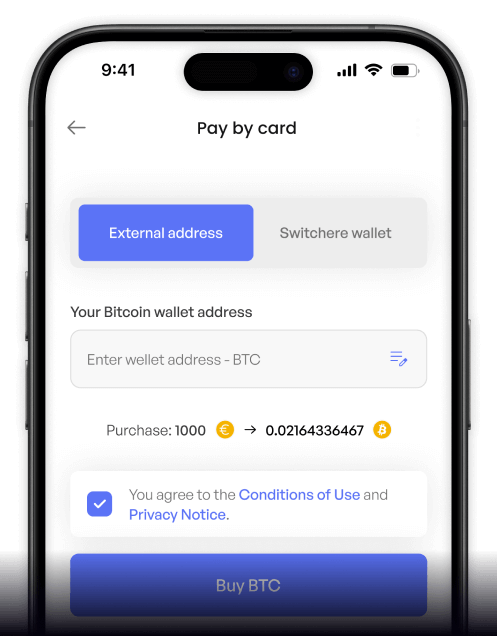
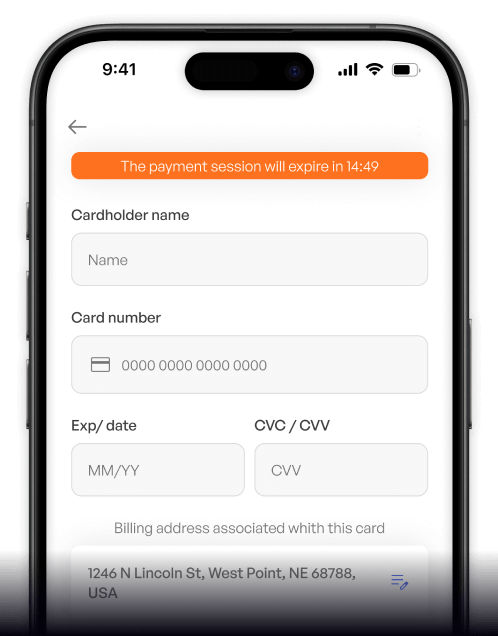
 Orientação passo a passo
 Pagamentos fáceis com cartão de crédito
 Processo de compra simplificado
 Web
Web
Moedas populares para Costa Rican Colon (CRC)





Outras moedas para Costa Rican Colon (CRC)




Perguntas frequentes
-
Como posso comprar eCash (XEC) usando colones costarriquenhos (CRC)?
Para comprar eCash (XEC) com colones costarriquenhos (CRC), você geralmente precisa de uma rampa de fiat (fiat on-ramp) que suporte os mercados da América Central. Embora os pares de negociação diretos CRC/XEC nas principais exchanges globais de criptomoedas possam ter menor liquidez, os usuários frequentemente utilizam plataformas locais peer-to-peer (P2P). Você pode financiar sua conta via transferências bancárias locais ou SINPE Móvil para comprar uma stablecoin como o USDT primeiro, e então trocá-la por XEC para aproveitar seus recursos de microtransações com taxas baixas e a segurança de pós-consenso da Avalanche. -
Quais são os métodos de pagamento mais comuns para trocar CRC por XEC?
Ao utilizar um gateway de fiat na Costa Rica, os métodos mais eficientes para depósitos em CRC são transferências diretas por IBAN e SINPE Móvil, devido aos seus rápidos tempos de processamento. Cartões de crédito e débito também são amplamente aceitos por exchanges internacionais, embora possam incorrer em taxas mais altas de conversão de fiat. Uma vez que o CRC é depositado e a conformidade KYC/AML é verificada, você pode executar uma ordem de mercado ou limite para adquirir eCash, aproveitando seu protocolo de camada base (base layer) projetado para dinheiro eletrônico. -
Por que devo considerar converter colones costarriquenhos em eCash (XEC)?
A conversão de CRC para XEC fornece acesso direto a um ativo digital projetado explicitamente para utilidade diária como dinheiro digital. Ao contrário das redes blockchain tradicionais que lutam com o dimensionamento, o eCash utiliza um modelo único de Prova de Trabalho (Proof-of-Work - PoW) aprimorado pelo consenso Avalanche, permitindo finalidade quase instantânea e custos de transação fracionários. Isso torna o XEC altamente prático para remessas internacionais ou microtransações em comparação com os sistemas bancários tradicionais na América Latina. -
Existem taxas significativas ao negociar o par CRC/XEC?
As taxas dependem da exchange de criptomoedas escolhida e da rota de financiamento. As compras diretas com cartão de crédito em colones costarriquenhos acarretam taxas padrão de processamento do comerciante mais o spread. No entanto, a taxa de transação na blockchain para transferir o próprio XEC é praticamente insignificante, custando frequentemente uma fração de centavo. Se a rota for através de uma stablecoin (por exemplo, CRC para USDT e depois XEC), você deve contabilizar as taxas de volume de negociação tanto da rampa de fiat (fiat on-ramp) quanto do mercado à vista (spot market) secundário. -
Preciso concluir o KYC para comprar eCash com CRC?
Sim, utilizar uma exchange centralizada ou gateway de fiat regulamentado para converter colones costarriquenhos em ativos de criptomoedas exige rigorosa conformidade KYC/AML. Isso envolve a verificação de identidade para prevenir atividades ilícitas. Redes P2P não custodiais podem oferecer níveis mais flexíveis, mas para acessar alta liquidez e ambientes de negociação seguros para adquirir eCash e explorar seu ecossistema de eToken, a conclusão das verificações de identidade padrão é um requisito do setor.

Compre em qualquer lugar
Em qualquer lugar. A qualquer hora.
Compre criptomoedas com seu cartão de crédito de qualquer lugar. Taxas em tempo real, tarifas transparentes e 3D Secure em todos os pedidos — toda a experiência de compra com cartão da Switchere no seu bolso.



Digitalize o código para baixar o aplicativo para iOS e Android

