


- Casa
- Convertidor
- Turkish lira (TRY) a Liquity (LQTY)

Convertir
Turkish lira (TRY) a Liquity (LQTY) al instante


Compre Liquity (LQTY) con Turkish lira (TRY) fácilmente en Switchere y benefíciese de transacciones rápidas y seguras.
Acerca de
Liquity (LQTY)
Liquity es un protocolo de préstamos descentralizado construido sobre la blockchain de Ethereum que ofrece un enfoque único para los préstamos DeFi. Su función principal es permitir a los usuarios obtener préstamos sin intereses utilizando su Ether (ETH) como colateral. Estos préstamos se pagan en LUSD, una stablecoin totalmente canjeable y vinculada al dólar estadounidense. Una innovación principal de este protocolo de activos digitales es su excepcional eficiencia de capital, que requiere una ratio de colateralización mínima de solo el 110%. Este diseño lo convierte en una de las soluciones de préstamo on-chain más accesibles disponibles en el ecosistema de las finanzas descentralizadas, abordando directamente el problema de la sobrecolateralización común en otras plataformas.
La arquitectura del sistema se basa en una verdadera descentralización. Los contratos inteligentes de Liquity son inmutables y el protocolo opera sin ninguna forma de gobernanza, minimizando la intervención humana y creando un instrumento financiero más predecible. Su robusto mecanismo de liquidación se gestiona algorítmicamente y está respaldado por un Pool de Estabilidad, donde los poseedores de LUSD pueden depositar sus tokens para participar en la liquidación de posiciones subcolateralizadas, conocidas como Troves. El token de utilidad nativo, LQTY, no es un token de gobernanza. En su lugar, su función principal es el staking. Al hacer staking de LQTY, los titulares ganan una parte de las comisiones del protocolo generadas por la emisión y el canje de LUSD, proporcionando un flujo de ingresos directo de las operaciones principales del protocolo.

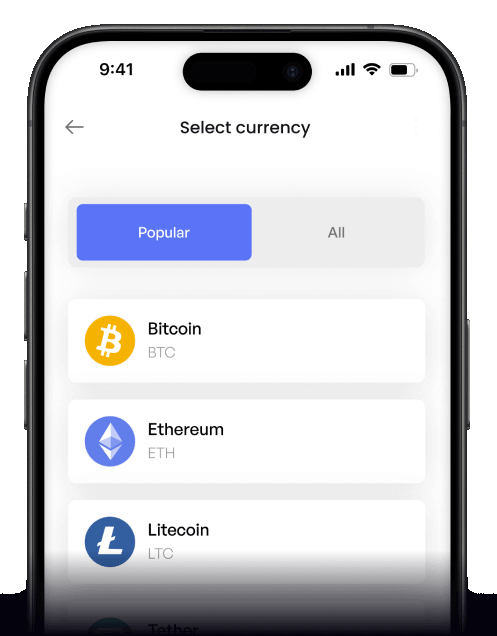
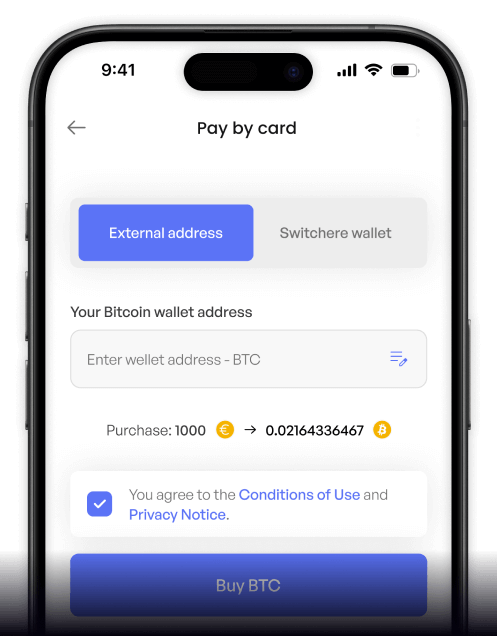
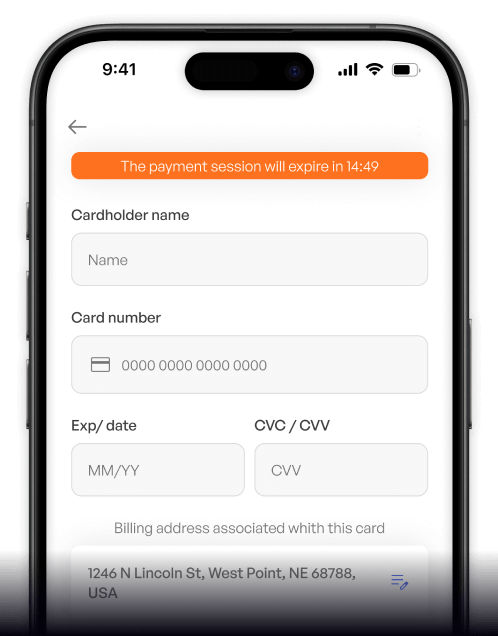
Cómo comprar Liquity (LQTY)
 Guía paso a paso
 Facilidad de pago con tarjeta de crédito
 Proceso de compra simplificado
 Web
Web
Monedas populares para Turkish lira (TRY)





Otras monedas para Turkish lira (TRY)









Preguntas más frecuentes
-
¿Qué representa el par de trading TRY/LQTY en las finanzas descentralizadas?
El par TRY/LQTY es una rampa de acceso fiat que permite a los usuarios comprar el token de gobernanza de Liquity (LQTY) directamente con liras turcas. Esto es importante para acceder al protocolo Liquity, un sistema de préstamos descentralizado en Ethereum que permite a los usuarios obtener préstamos sin intereses contra colateral de Ether, emitiendo la stablecoin LUSD. Comprar directamente con TRY elimina la necesidad de convertir primero a otro activo digital como BTC o ETH. -
¿Cuáles son los pasos comunes para comprar LQTY con liras turcas en un exchange de criptomonedas?
Primero, seleccione un exchange de criptomonedas regulado que liste el par TRY/LQTY y complete el cumplimiento KYC/AML requerido. Luego, deposite liras turcas en su cuenta, generalmente a través de una transferencia bancaria local (EFT/Havale). Una vez que los fondos se acrediten, navegue al mercado TRY/LQTY, coloque una orden en el libro de órdenes y ejecute la operación. Por seguridad, se recomienda retirar sus tokens LQTY del exchange a una billetera digital personal compatible con Ethereum. -
¿Cuál es la utilidad principal del token LQTY dentro del protocolo Liquity?
La utilidad principal de LQTY es el staking. Los poseedores pueden stakear sus tokens LQTY en el protocolo Liquity para ganar una parte de los ingresos del protocolo. Estos ingresos se generan a partir de las comisiones pagadas cuando los usuarios piden prestado LUSD (comisión de emisión) y cuando canjean LUSD por el colateral de ETH subyacente (comisión de redención). Este mecanismo alinea los intereses de los poseedores de tokens con el éxito del protocolo. -
¿Cuáles son los riesgos clave a entender antes de operar con LQTY, específicamente relacionados con su protocolo?
Más allá de la volatilidad del mercado, LQTY está ligado a la salud del protocolo Liquity. Los riesgos clave incluyen vulnerabilidades de contratos inteligentes, ya que el protocolo se basa en código. Otro es el mecanismo de liquidación; una fuerte caída en el precio de Ethereum podría desencadenar liquidaciones masivas de 'Troves' (posiciones de deuda colateralizada). La estabilidad de la stablecoin LUSD también depende del mecanismo de redención del protocolo y de la efectividad del Stability Pool, que son componentes cruciales a monitorear. -
¿Qué tipo de comisiones intervienen en el proceso de compra de LQTY con TRY y su transferencia?
El proceso implica varias comisiones potenciales. Primero, podría haber una comisión de depósito por su transferencia bancaria en TRY, aunque muchos exchanges lo ofrecen gratis. Segundo, el exchange de criptomonedas cobrará una comisión de trading (comisión de maker/taker) por ejecutar la operación TRY/LQTY. Finalmente, cuando retire los LQTY a su billetera digital, pagará una comisión de retiro al exchange y una tarifa de gas de red por la transacción de blockchain en la red Ethereum.

Compra desde cualquier lugar
En cualquier lugar. En cualquier momento.
Compra criptomonedas con tu tarjeta de crédito desde cualquier lugar. Tipos de cambio en tiempo real, comisiones transparentes y 3D Secure en cada pedido: toda la experiencia de compra con tarjeta de Switchere en tu bolsillo.



Escanea el código para descargar la aplicación para iOS y Android

