


- Casa
- Convertidor
- Turkish lira (TRY) a USDC (Polygon)

Convertir
Turkish lira (TRY) a USDC (Polygon) al instante


Compre USDC (Polygon) con Turkish lira (TRY) fácilmente en Switchere y benefíciese de transacciones rápidas y seguras.
Acerca de
USDC (Polygon)
USD Coin (USDC), que opera en la red Polygon, representa una stablecoin con garantía fiduciaria crítica, diseñada para proporcionar estabilidad de precios manteniendo una vinculación 1:1 con el dólar estadounidense, al tiempo que aprovecha la eficiencia de la solución de escalado Layer 2 de Polygon. Su objetivo principal es ofrecer un dólar digital fiable y transparente que facilite transacciones de bajo coste y alta velocidad dentro del ecosistema financiero descentralizado (DeFi) de Polygon, en rápida expansión. Cada token USDC está respaldado por un dólar estadounidense mantenido en reservas, gestionado por el consorcio Centre (fundado por Circle y Coinbase), con atestaciones regulares que garantizan la transparencia y la redimibilidad, cruciales para un activo digital de confianza.
Tecnológicamente, USDC en Polygon utiliza el mecanismo de consenso Proof-of-Stake (PoS) de la red y su arquitectura compatible con EVM. Esto permite una integración perfecta en una amplia gama de dApps basadas en Polygon, proporcionando tarifas de gas significativamente reducidas y una liquidación de transacciones más rápida en comparación con las operaciones de la mainnet de Ethereum. Originalmente un token ERC-20, USDC está puenteado en la cadena PoS de Polygon, donde funciona como un activo digital nativo. Su utilidad es amplia, ya que sirve como medio de intercambio vital, unidad de cuenta estable y depósito de valor fiable. Los casos de uso más destacados incluyen la provisión de liquidez en protocolos DeFi, garantías para préstamos y empréstitos, vías de pago eficientes y un par comercial común en intercambios descentralizados (DEX). La sólida presencia de USDC en Polygon mejora la liquidez y la interoperabilidad, y es un elemento fundamental para el desarrollo de la infraestructura Web3 en esta tecnología de cadena de bloques escalable.
Cómo comprar USDC (Polygon)
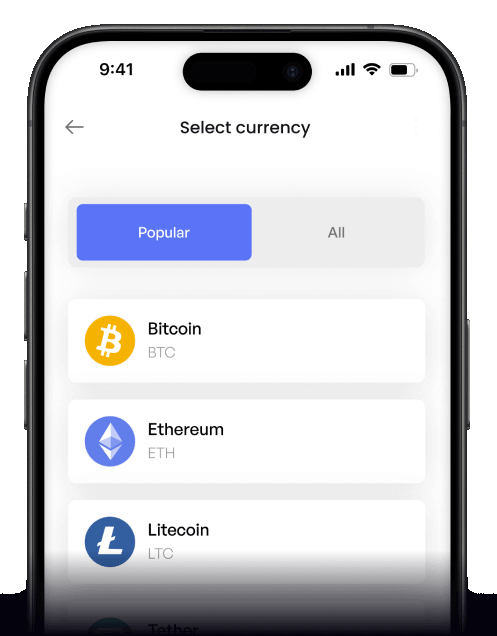
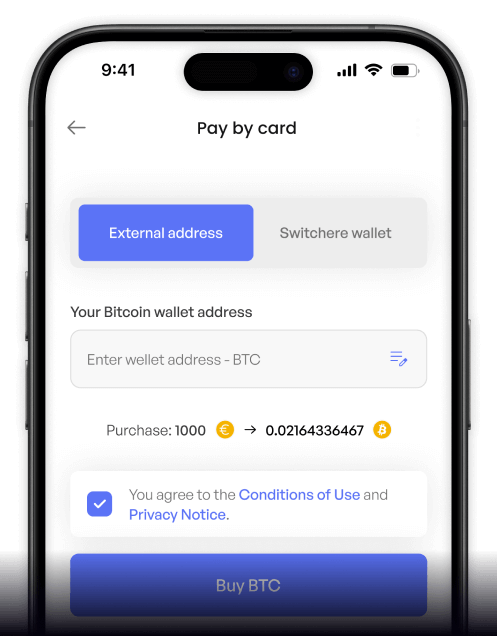
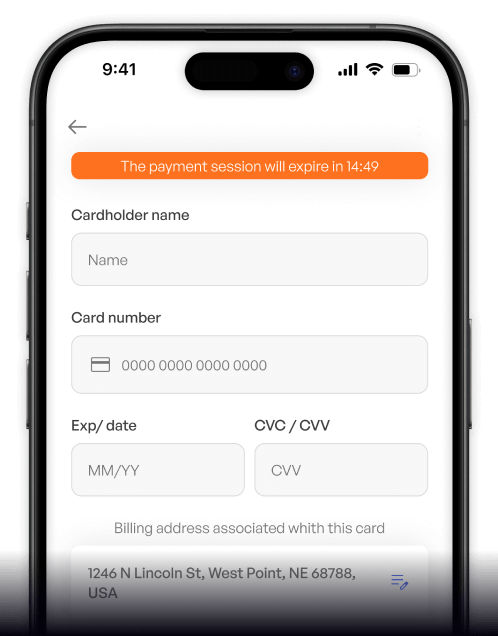
 Guía paso a paso
 Facilidad de pago con tarjeta de crédito
 Proceso de compra simplificado
 Web
Web
Monedas populares para Turkish lira (TRY)




Otras monedas para Turkish lira (TRY)




Preguntas más frecuentes
-
¿Cómo puedo comprar USDC nativo de Polygon usando liras turcas (TRY)?
Para comprar USDC nativo de Polygon con TRY, puede utilizar un intercambio de criptomonedas regulado que sirva como rampa de entrada de dinero fiduciario en Turquía. Después de completar los controles estándar de cumplimiento de KYC/AML, puede depositar liras turcas mediante transferencia bancaria nacional, como EFT o FAST. Una vez que se acrediten los TRY, navegue hasta el libro de órdenes TRY/USDC y ejecute una operación al contado. Asegúrese de que el intercambio admita retiros directamente a la cadena Polygon PoS para beneficiarse de una liquidación rápida y bajas tarifas de gas. -
¿Cuáles son las ventajas de mantener USDC en la red Polygon frente a la mainnet de Ethereum para los usuarios turcos?
Para los usuarios que utilizan una pasarela fiduciaria TRY, transferir e interactuar con USDC en la solución de escalado de Capa 2 de Polygon es significativamente más rentable que la red principal de Ethereum. La arquitectura compatible con EVM de Polygon permite transacciones de blockchain de alta velocidad con tarifas de gas insignificantes. Esto lo hace altamente eficiente para interacciones de finanzas descentralizadas (DeFi), microtransacciones y movimiento de activos digitales sin los altos costos de congestión de red asociados con la Capa 1. -
¿Existen métodos de pago recomendados específicos para transferir TRY y comprar USDC?
Sí, los métodos de pago más eficientes para depositar liras turcas son las transferencias bancarias locales a través del sistema FAST (Fonlarin Anlik ve Surekli Transferi) o EFT estándar. FAST permite depósitos fiduciarios instantáneos las 24 horas del día, los 7 días de la semana, en intercambios locales de criptomonedas. El uso de estos métodos de transferencia bancaria directa generalmente evita las tarifas de procesamiento más altas asociadas con las compras con tarjeta de crédito o débito, maximizando la cantidad de su depósito fiduciario TRY que se destina a adquirir la moneda estable. -
¿Cómo me aseguro de estar retirando USDC a la billetera digital de Polygon correcta?
Al iniciar un retiro del USDC comprado desde el intercambio, debe seleccionar explícitamente la opción de red Polygon o MATIC. Proporcione una dirección de billetera digital compatible con EVM que comience con '0x', como MetaMask o Trust Wallet configurada para la cadena Polygon PoS. Enviar USDC a través de la red equivocada, como ERC-20 en Ethereum, a una billetera no configurada para ello puede resultar en una pérdida permanente de su activo digital. -
¿Cuál es la diferencia entre el USDC puenteado (USDC.e) y el USDC nativo en Polygon al operar con TRY?
Al cambiar TRY por USDC, es importante comprender el tipo de contrato de activo en la blockchain. Circle, el emisor de USDC, ahora implementa USDC nativo directamente en la red Polygon, eliminando la necesidad de contratos inteligentes de puente. Las versiones anteriores, a menudo etiquetadas como USDC.e, se puentearon desde Ethereum. La mayoría de los principales intercambios han actualizado sus fondos de liquidez para admitir USDC nativo, ofreciendo mejor seguridad. Verifique siempre qué dirección de contrato admite su billetera digital o protocolo DeFi.

Compra desde cualquier lugar
En cualquier lugar. En cualquier momento.
Compra criptomonedas con tu tarjeta de crédito desde cualquier lugar. Tipos de cambio en tiempo real, comisiones transparentes y 3D Secure en cada pedido: toda la experiencia de compra con tarjeta de Switchere en tu bolsillo.



Escanea el código para descargar la aplicación para iOS y Android

