


 Web
Web








USDT без верифікації: Ваш путівник у світ анонімних та безпечних крипто-операцій
 Alexey Morozov
|
Alexey Morozov
|
вер. 18, 2026

Купуйте USDT (ERC20) за допомогою Turkish lira (TRY) легко на Switchere і отримуйте вигоду від швидких і безпечних транзакцій.
Tether (USDT) як токен ERC-20 - це ключовий цифровий актив, що працює на технології блокчейн Ethereum, розроблений для об'єднання традиційних фіатних валют з криптоекономікою, що стрімко розвивається. Його основна мета - забезпечити цінову стабільність, прагнучи до прив'язки до долара США у співвідношенні 1:1, підкріпленої резервами Tether. Ця версія USDT використовує надійні можливості смарт-контрактів мережі Ethereum та широку базу користувачів, що робить його надзвичайно ліквідним і доступним стейблкоіном для різноманітних операцій в мережі.
Стандарт ERC-20 забезпечує безперебійну взаємодію з безліччю децентралізованих додатків (dApps) і цифрових гаманців в екосистемі Ethereum, де за транзакції стягується плата за газ. USDT (ERC-20) використовується як домінуюча торгова пара на криптовалютних біржах, як тимчасовий притулок від волатильності ринку, а також як базовий компонент у різноманітних додатках DeFi, таких як протоколи кредитування, платформи для запозичень та пули ліквідності. Його токеноміка зосереджена на підтримці прив'язки та забезпеченні достатньої ліквідності в цифровому реєстрі.
Як провідний стейблкоїн за ринковою капіталізацією, USDT (ERC-20) відіграє важливу роль у вливанні ліквідності в ширший ринок цифрових активів. Він функціонує як наріжний камінь інфраструктури Web3, полегшуючи ефективну пірингову передачу вартості та пропонуючи надійний засіб обміну. Криптографічна безпека цього утилітарного токена ґрунтується на механізмі консенсусу, що лежить в основі Ethereum, зміцнюючи його позицію як широко використовуваного цифрового представництва долара в децентралізованій мережі.

 Покрокове керівництво
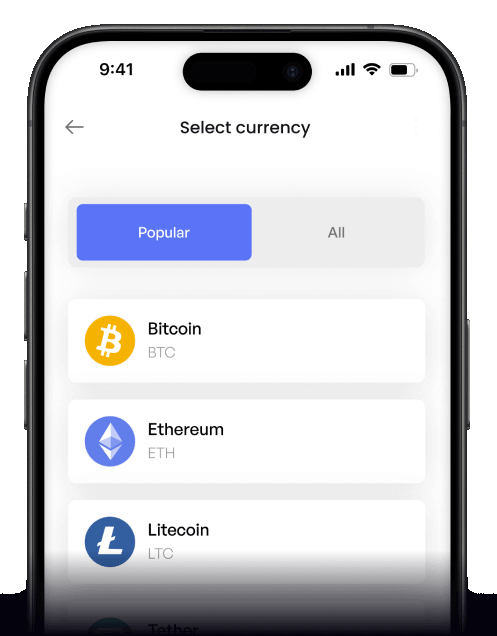
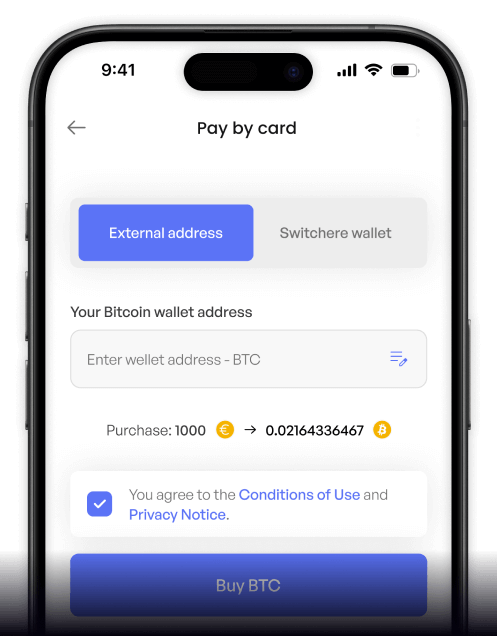
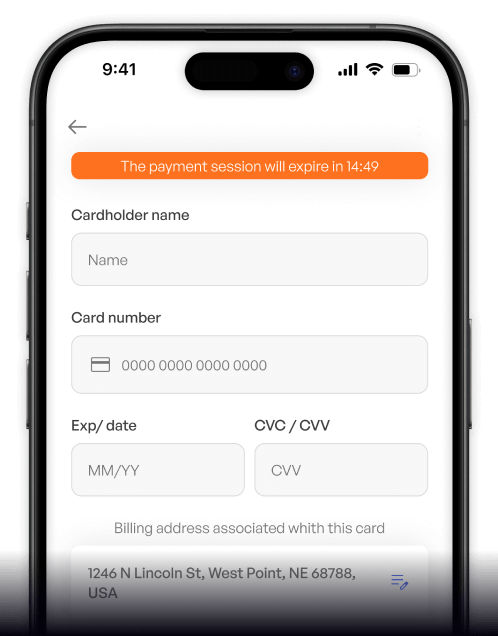
 Легкі платежі кредитною карткою
 Спрощений процес купівлі
Alexey Morozov
|
Спрощений процес купівлі
Alexey Morozov
|
Купуйте криптовалюту за допомогою кредитної картки з будь-якого місця. Актуальні курси, прозорі комісії та технологія 3D Secure для кожного замовлення — всі переваги сервісу Switchere для купівлі криптовалюти за допомогою картки у вашому мобільному.



Відскануйте, щоб завантажити додаток для iOS та Android

Наш сайт використовує файли cookie. Наша політика щодо файлів cookie
