

Convert
Turkish lira (TRY) to Ethereum (ETH) Instantly

Purchase Ethereum (ETH) with Turkish lira (TRY) easily at Switchere and benefit from fast, secure transactions.

TRY
TRY
Bank card
ETH
Ethereum (ETH)
Crypto
Buy Ethereum

About
Ethereum (ETH)

Ethereum is a blockchain platform designed to build decentralized applications (dApps) using smart contracts. Ether (ETH), its native cryptocurrency, is the second largest crypto by market cap. It’s used to pay for transaction fees (gas), run dApps, and execute smart contracts. Ether also plays a key role in decentralized finance (DeFi), staking, NFTs, and decentralized exchanges.

Ethereum (ETH)

Buy Other 150+ Cryptocurrencies for Turkish lira (TRY)

Other Coins for Turkish lira (TRY)

How to Buy Ethereum (ETH)

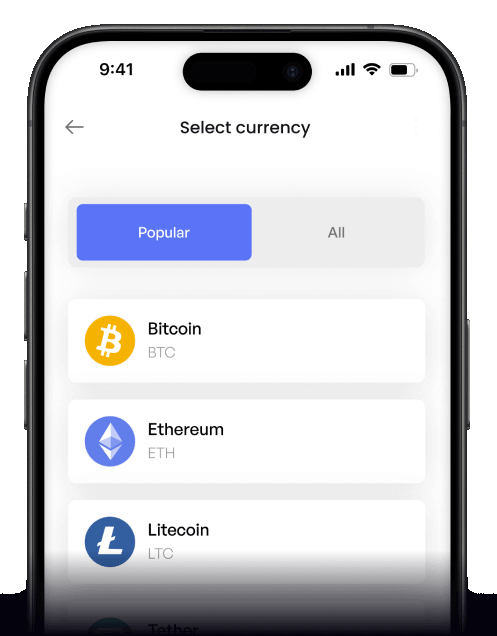
  1. Select currency menu

    Choose TRY to ETH Pair

    Select your preferred payment method and enter the amount.

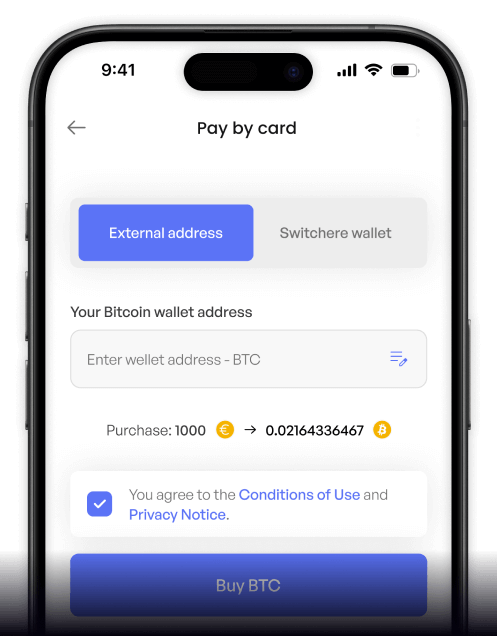
  2. Crypto address page

    Enter Your Ethereum Wallet Address

    Provide your ETH wallet address and proceed with the payment.

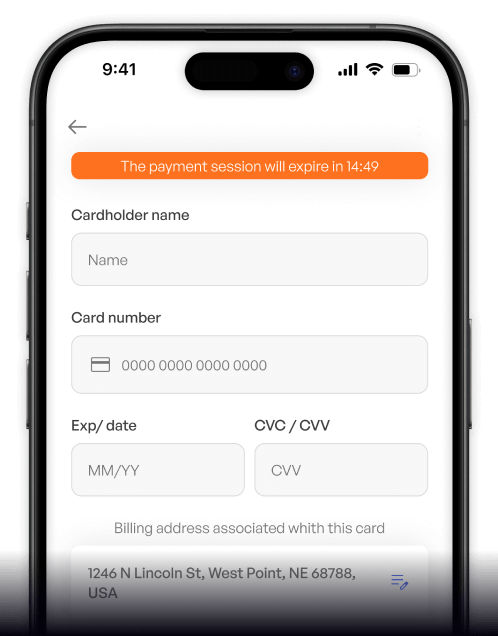
  3. Confirmation page

    Receive Your Ethereum

    Complete the payment, and your ETH will be sent to your wallet.

Frequently Asked Questions

  • What are the common methods for buying Ethereum (ETH) with Turkish Lira (TRY)?

    The most common method is using a local Turkish cryptocurrency exchange that offers a TRY/ETH trading pair. These platforms function as a fiat on-ramp, allowing users to deposit Turkish Lira via bank transfers (Havale/EFT). After completing KYC/AML verification, you can place an order on the exchange's order book to purchase the Ethereum digital asset and then withdraw it to your personal digital wallet.

  • Why is the TRY/ETH pair a key gateway to decentralized applications (dApps)?

    The TRY/ETH pair provides a direct fiat gateway for Turkish Lira holders to acquire ETH, the native asset of the Ethereum blockchain. ETH is essential for interacting with the vast ecosystem of dApps, DeFi protocols, and NFT marketplaces built on this leading smart contract platform. Acquiring ETH is the first step to paying gas fees, participating in staking, and utilizing services that depend on the ERC-20 token standard.

  • What are the security best practices when converting TRY to ETH?

    Always use a reputable and regulated cryptocurrency exchange that has strong KYC/AML compliance. Enable two-factor authentication (2FA) on your exchange account. After purchasing your ETH, for long-term secure storage, it is highly recommended to withdraw the digital asset from the exchange to a non-custodial digital wallet (like a hardware wallet) where you control the private keys.

  • How do Ethereum's gas fees (Gwei) impact a TRY to ETH transaction?

    When you buy ETH with TRY on an exchange, you pay a trading fee, typically a percentage of the transaction value. The Ethereum gas fees, measured in Gwei, are separate and only apply when you move your ETH off the exchange to a private wallet. This on-chain blockchain transaction requires a network fee to be processed by the Ethereum Virtual Machine (EVM), which is unrelated to the initial fiat purchase.

  • What are typical processing times for TRY deposits via Havale/EFT on crypto exchanges?

    Processing times for Turkish Lira deposits depend on the method. 'Havale' (transfer between accounts at the same bank) is often processed nearly instantly, 24/7. 'EFT' (transfer between different banks) is subject to Turkish banking hours, typically on weekdays. An EFT transfer made outside of these hours will only be credited to your exchange account on the next business day, which can delay your digital asset purchase.

  • Are there liquidity considerations for large volume TRY/ETH trades?

    Yes, for large volume trades, liquidity is a key factor. Major Turkish exchanges generally have deep order books and high trading volume for the TRY/ETH pair, minimizing slippage. However, for exceptionally large transactions, consider using an OTC (Over-the-Counter) desk provided by the exchange. This allows for executing a large block trade at a fixed price without impacting the public order book and causing price volatility.

Our website uses cookies. Our Cookie Policy