


Convert
Turkish lira (TRY) to USDC (BSCOLD) Instantly


Purchase USDC (BSCOLD) with Turkish lira (TRY) easily at Switchere and benefit from fast, secure transactions.
About
USDC (BSCOLD)
USD Coin (USDC) as a BEP20 token is a premier fiat-collateralized stablecoin operating natively on the BNB Smart Chain (BSC). Issued by the Centre consortium, each USDC is backed by one U.S. dollar, held in reserves of cash and short-term U.S. Treasury bonds, ensuring a stable 1:1 peg. This digital asset is fundamental to the BSC ecosystem, providing a reliable medium of exchange and a safe-haven store of value that shields users from market volatility. By tokenizing the dollar, USDC (BEP20) bridges traditional finance with the world of decentralized finance (DeFi), facilitating seamless and stable on-chain transactions across the network. Its primary role is to provide liquidity and a consistent unit of account for the burgeoning Web3 landscape.
Built on the BEP20 token standard, this version of USDC boasts full interoperability with the vast array of dApps, wallets, and smart contracts within the BNB Smart Chain. This compatibility allows it to be a cornerstone for DeFi applications, including decentralized exchanges (DEXs), lending protocols, and complex yield farming strategies. Users benefit from the core advantages of the BSC network, such as low transaction fees and fast block confirmation times, making it highly efficient for frequent peer-to-peer payments and interacting with DeFi. As a critical piece of financial infrastructure, USDC (BEP20) enhances the capital efficiency and accessibility of the entire decentralized network, cementing its status as a vital digital ledger asset.

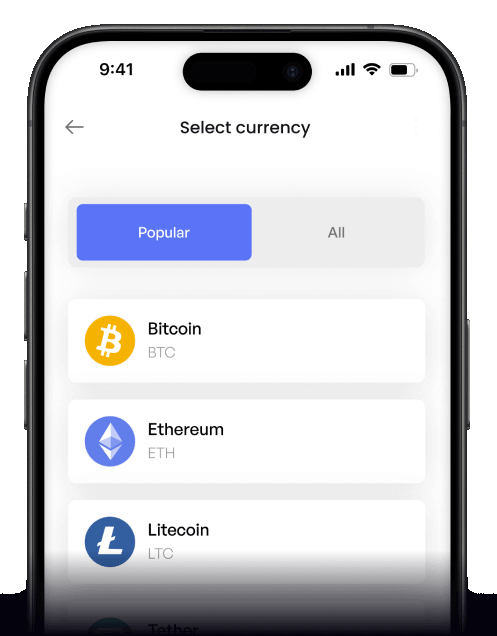
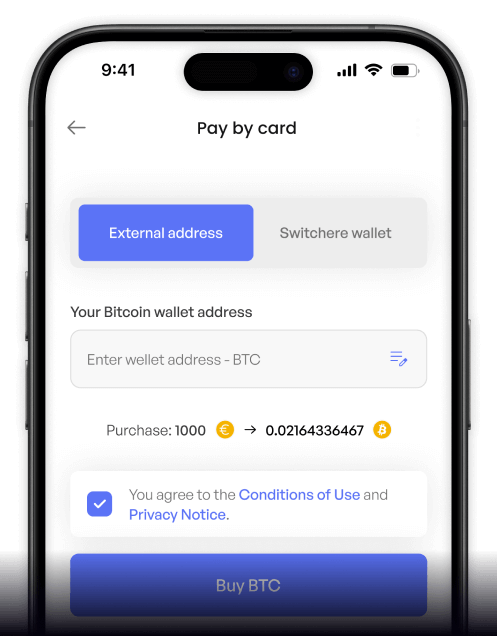
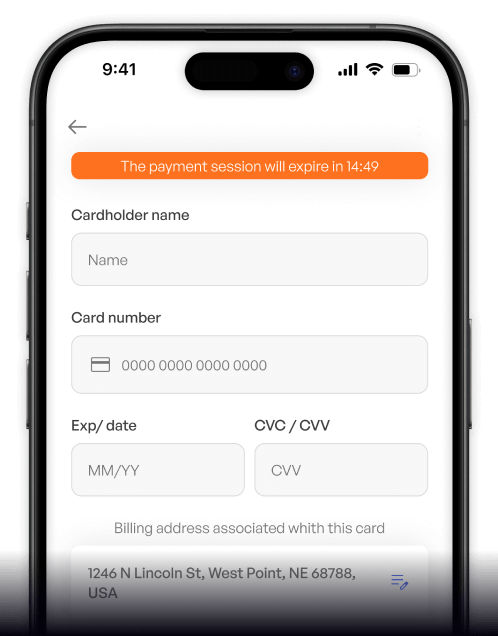
How to Buy USDC (BSCOLD)
 Step-by-step guidance
 Easy credit card payments
 Streamlined purchase process
 Web
Web
Popular Coins for Turkish lira (TRY)




Other Coins for Turkish lira (TRY)





Frequently asked questions
-
How can I buy USDC (BEP20) using TRY directly via a fiat gateway?
To purchase USDC on the Binance Smart Chain (BEP-20 token standard) with Turkish Lira (TRY), you can use regulated cryptocurrency exchanges operating in Turkey. These platforms act as a fiat on-ramp, allowing you to deposit TRY via local bank transfers (Havale/EFT). Once your fiat wallet is funded, you can execute a spot market order on the TRY/USDC trading pair. -
What are the advantages of withdrawing USDC via the BEP20 network instead of ERC20?
When withdrawing USDC purchased with TRY, selecting the BEP20 (Binance Smart Chain) network over the Ethereum network (ERC-20) significantly reduces transaction costs (gas fees). The BSC network utilizes a Proof of Staked Authority (PoSA) consensus mechanism, which ensures fast block times and high throughput, making it ideal for low-cost stablecoin transfers to your digital wallet. -
What KYC/AML requirements are necessary to trade the TRY/USDC pair?
To access TRY fiat gateways and trade the TRY/USDC pair, you must complete Know Your Customer (KYC) and Anti-Money Laundering (AML) compliance procedures. This typically involves verifying your identity with a Turkish ID card and proof of address. Regulated exchanges mandate this to ensure secure trading and compliance with local financial regulations before enabling TRY deposits. -
Why should I convert TRY to USDC (BEP20) for DeFi applications?
Converting TRY to USDC (BEP20) provides direct access to the Binance Smart Chain decentralized finance (DeFi) ecosystem. As a dollar-pegged stablecoin fully backed by Circle, USDC offers price stability. You can deploy these BEP-20 tokens into various smart contract platforms on BSC for yield farming, liquidity provision in automated market makers (AMMs), or collateralized lending. -
How long does it take for a TRY bank transfer to clear so I can buy USDC?
Using local Turkish payment methods like Havale or FAST (Fonların Anlık ve Sürekli Transferi), TRY deposits to a cryptocurrency exchange are usually credited instantly 24/7. Standard EFT transfers made during banking hours also process rapidly. This deep local integration provides high liquidity and allows you to quickly capitalize on market conditions by executing your TRY/USDC digital asset purchase.

Buy on the go
Anywhere. Anytime.
Buy crypto with your credit card from anywhere. Live rates, transparent fees, and 3D Secure on every order - the full Switchere card-buy experience in your pocket.



Scan to download the app iOS and Android

