


- Casa
- Convertitore
- Turkish lira (TRY) per Standard (STND)

Convertire
Turkish lira (TRY) in Standard (STND) istantaneamente


Acquistate facilmente Standard (STND) con Turkish lira (TRY) su Switchere e beneficiate di transazioni rapide e sicure.
Circa
Standard (STND)
Standard Protocol (STND) è un protocollo di finanza decentralizzata (DeFi) costruito sulla tecnologia blockchain, progettato per stabilire un nuovo paradigma per le stablecoin collateralizzate. Il suo obiettivo primario è creare un ecosistema altamente stabile ed efficiente dal punto di vista del capitale, in cui gli utenti possano sfruttare una vasta gamma di asset tokenizzati. Il protocollo risponde alla necessità di un modello di emissione di stablecoin più flessibile, consentendo varie forme di collaterale on-chain, colmando il divario tra gli asset digitali tradizionali e i potenziali futuri asset del mondo reale all'interno dell'infrastruttura Web3.
Il nucleo del protocollo opera attraverso un sistema di vault multi-collaterale, governati da contratti intelligenti. Gli utenti possono depositare asset digitali accettati, come criptovalute o token LP, in questi vault per coniare le stablecoin native del protocollo, come l'S-Euro. Questo processo si basa su un robusto meccanismo di sovracollateralizzazione per garantire il peg della stablecoin e la sicurezza complessiva della rete decentralizzata. Questa architettura fornisce una piattaforma senza permessi per prestiti e mutui, con un sistema di liquidazione automatizzato per mantenere la solvibilità del protocollo e gestire il rischio sul suo registro digitale.
Il token STND è il token di utilità e governance nativo dello Standard Protocol. Come token di governance, STND consente ai detentori di partecipare al processo decisionale on-chain, votando su parametri chiave come i tipi di collaterale, le commissioni di stabilità e gli aggiornamenti del sistema. Inoltre, la tokenomics è progettata per lo staking, dove gli utenti possono bloccare i loro STND per ricevere una parte delle commissioni del protocollo, allineando gli incentivi dei detentori con la salute e la crescita a lungo termine dell'applicazione DeFi. Questa duplice funzione rende STND parte integrante sia del funzionamento che della direzione strategica della piattaforma.

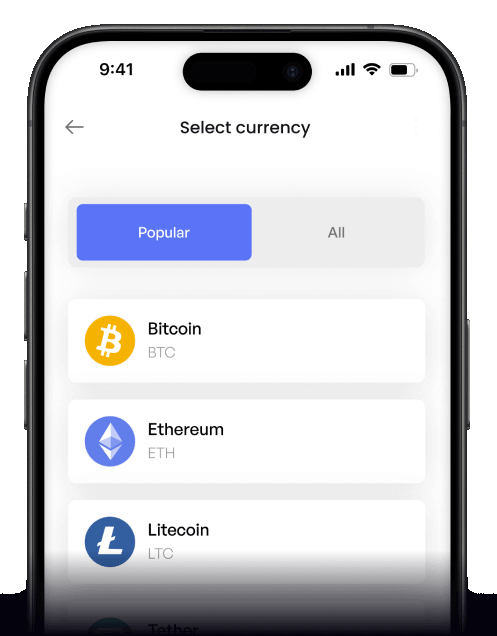
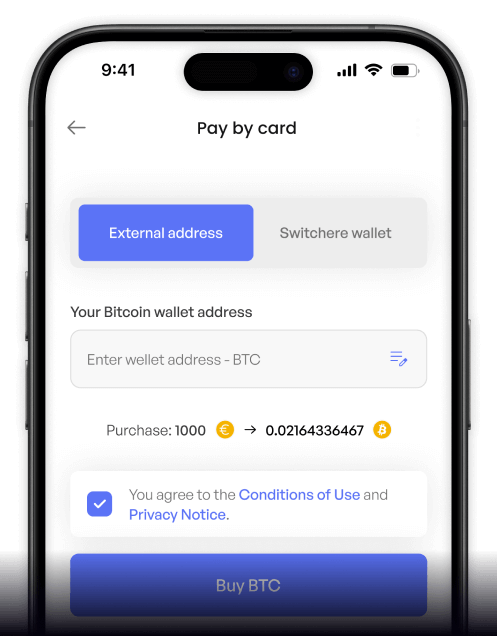
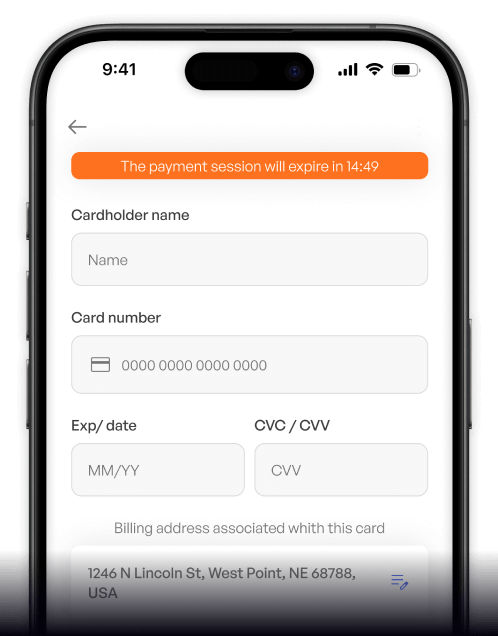
Come acquistare gli Standard (STND)
 Guida passo passo
 Pagamenti facili con carta di credito
 Processo di acquisto semplificato
 Web
Web
Monete popolari per Turkish lira (TRY)




Altre monete per Turkish lira (TRY)









Domande frequenti
-
Quali sono i metodi principali per acquistare Standard Protocol (STND) con la Lira Turca (TRY)?
Le coppie di trading dirette TRY/STND non sono comuni. Il metodo tipico è un processo in due fasi: primo, utilizzare un exchange di criptovalute regolamentato in Turchia per acquistare un asset digitale principale come USDT o BTC tramite un bonifico bancario in TRY. Secondo, trasferire tale asset su un exchange globale che elenca STND ed eseguire lo scambio. Questo processo funge da rampa di accesso fiat all'ecosistema di Standard Protocol, incentrato su stablecoin ribasabili collateralizzate. -
Qual è la funzione principale del token STND all'interno dello Standard Protocol?
STND è il token di governance e di utilità nativo dello Standard Protocol. Le sue funzioni principali includono: partecipare alla governance votando sugli aggiornamenti del protocollo e sulle modifiche dei parametri, mettere in staking per proteggere la rete e guadagnare ricompense, ed essere utilizzato come token per le commissioni per le transazioni all'interno del suo ecosistema, costruito sul framework Substrate per la compatibilità con Polkadot. -
Quali sono le commissioni di transazione tipiche e i requisiti KYC quando si utilizza la TRY per acquisti di criptovalute?
Quando si acquistano criptovalute con la Lira Turca (TRY), si incontrano commissioni di deposito per i bonifici bancari, commissioni di trading sull'exchange (spesso una percentuale del valore della transazione) e commissioni di prelievo per spostare i propri asset. Tutti gli exchange turchi regolamentati applicano la conformità obbligatoria KYC/AML (Know Your Customer/Anti-Money Laundering), richiedendo agli utenti di verificare la propria identità con documenti ufficiali prima di poter depositare valuta fiat o fare trading. -
Come posso conservare in modo sicuro i miei token STND dopo averli acquistati?
Per la massima sicurezza, si consiglia di spostare i propri token STND dall'exchange a un portafoglio digitale personale di cui si controllano le chiavi private. Poiché Standard Protocol è costruito su Substrate, è necessario utilizzare un portafoglio compatibile con Substrate come Polkadot.js o un portafoglio hardware che supporti gli asset dell'ecosistema Polkadot. Questa pratica di auto-custodia protegge i tuoi asset digitali dai rischi legati agli exchange. -
Standard Protocol supporta la generazione di asset sintetici e come si collega STND a questo processo?
Sì, una caratteristica chiave di Standard Protocol è il suo sistema di vault multi-collaterale che consente agli utenti di coniare asset sintetici, inclusa la sua stablecoin, Meter (MTR). Il token STND è parte integrante di questo processo; viene utilizzato per la governance per votare su quali tipi di collaterale sono accettati e per gestire parametri di rischio come i rapporti di collateralizzazione per l'intero sistema di asset sintetici.

Acquista ovunque ti trovi
Ovunque. In qualsiasi momento.
Acquista criptovalute con la tua carta di credito ovunque ti trovi. Tassi in tempo reale, commissioni trasparenti e 3D Secure su ogni ordine: tutta l'esperienza di acquisto con carta di Switchere a portata di mano.



Scansiona il codice per scaricare l'app per iOS e Android

