Convert
Georgian Lari (GEL) to TUSD (TRC20) Instantly
Purchase TUSD (TRC20) with Georgian Lari (GEL) easily at Switchere and benefit from fast, secure transactions.
About
TUSD (TRC20)
TrueUSD (TUSD) is a prominent fiat-collateralized stablecoin engineered to maintain a verifiable 1:1 peg with the US Dollar. Its primary objective is to function as a transparent and reliable digital asset, bridging the gap between traditional fiat currencies and the decentralized finance ecosystem. The TUSD (TRC20) variant is a specific token standard that operates natively on the TRON blockchain. This leverages the TRON network's high throughput and low transaction fees, offering users a highly efficient and cost-effective means for peer-to-peer payments and on-chain activities. It provides the stability of the dollar with the performance of a modern blockchain technology infrastructure.
The key differentiator for TUSD is its robust framework for trust and transparency. The stablecoin is fully backed by US Dollar reserves held in independently audited financial institutions. Through a partnership with an accounting firm, it provides near real-time on-chain attestations of its reserves, offering cryptographic proof of collateralization. The TUSD token's main utility within the TRON ecosystem is to serve as a stable medium of exchange, a unit of account in DeFi applications, and a hedge against market volatility. As a TRC20 asset, it is integral for liquidity pools, lending protocols, and other Web3 applications, cementing its role as a foundational stable value asset.
How to Buy TUSD (TRC20)
Popular Coins for Georgian Lari (GEL)
Other Coins for Georgian Lari (GEL)
Frequently asked questions
-
What is the GEL/TUSD (TRC20) pair and what is its primary function?
The GEL/TUSD (TRC20) pair represents a direct fiat-to-crypto gateway, allowing users to purchase TrueUSD (TUSD), a US dollar-pegged stablecoin, using Georgian Lari (GEL). Its primary function is to provide a seamless on-ramp for Georgian users into the digital asset ecosystem, specifically on the TRON blockchain. Using the TRC20 token standard for TUSD ensures low transaction fees and high throughput for subsequent transfers. -
What are the common methods to buy TUSD (TRC20) with Georgian Lari?
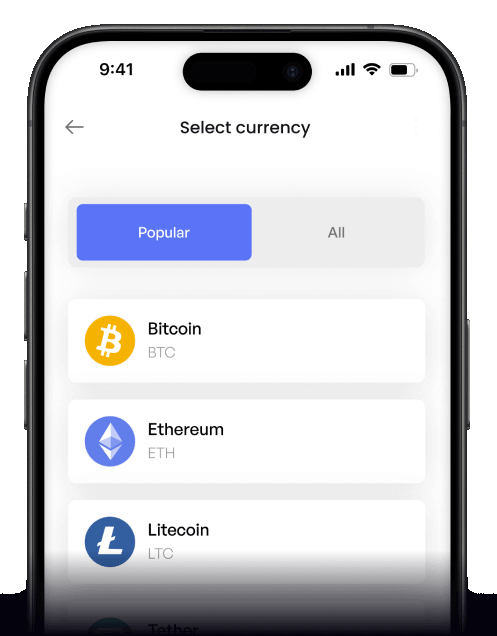
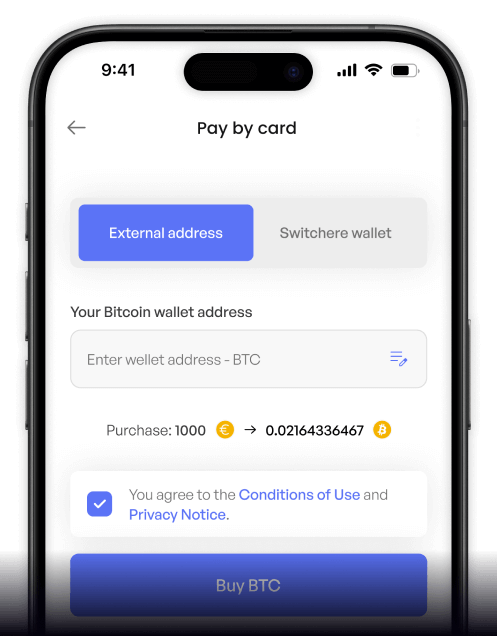
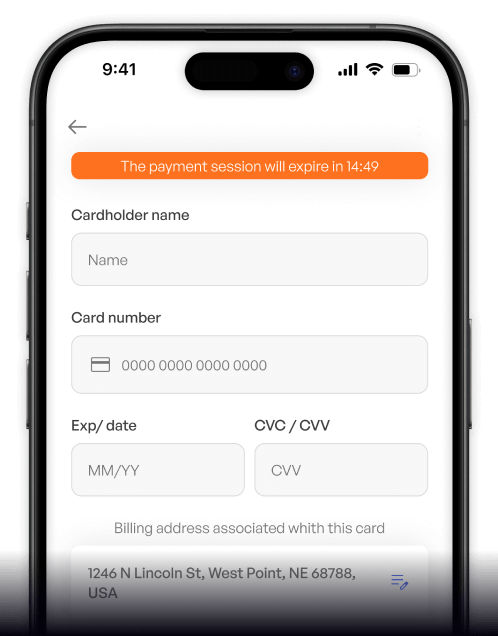
Typically, you would use a regulated cryptocurrency exchange that supports GEL deposits. The process involves creating an account, completing KYC/AML verification, depositing GEL via a local Georgian bank transfer or supported payment card, and then executing a trade on the GEL/TUSD order book. Once purchased, the TUSD (TRC20) can be withdrawn to a personal digital wallet compatible with the TRON network. -
What are the benefits of using TUSD on the TRON (TRC20) network?
The primary benefits of using the TRC20 standard for TUSD are speed and cost-efficiency. The TRON network is designed for high throughput, meaning blockchain transactions are confirmed much faster and with significantly lower fees compared to other networks like Ethereum (ERC20). This makes TRC20 TUSD ideal for frequent payments, trading on decentralized exchanges (DEXs), or interacting with dApps within the TRON ecosystem. -
Is KYC/AML compliance required to convert GEL into TUSD?
Yes, absolutely. Any reputable financial institution or cryptocurrency exchange that provides a fiat on-ramp for Georgian Lari (GEL) is legally obligated to adhere to Know Your Customer (KYC) and Anti-Money Laundering (AML) regulations. Users must complete an identity verification process, typically involving a government-issued ID and proof of address, before they can deposit GEL and trade it for digital assets like TUSD. -
What types of fees are associated with trading the GEL to TUSD pair?
Several fees can be involved. First, your bank may charge a fee for the GEL deposit to the exchange. Second, the cryptocurrency exchange will have a trading fee, often a small percentage of the transaction value (differentiated as maker/taker fees). Finally, when you withdraw your TUSD (TRC20) to an external digital wallet, there will be a blockchain network fee, which on the TRON network is typically very low.